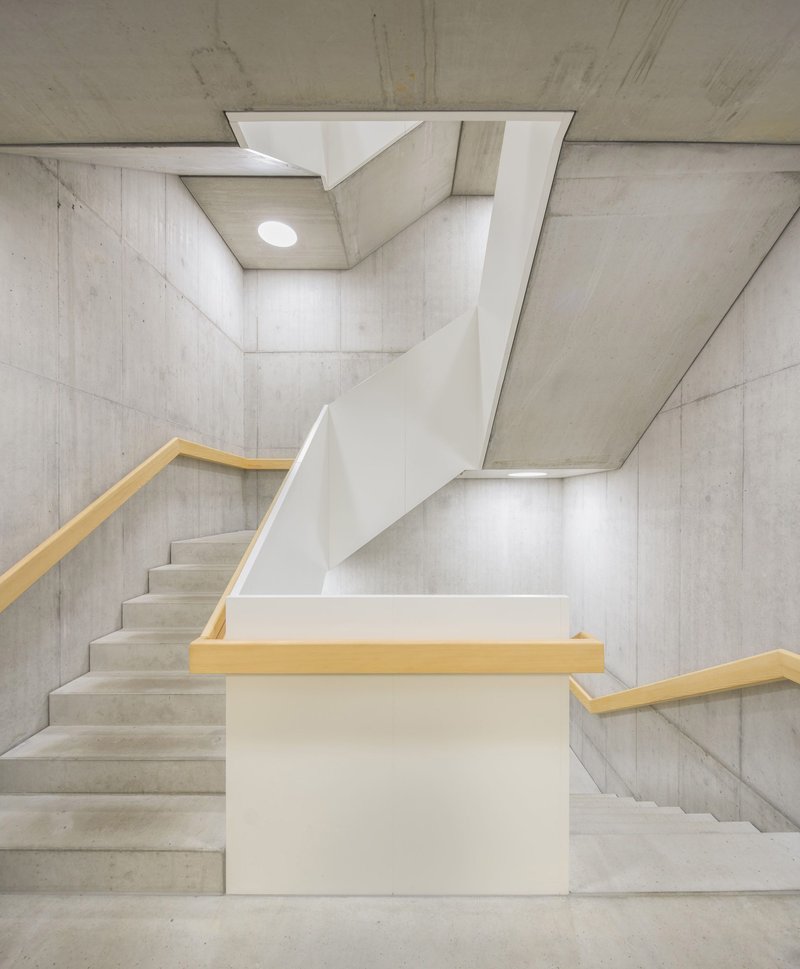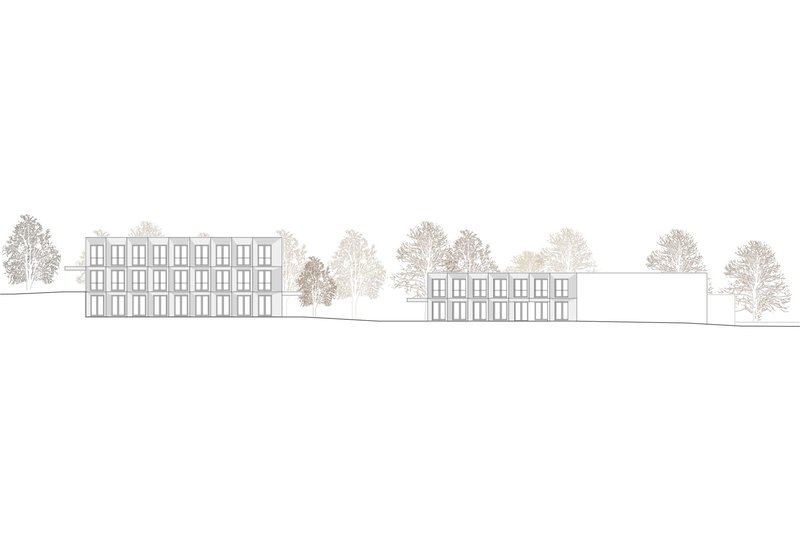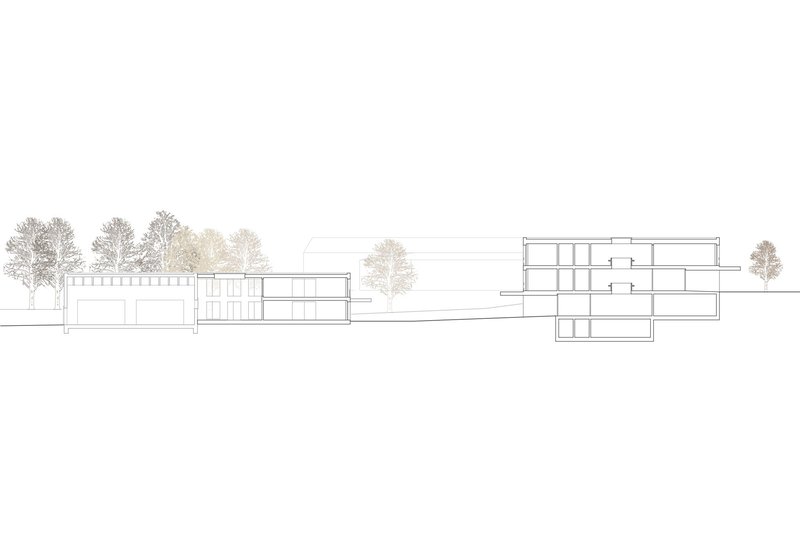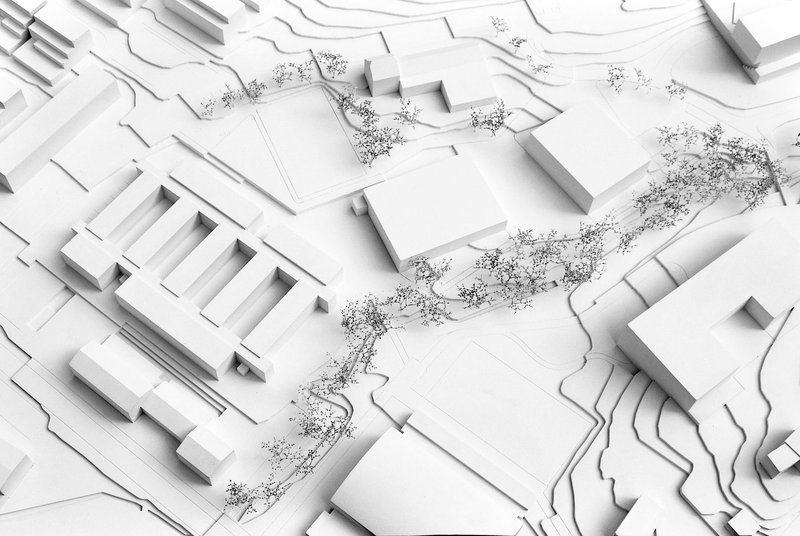
In the heart of the Grentschel valley, where the landscape unfolds like a painter's dream, the Grentschel School Extension emerges as a poetic dialogue between architecture and nature. At first glance, the buildings appear as if scattered whimsically across the valley floor, yet upon closer inspection, one discerns the subtle orchestration at play, guided by the quiet, meandering Grentschel stream.
This stream, a seemingly modest presence, assumes a profound role as the silent conductor of the architectural ensemble. Each building aligns itself with the stream's gentle course, creating a choreography of structures that seem to sway with the water's flow. The project's design philosophy embraces this natural logic, resulting in a serene ensemble where outdoor spaces breathe with fluidity and grace.
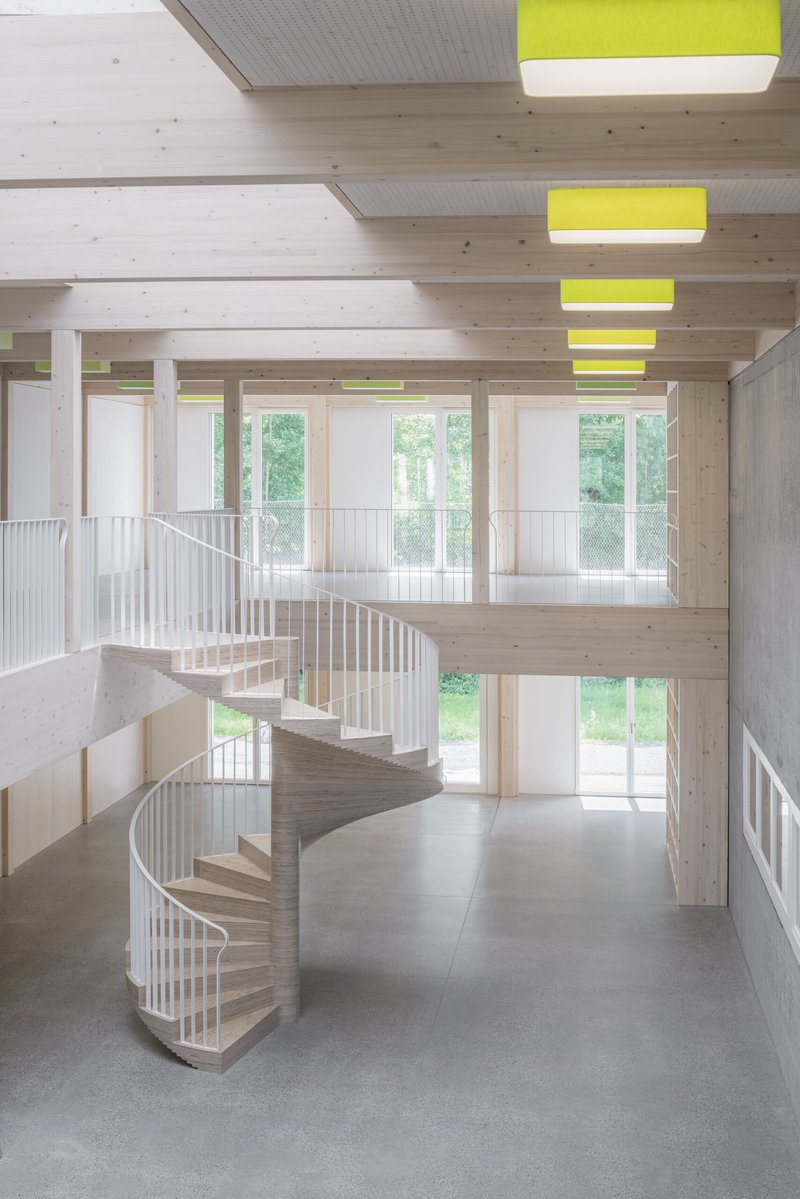
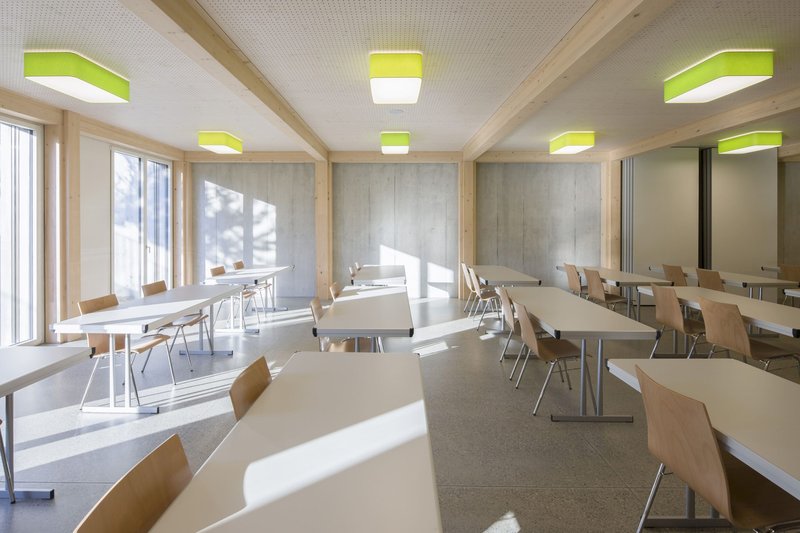
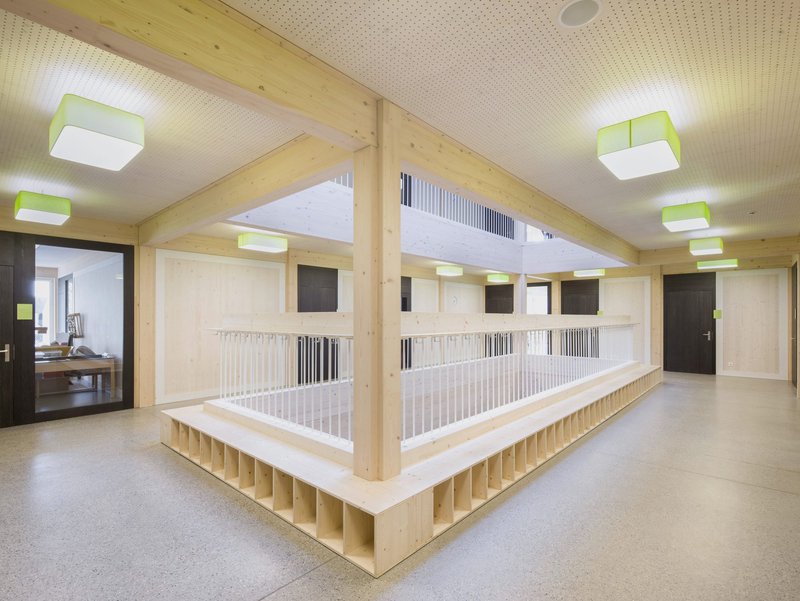
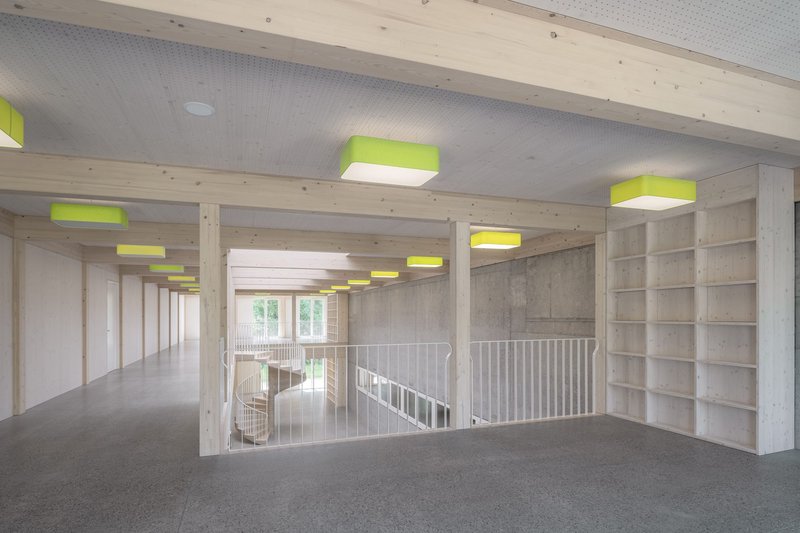
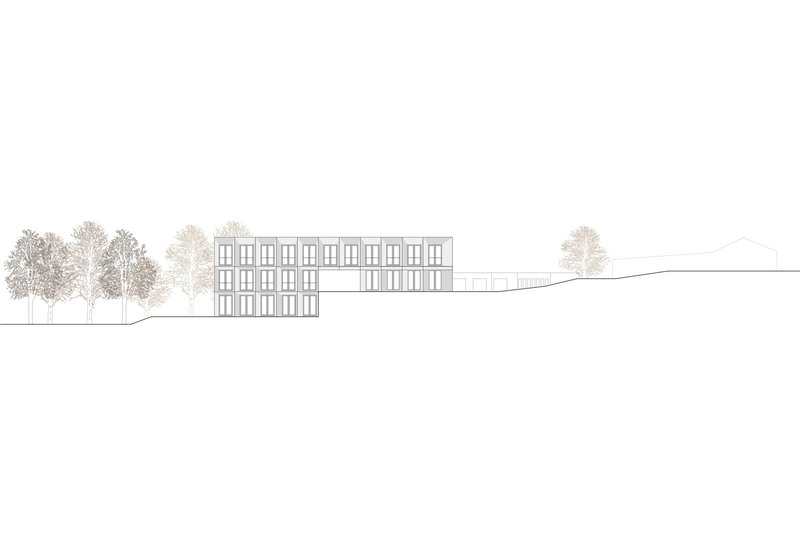
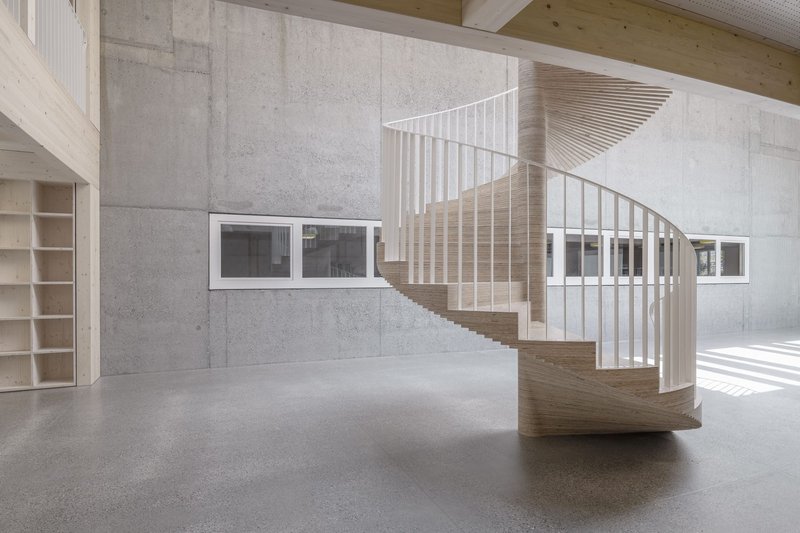
Divided into two distinct yet harmonious edifices, the new rooms of the extension serve the educational community with elegance and practicality. At the campus's core, a two-story edifice stands as a communal nexus, housing an assembly hall, a library, and a day school. This central hub is a testament to the collective spirit, where light dances through expansive windows, weaving a tapestry of connection and collaboration.
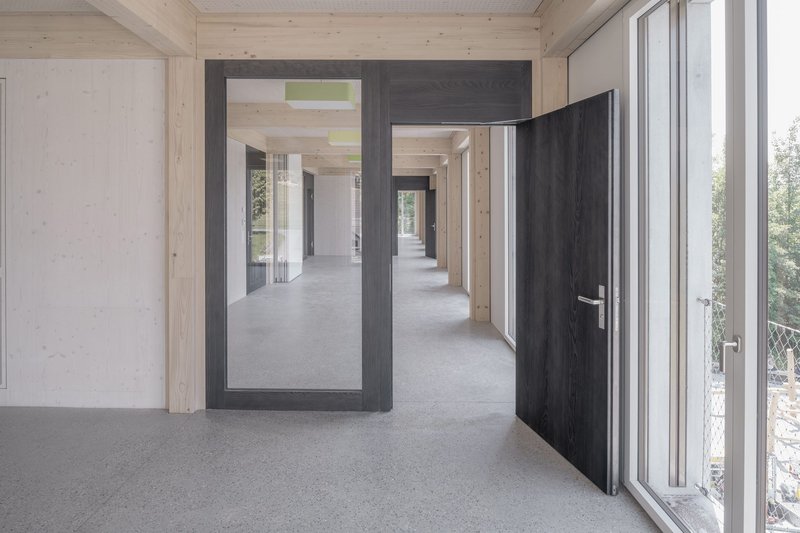
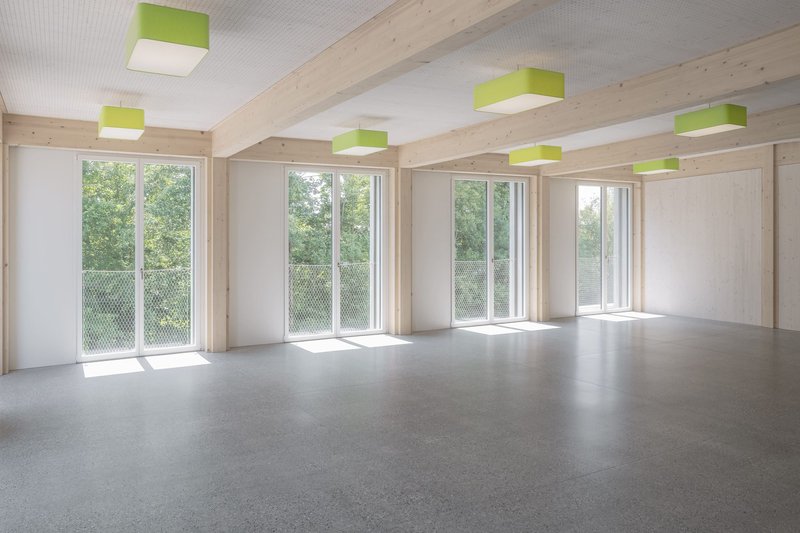
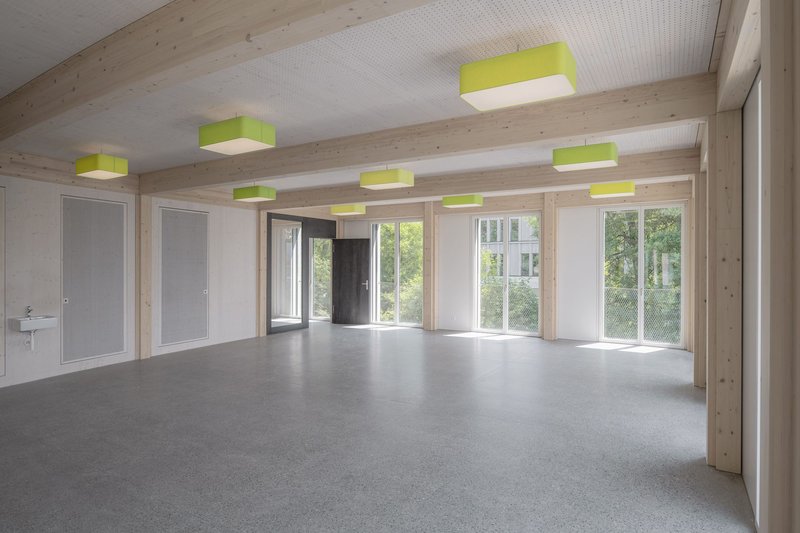
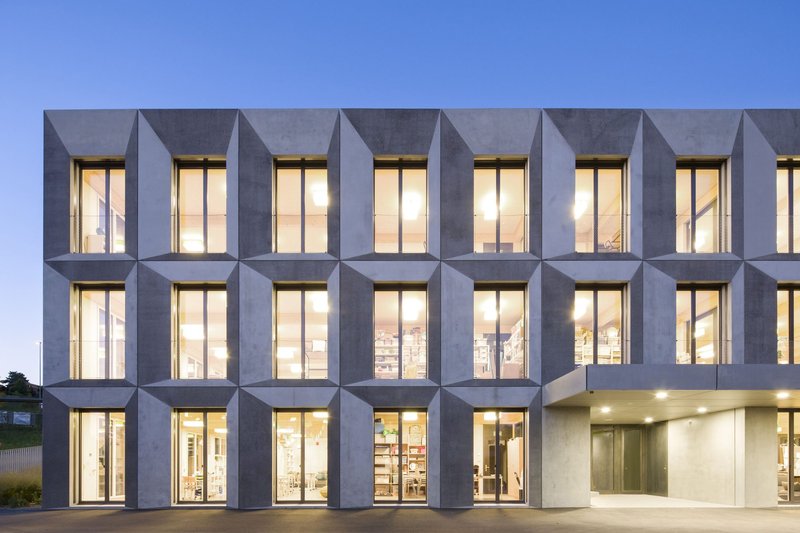
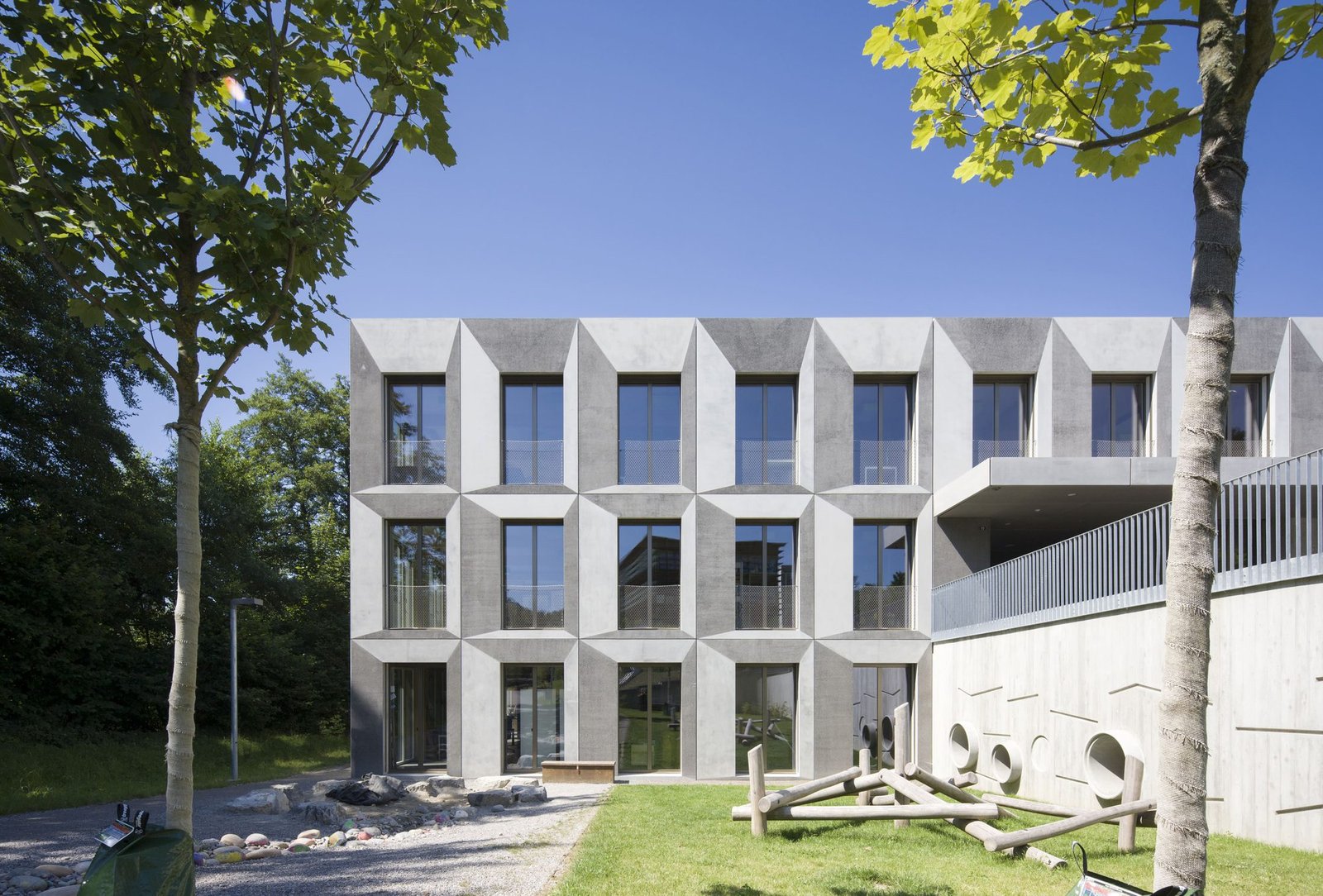
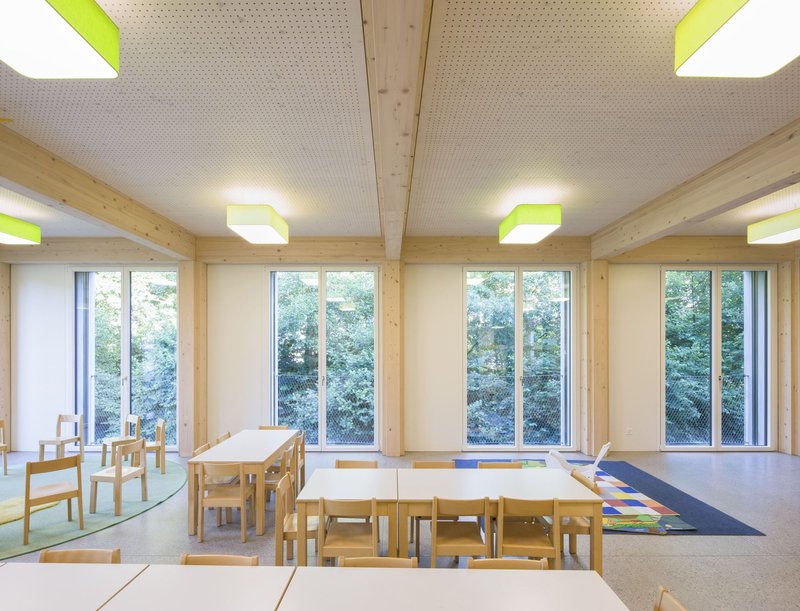
To the east, the new school building rises with quiet dignity, a three-story structure dedicated to classrooms. Here, the architecture anticipates the evolving nature of education. The design allows for flexibility, enabling the transformation of spaces to suit changing pedagogical needs. Each room, whether within the remedial school, primary school, or kindergarten, shares equal dimensions and proportions. This democratic distribution of space is further enhanced by floor-to-ceiling windows on two sides, inviting the verdant landscape to participate in the educational journey.
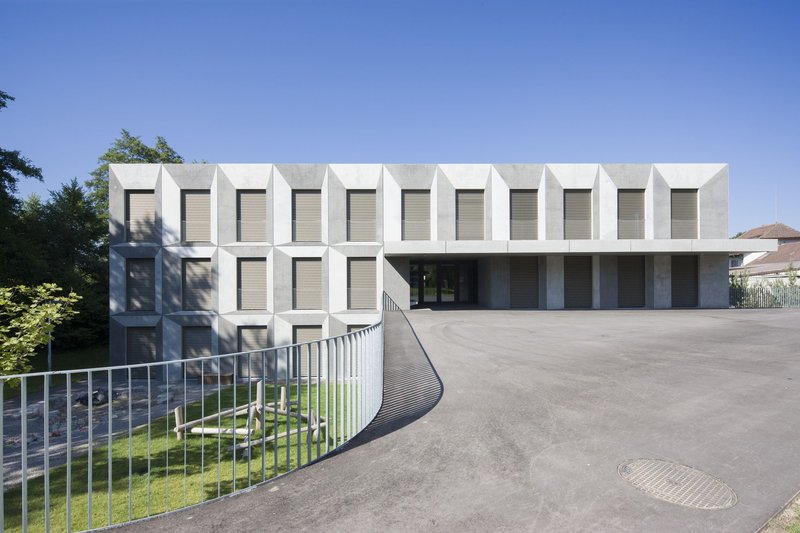
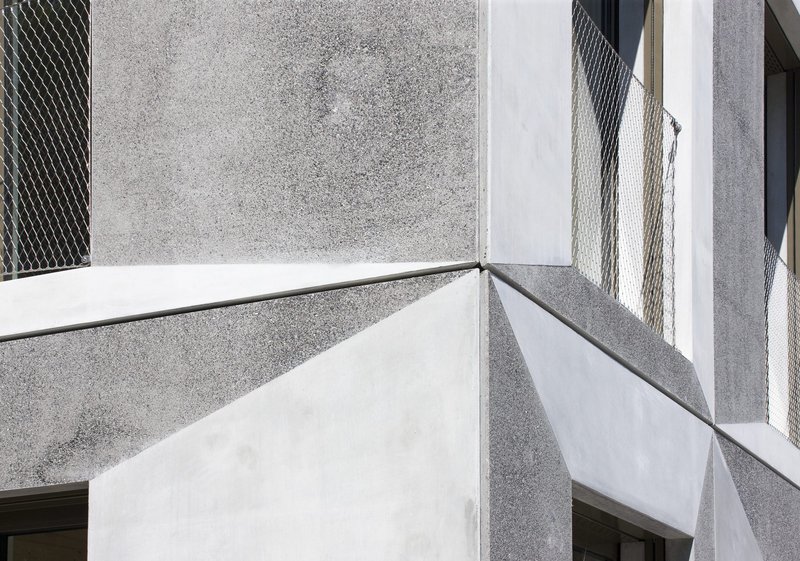
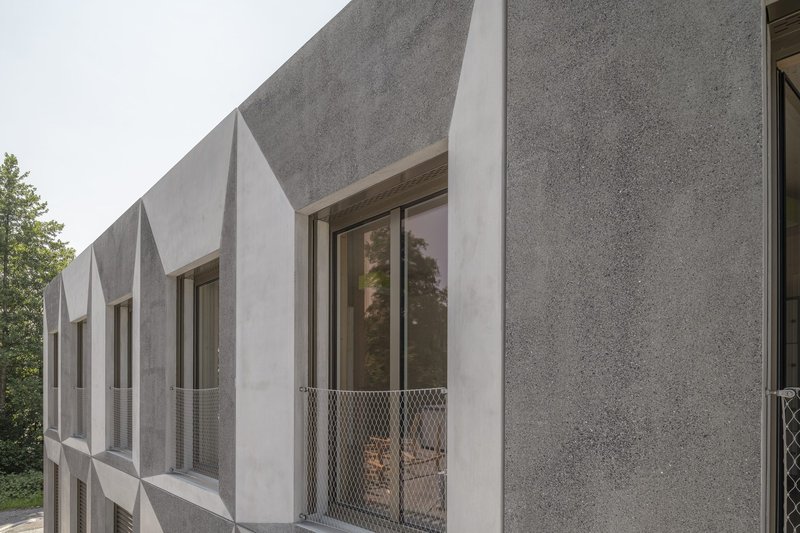
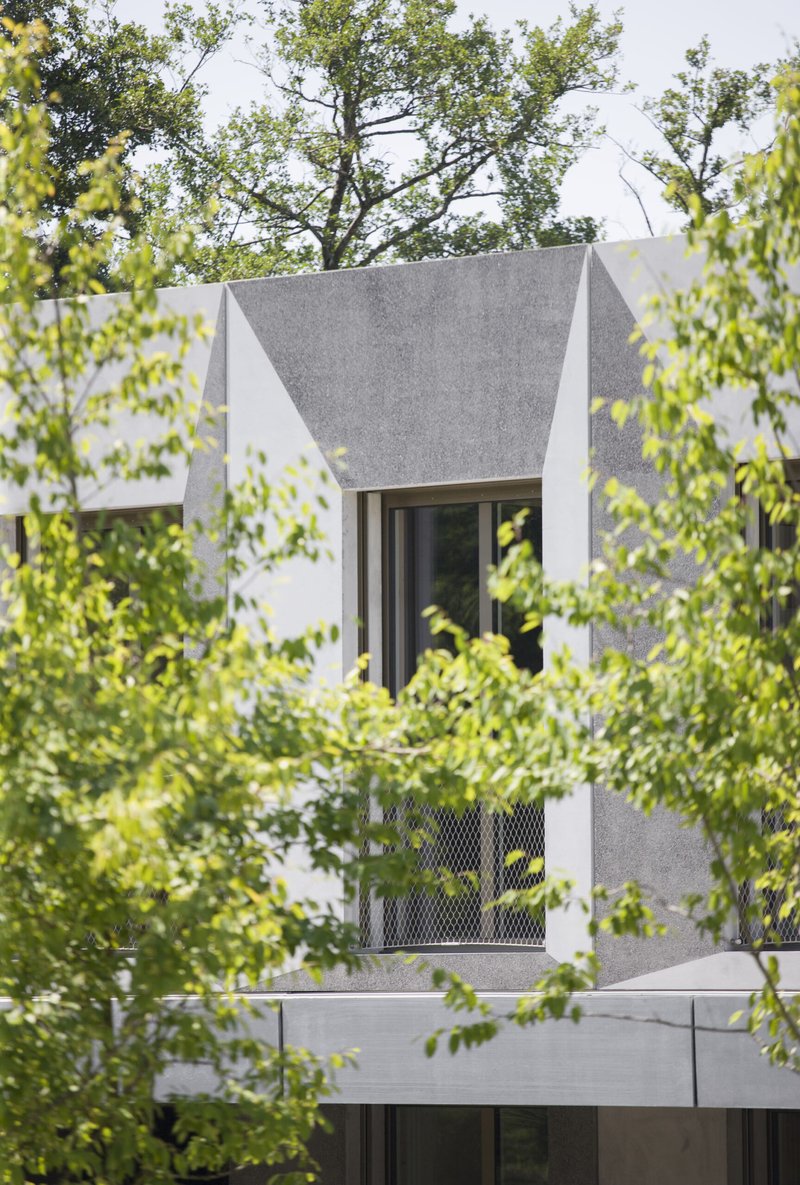
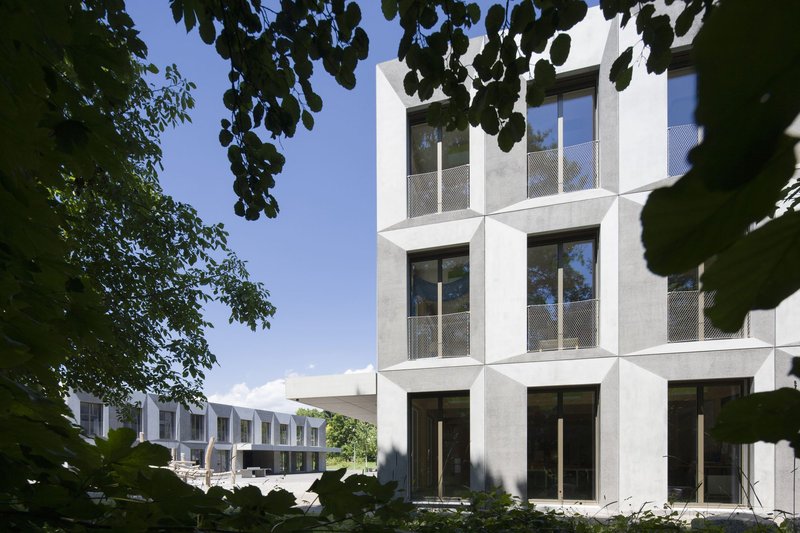
The façade of this architectural narrative is a study in subtlety and sophistication. Its rational geometry, characterized by a rectilinear form and repetitive rhythm, is enlivened by a delicate interplay of textures. Smooth surfaces converse with sandblasted ones, creating a visual dialogue that is both playful and profound. This trompe l'oeil effect suggests a depth that defies its physical presence, imbuing the buildings with a lightness that dances in contrast to the surrounding wild, romantic landscape.
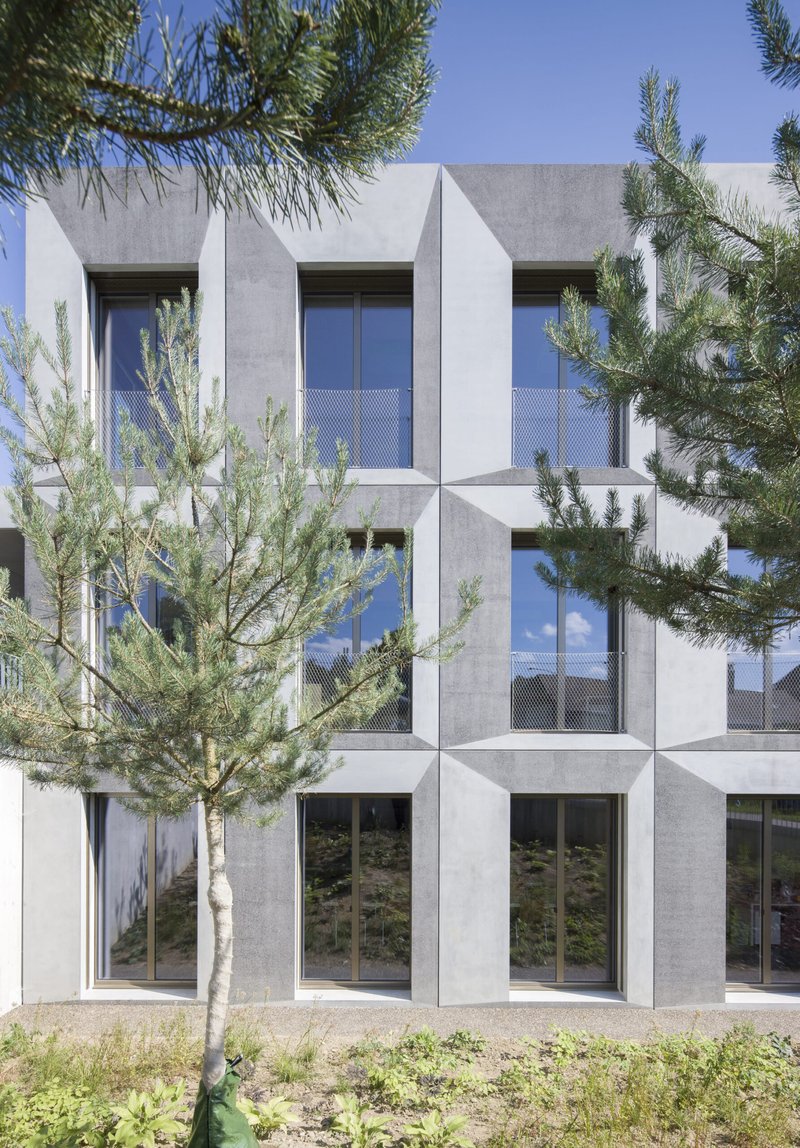
In this architectural ballet, light becomes a protagonist, casting shadows that shift with the sun's passage, painting the interiors with hues of the natural world. The Grentschel School Extension is not merely a collection of buildings; it is an experience, a journey through space and time, where architecture and nature engage in an eternal embrace.
With the Grentschel School Extension, the architects at ahaa have crafted more than structures; they have composed a symphony of space, a testament to the harmonious coexistence of human endeavor and the natural world. Their vision, captured through the lenses of Stefan Zürrer and Andrei Margulescu, speaks of a future where architecture transcends utility, becoming a poetic expression of place and purpose.
As the sun sets over the Grentschel valley, the buildings stand as beacons of thoughtful design, echoing the rhythm of the stream that guides them. This extension is a reminder that architecture, at its finest, is a reflection of our deepest connections to the world around us, a celebration of the dance between the built and the natural, the temporal and the eternal.