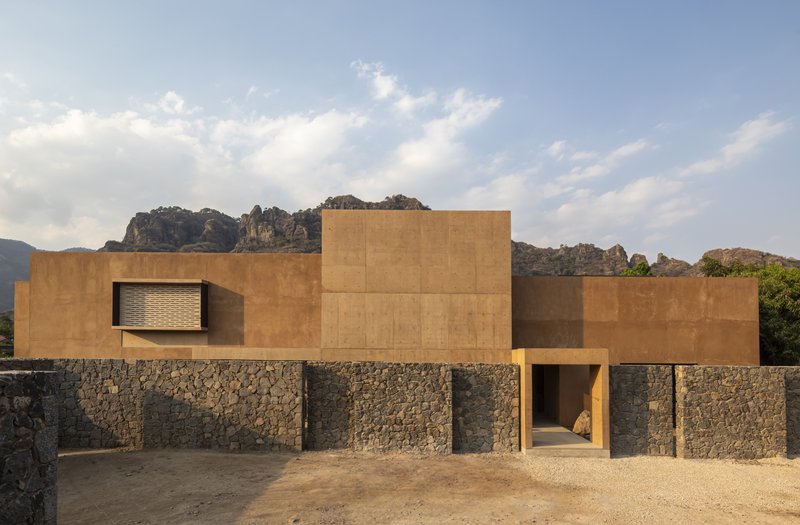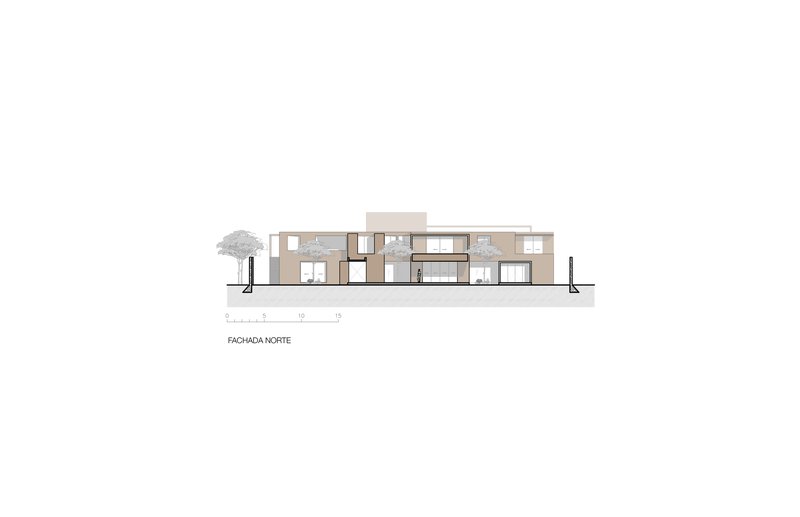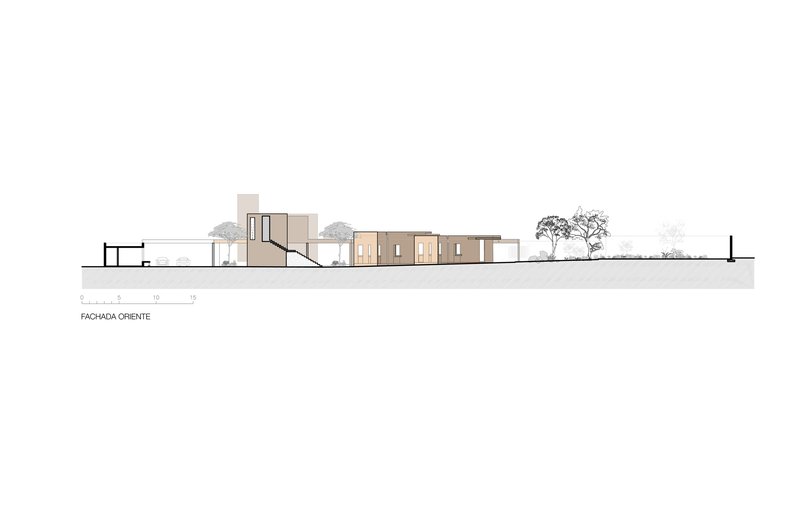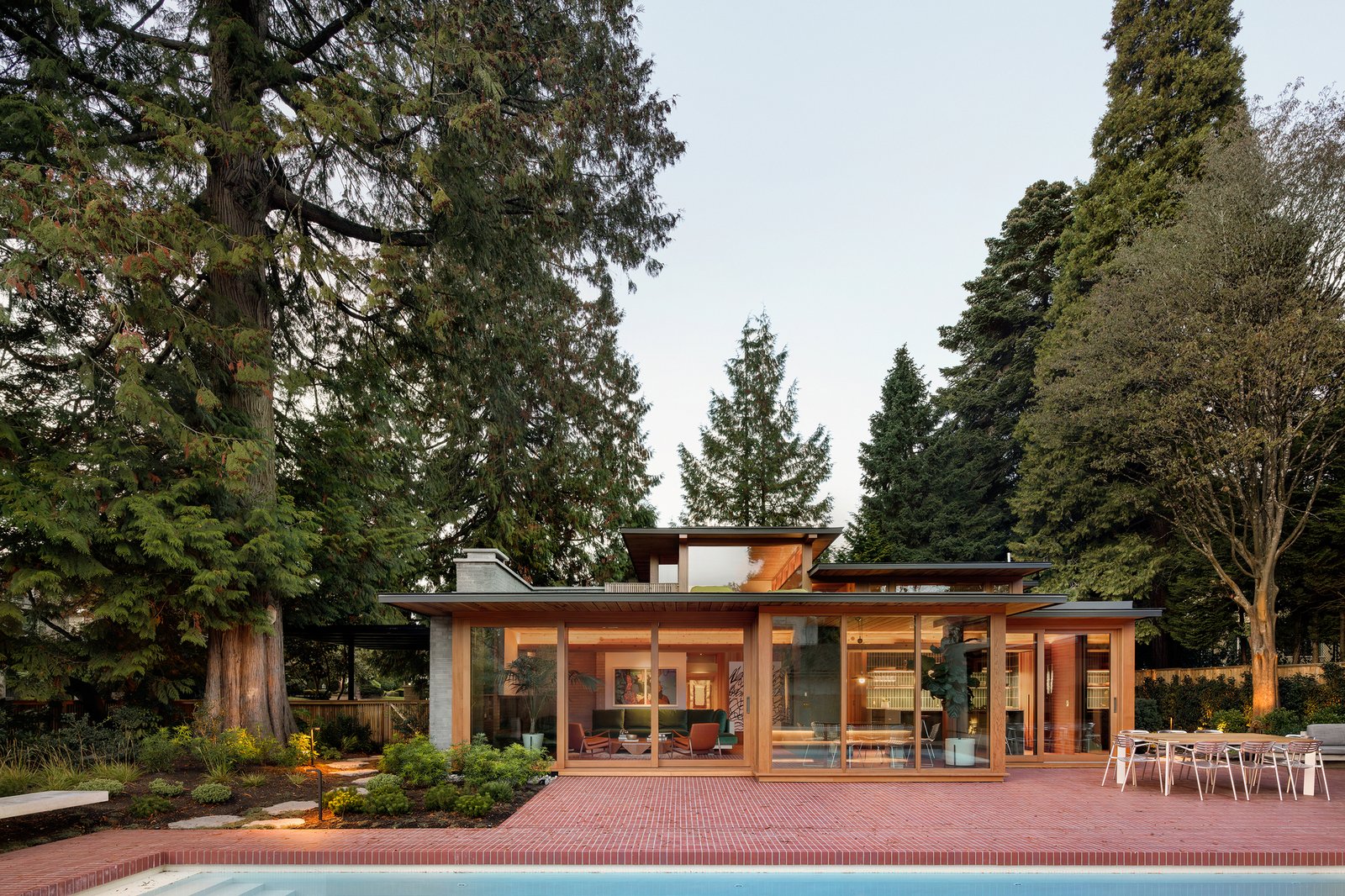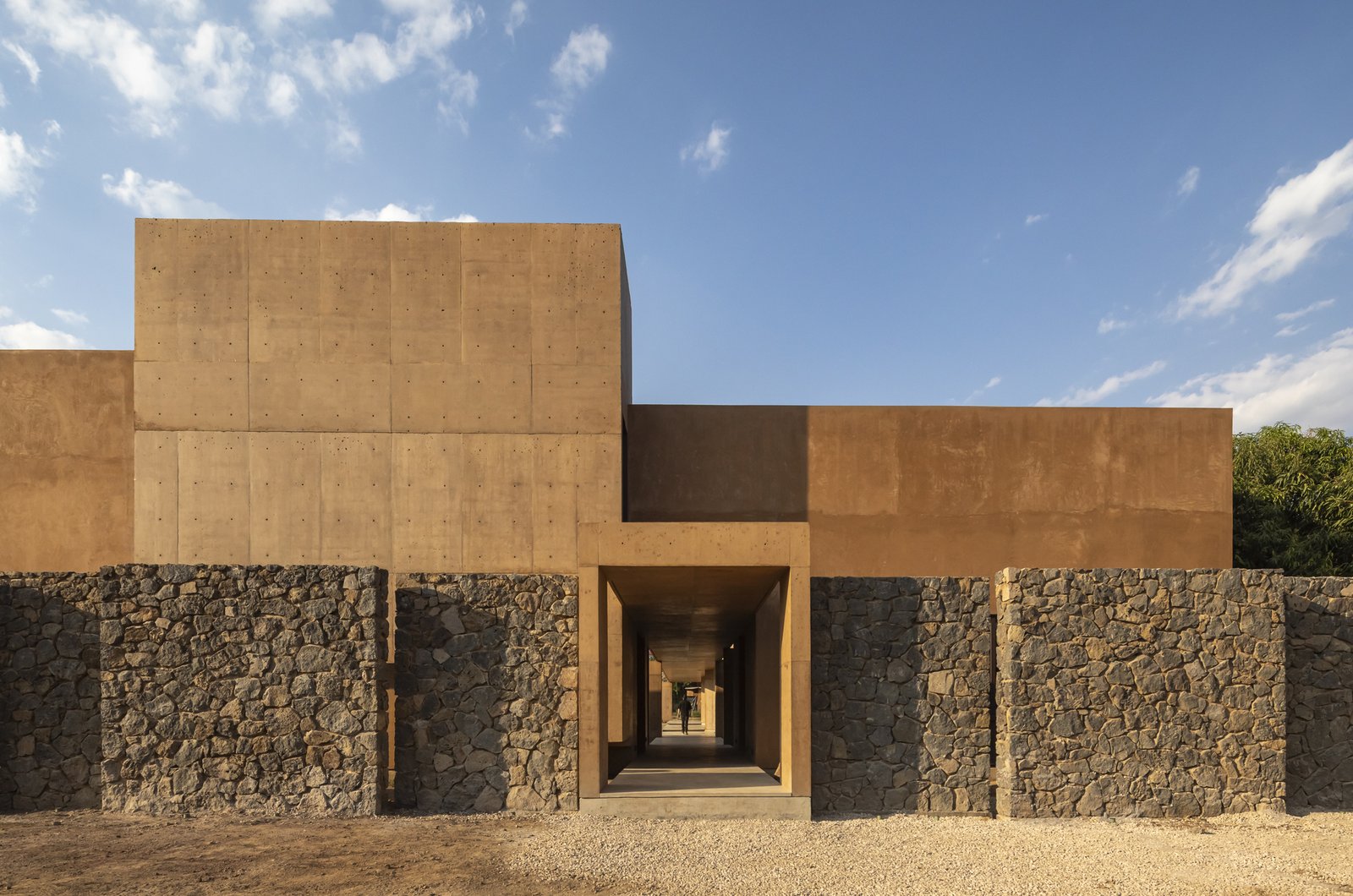
Upon first stepping onto the land that would cradle Casa Macana, the architects at Taller Carlos Marín were struck by a revelation. Emerging from a modest alleyway, a breathtaking vista unfolded—a panorama of the Tepozteco's rugged slopes, an ever-present sentinel of the region. This natural grandeur was to be the cornerstone of their design, a visual crescendo that would guide every architectural decision henceforth.
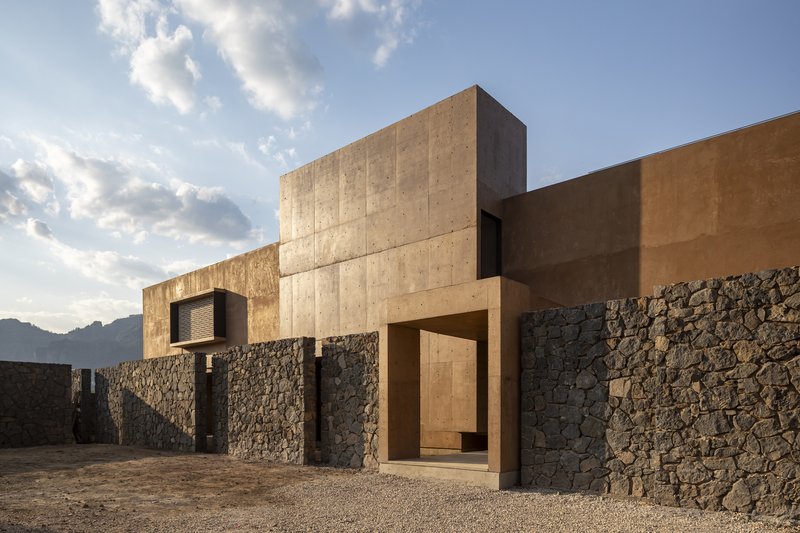
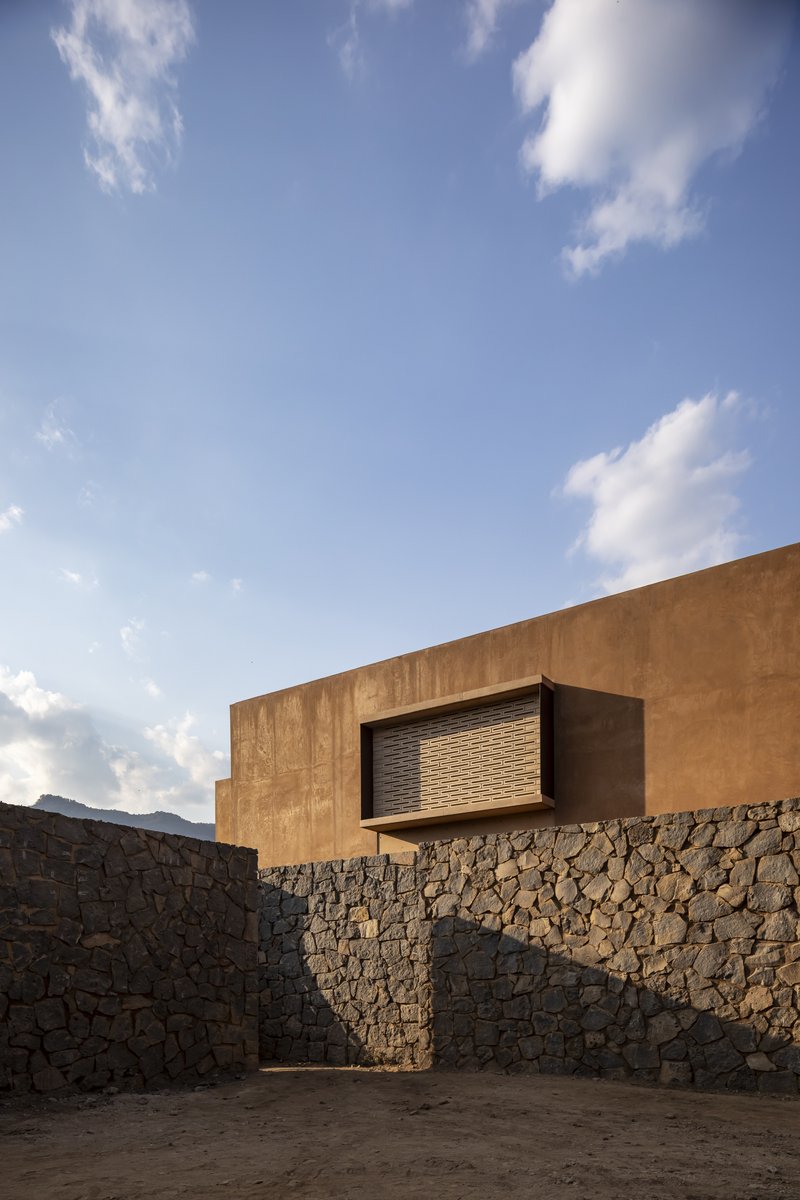
In crafting a home that both honors and celebrates this view, the architects devised a sanctuary of contemplation and retreat. The residence turns its back to the narrow paths that lead to it, opting instead for a sequence of spatial revelations that unfold with deliberate grace. As one journeys through these layers, the landscape is unveiled in a carefully framed tableau, a living artwork that captivates and inspires.
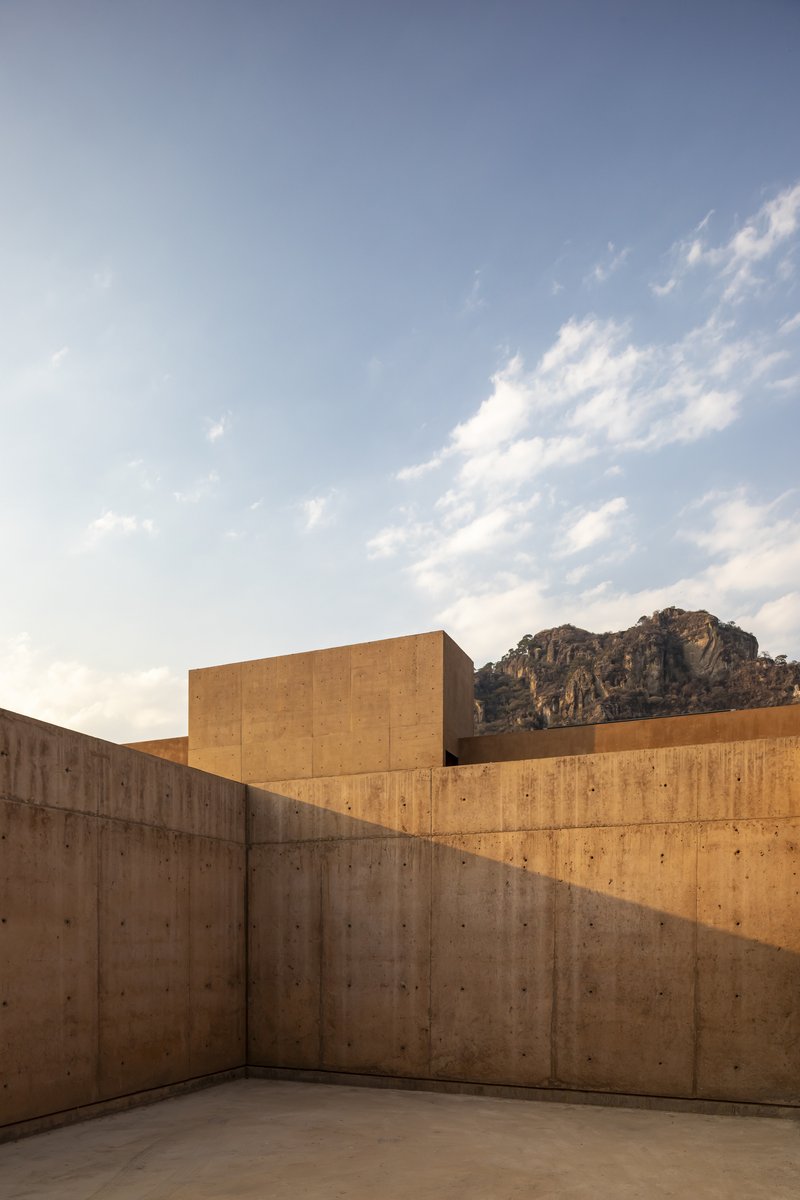
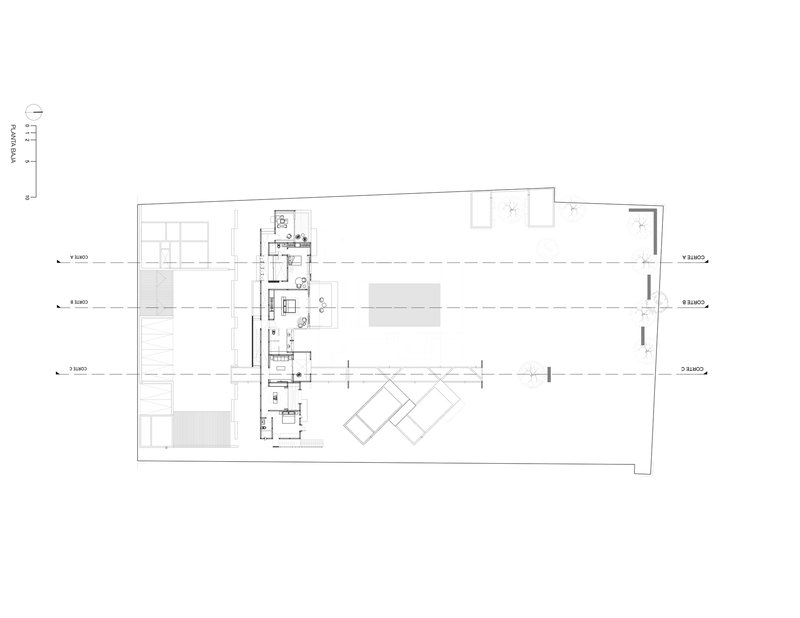
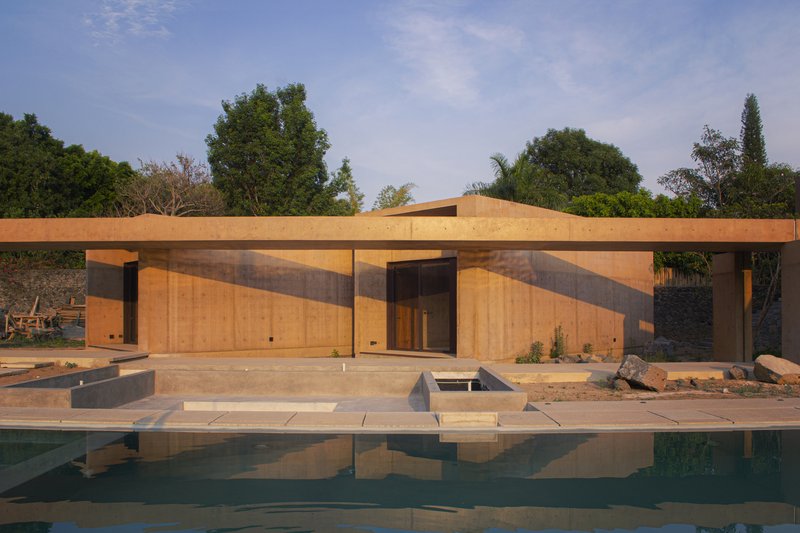
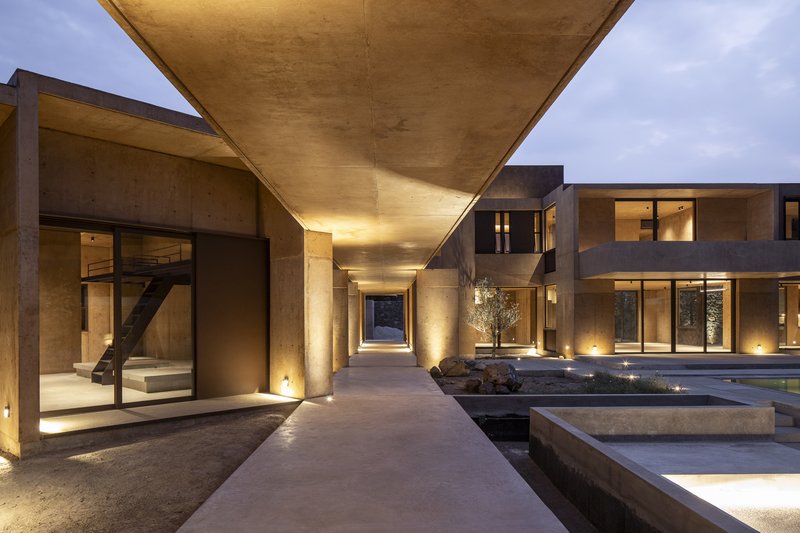
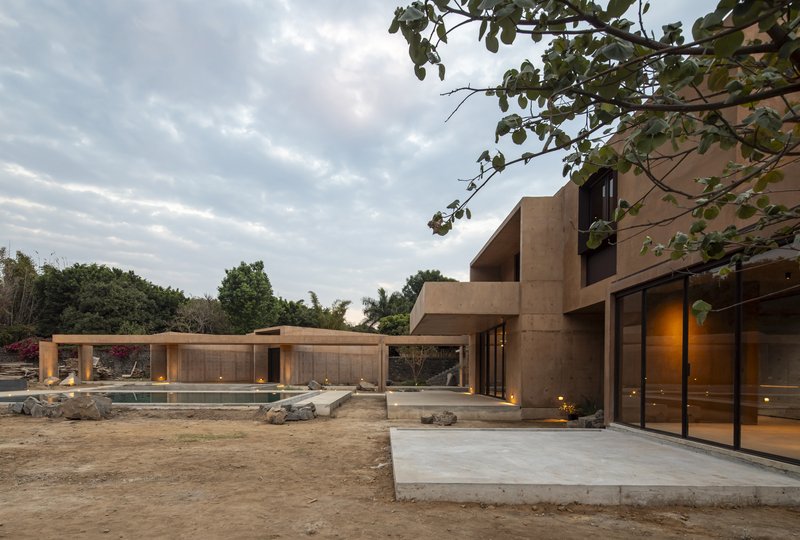
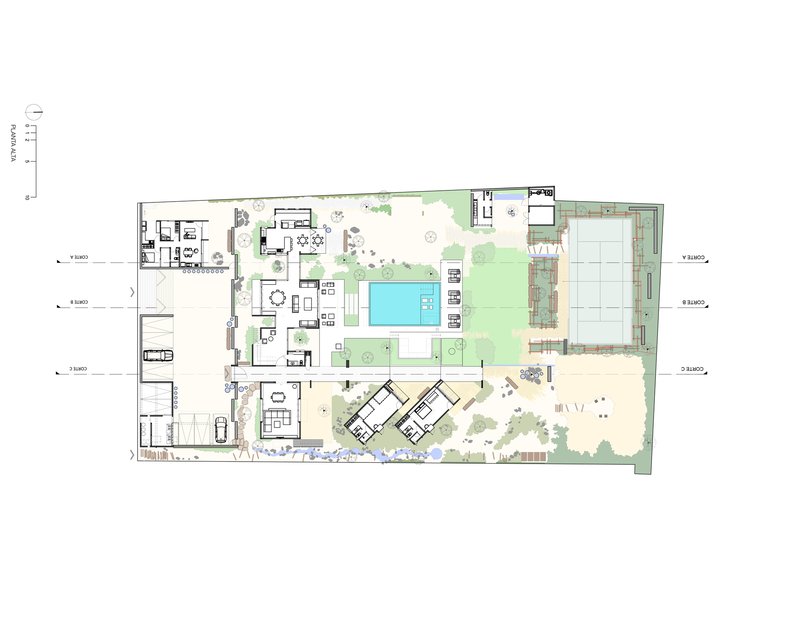
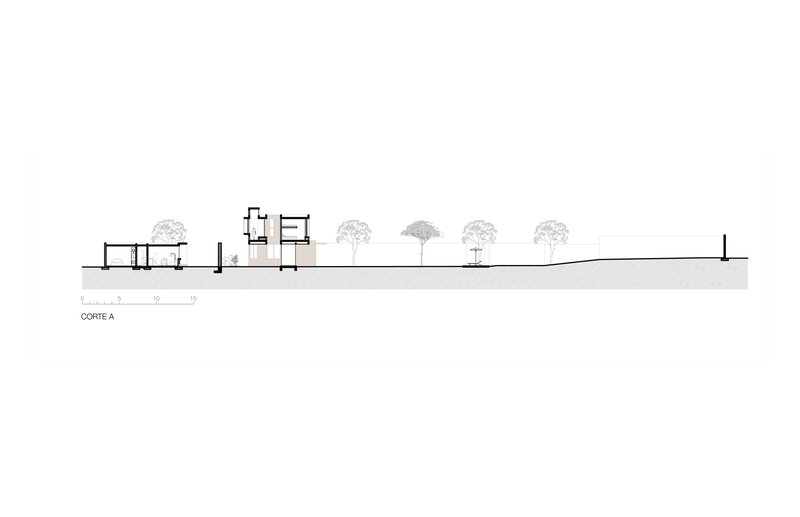
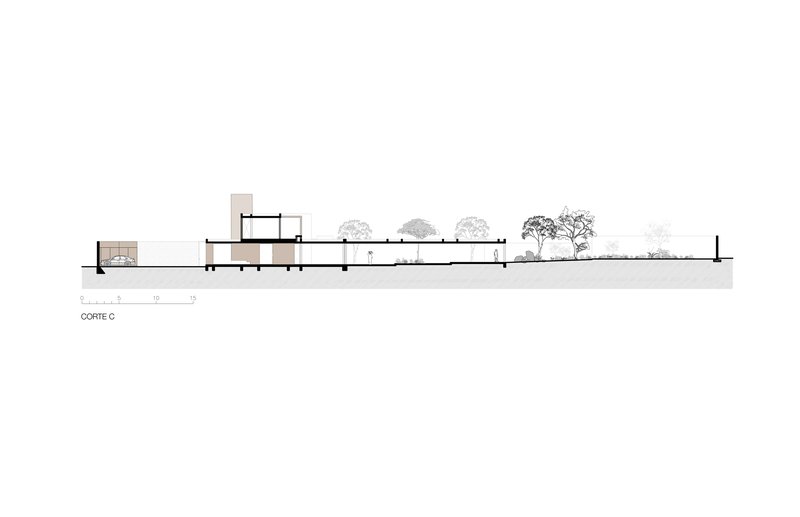
The design’s L-shaped configuration serves both function and meditation. A corridor shelters the guest rooms, while the main volume of the house opens fully to the verdant hill, a gesture of reverence and embrace. Here, communal spaces—living rooms, dining areas, a kitchen, offices, a yoga studio, and bedrooms—are all orchestrated to foreground the commanding view, each room a stage for the changing light and shifting shadows of the day.
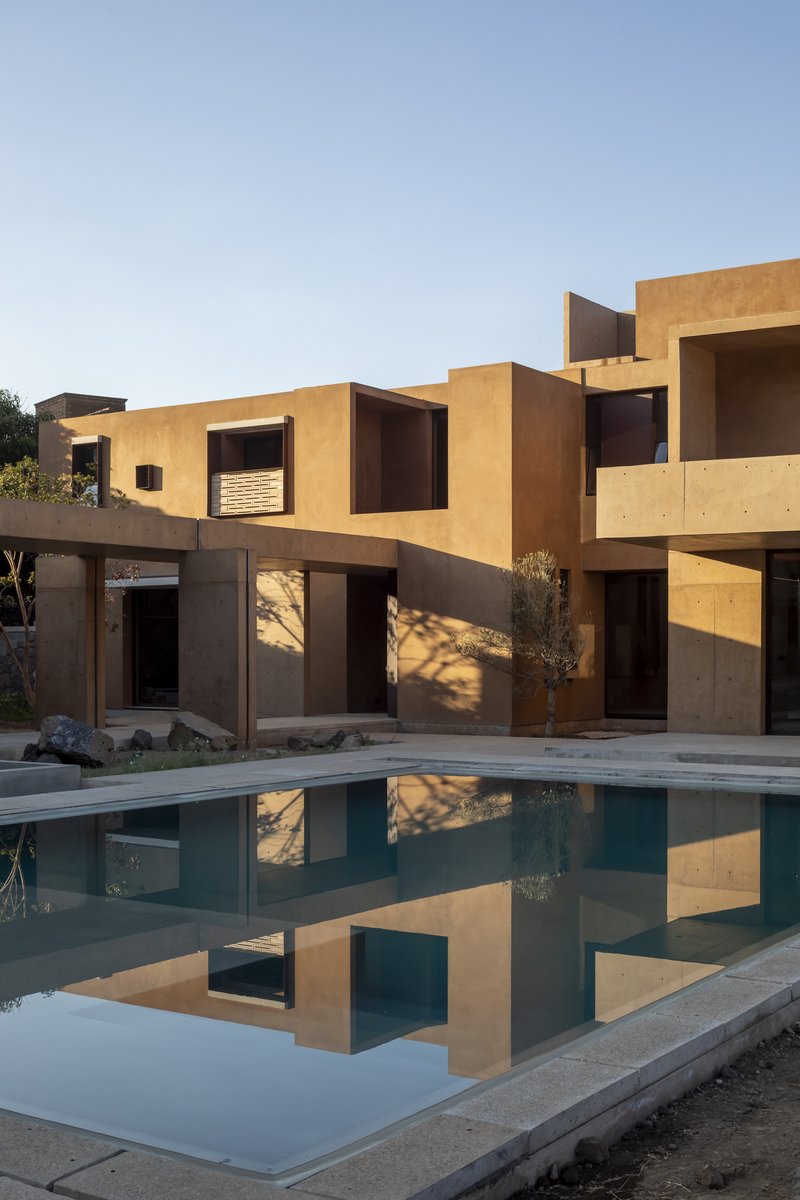
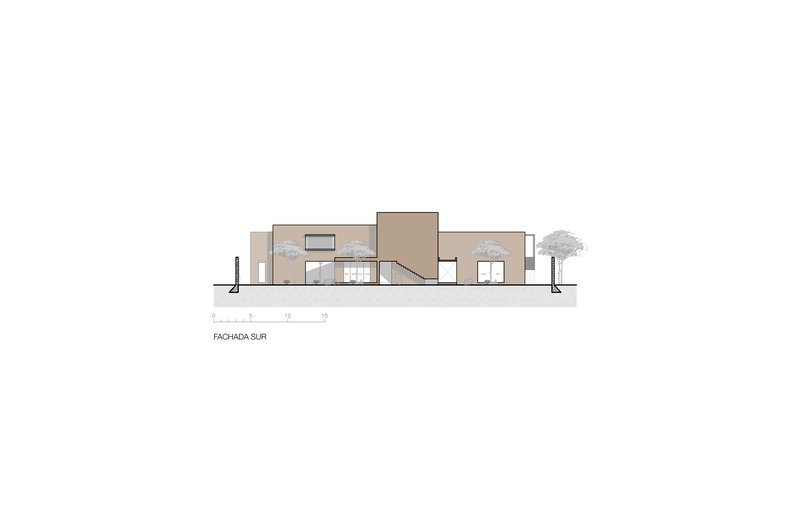
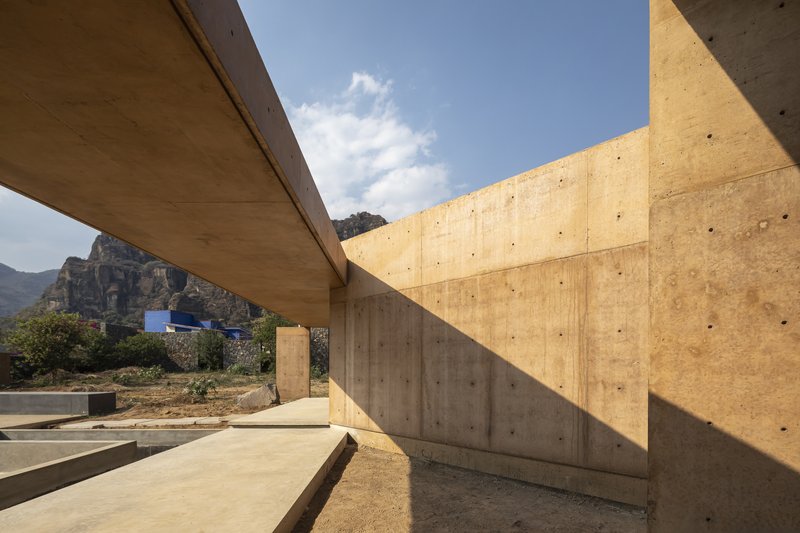
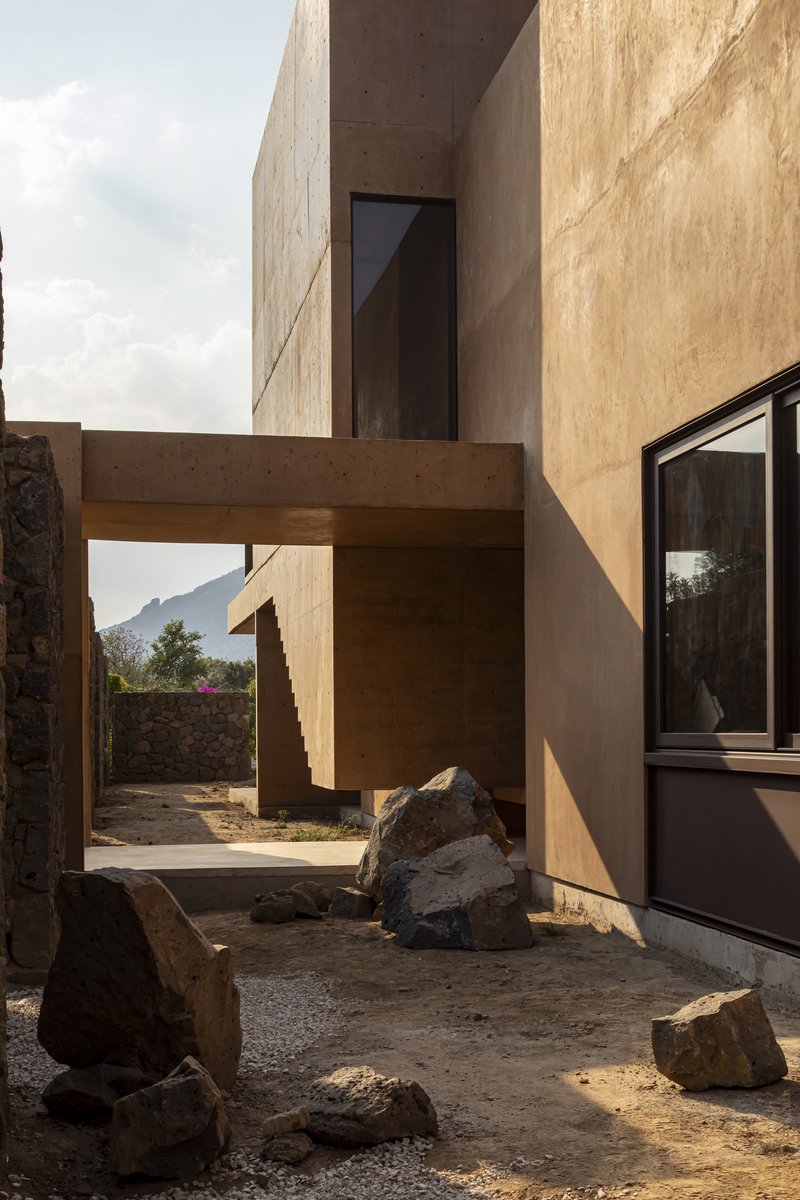
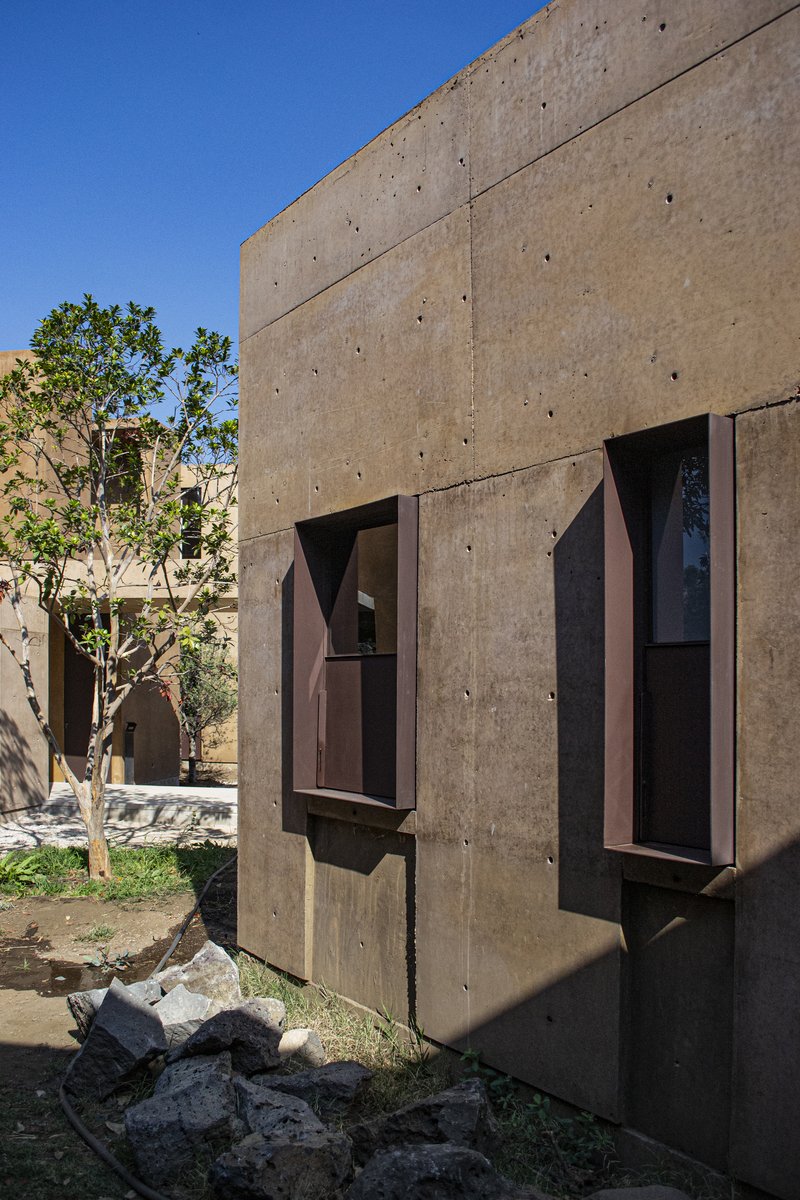
In a region where the land’s formidable presence is a constant, the architects were mindful to weave the architecture with its surroundings. Local materials, such as stone and earth, were chosen for their inherent dialogue with the landscape. A bespoke blend of ochre-hued pigmented concrete was developed, drawing its tones from the very soil beneath. This choice ensures the volumes meld seamlessly into their environment, echoing the colors and textures of the land. The perimeter wall, crafted from stone, fortifies this connection, allowing the house to appear as if it has emerged organically from the earth itself, cradled by the hill and the boundaries of the site.
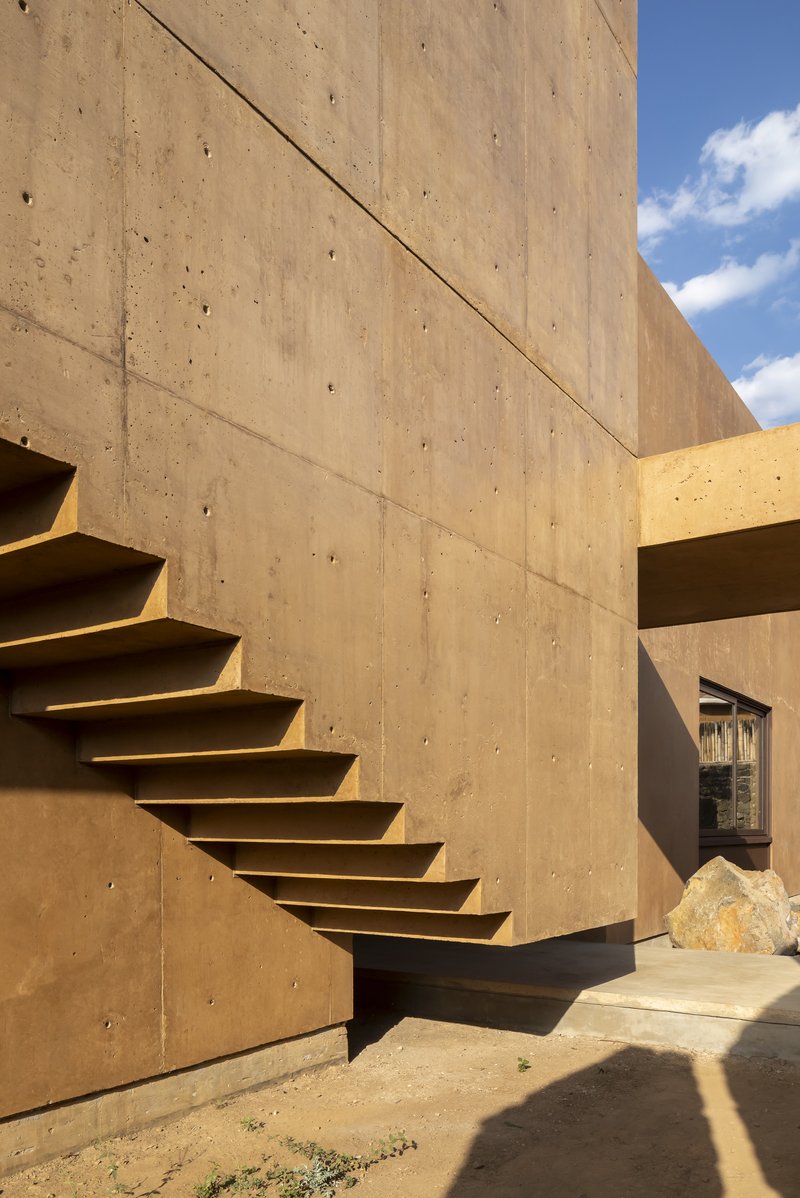
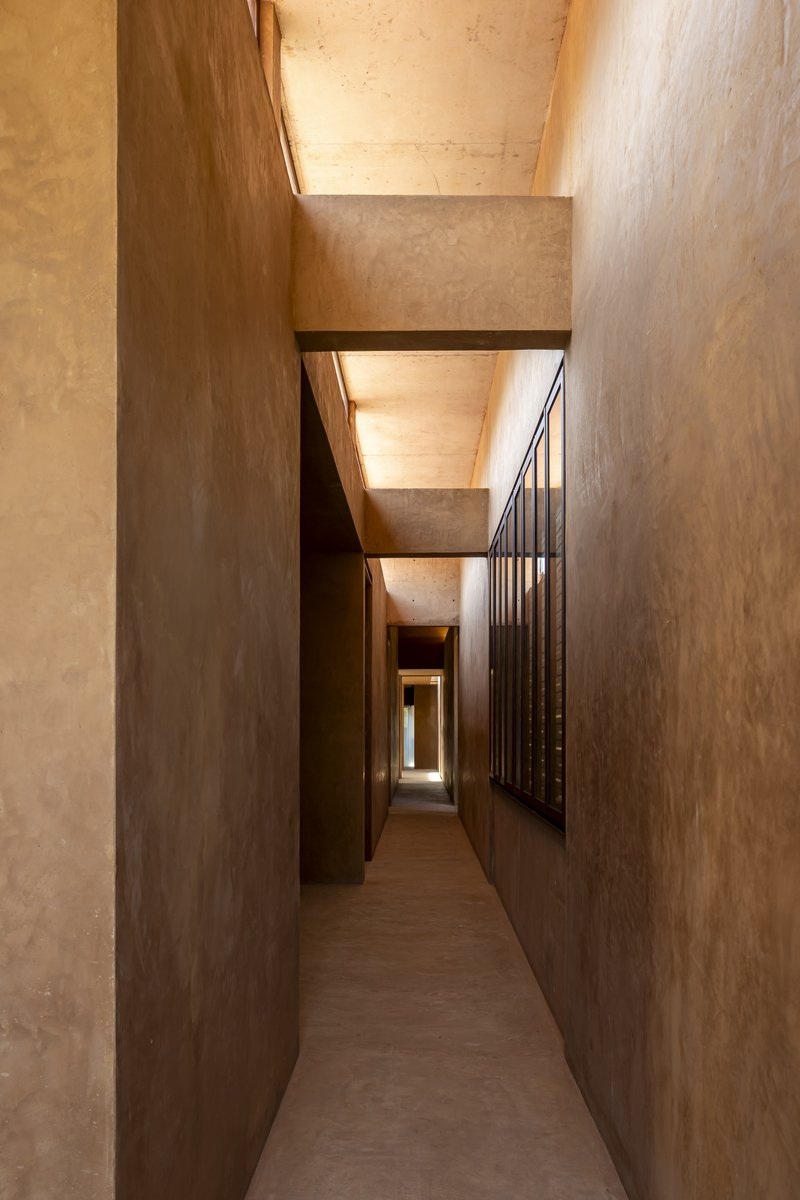
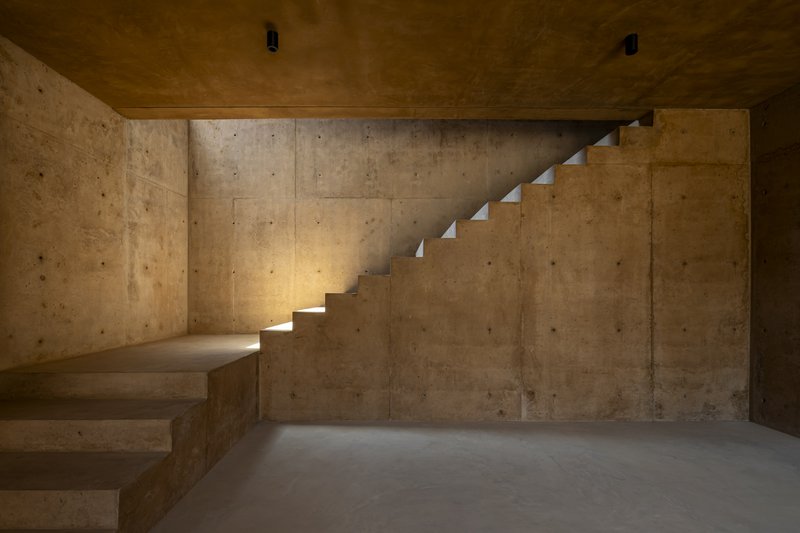
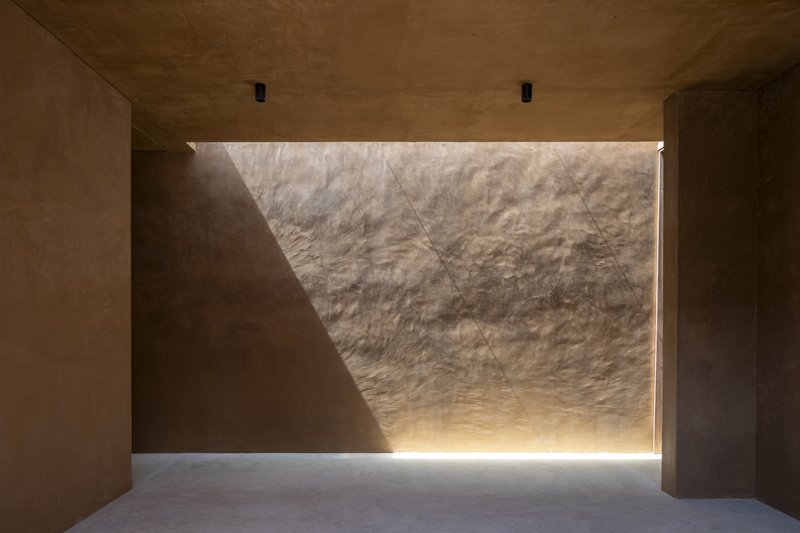
From the outset, the client expressed a desire for an introspective residence, one that would offer a monastic serenity. Drawing inspiration from the nearby convent in the heart of Tepoztlán, the architects harnessed the power of architectural silence. The upper corridors, reminiscent of cloistered walkways, invite a tranquil procession, nurturing the spaces with a play of light and shadow that encourages quiet reflection.
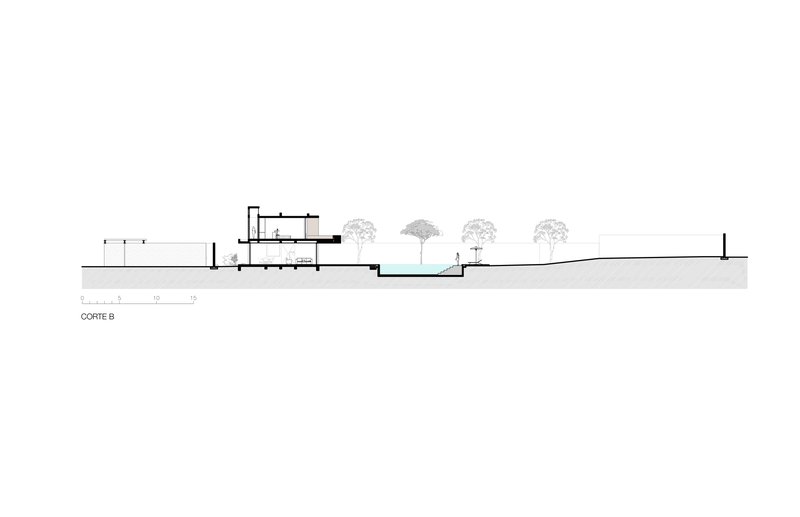
In terms of construction, walls of stone and masonry were cloaked in pigmented mixtures of earthen tones, complemented by exposed concrete in harmonious hues. During their initial visit, the architects noted the land’s transformation in the dry season, when the soil takes on a distinctive ochre hue. This observation became the genesis for the home’s material character: an architecture that rises from the landscape, merging with it in a symphony of balance and harmony.