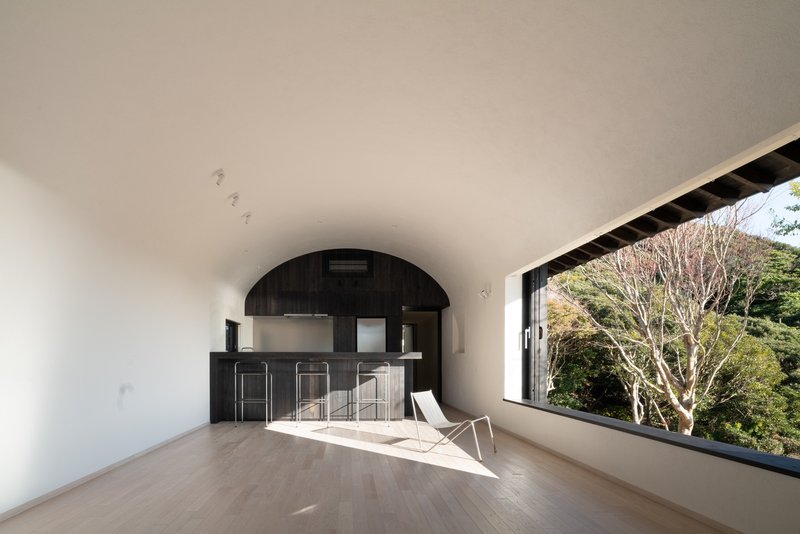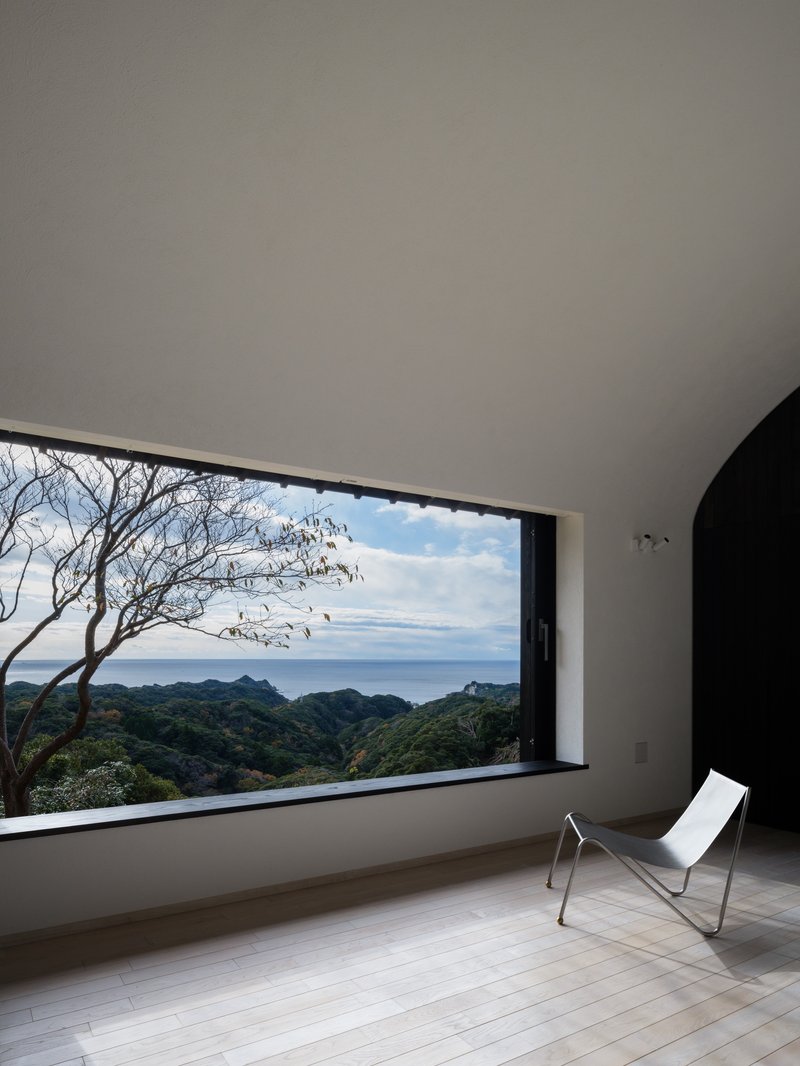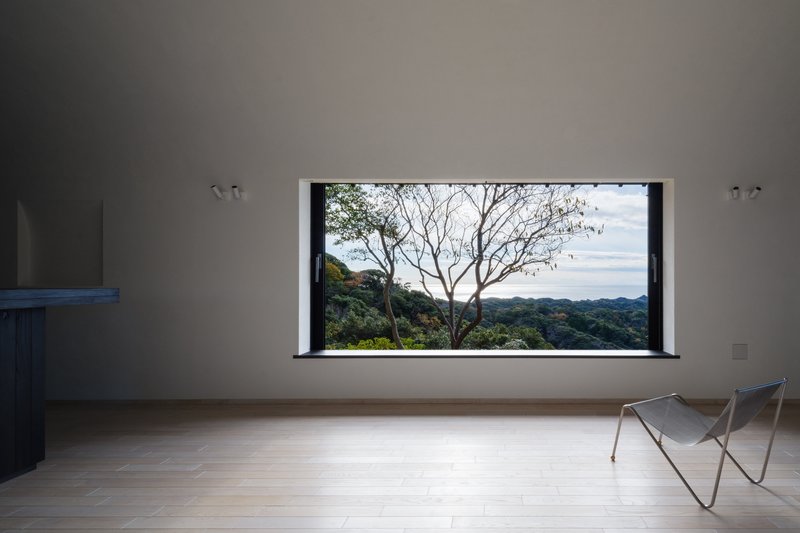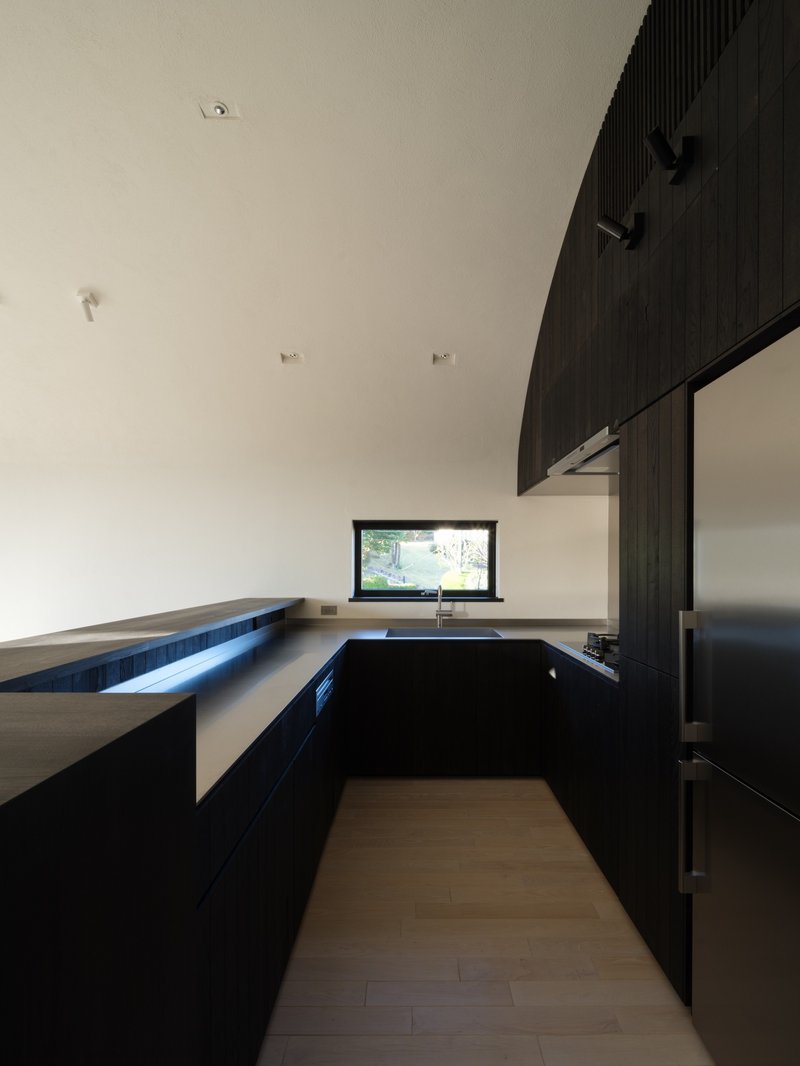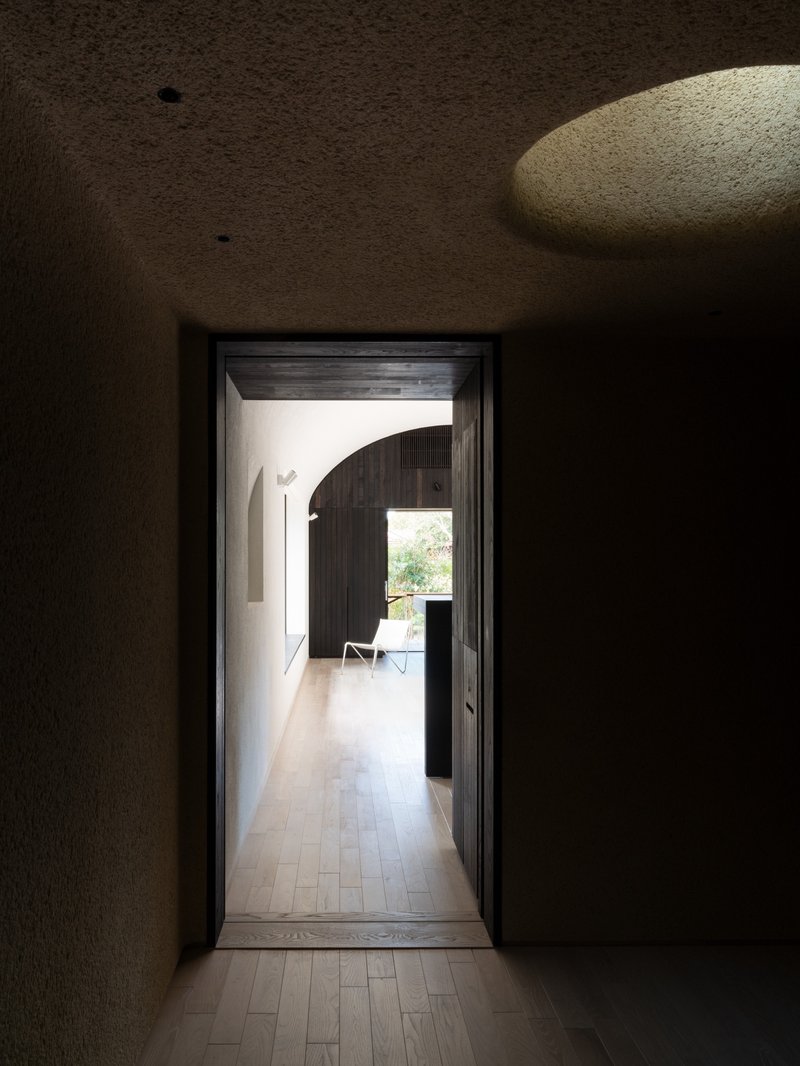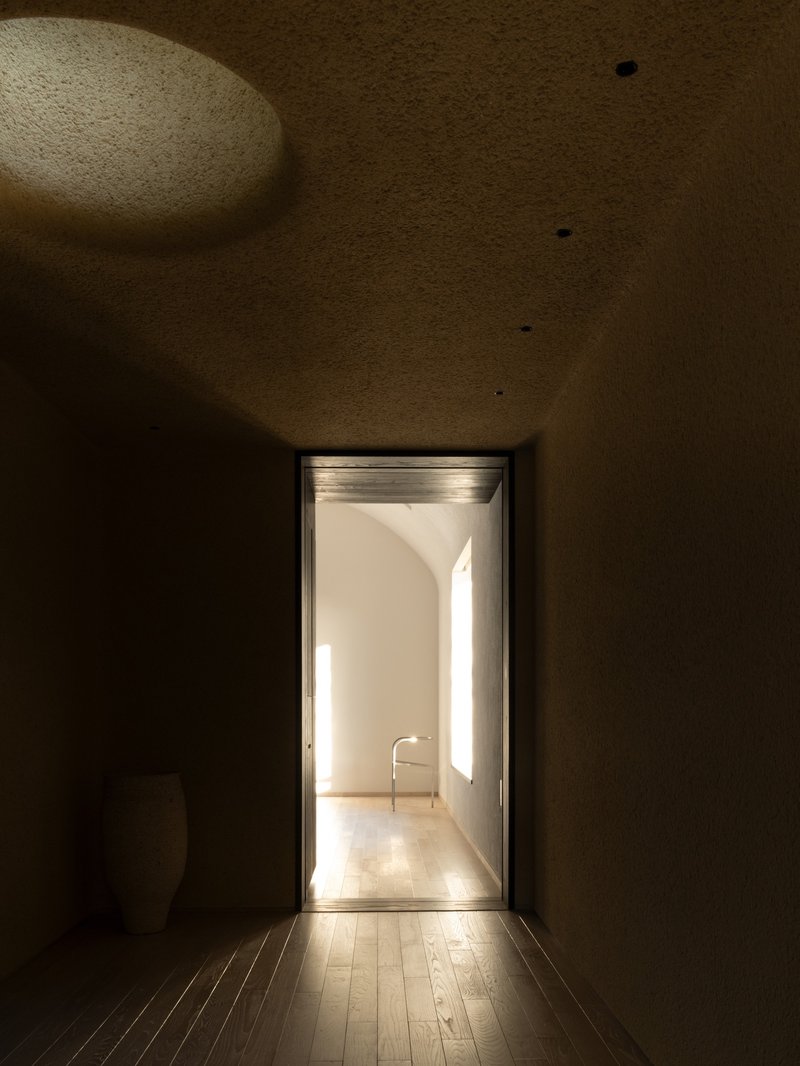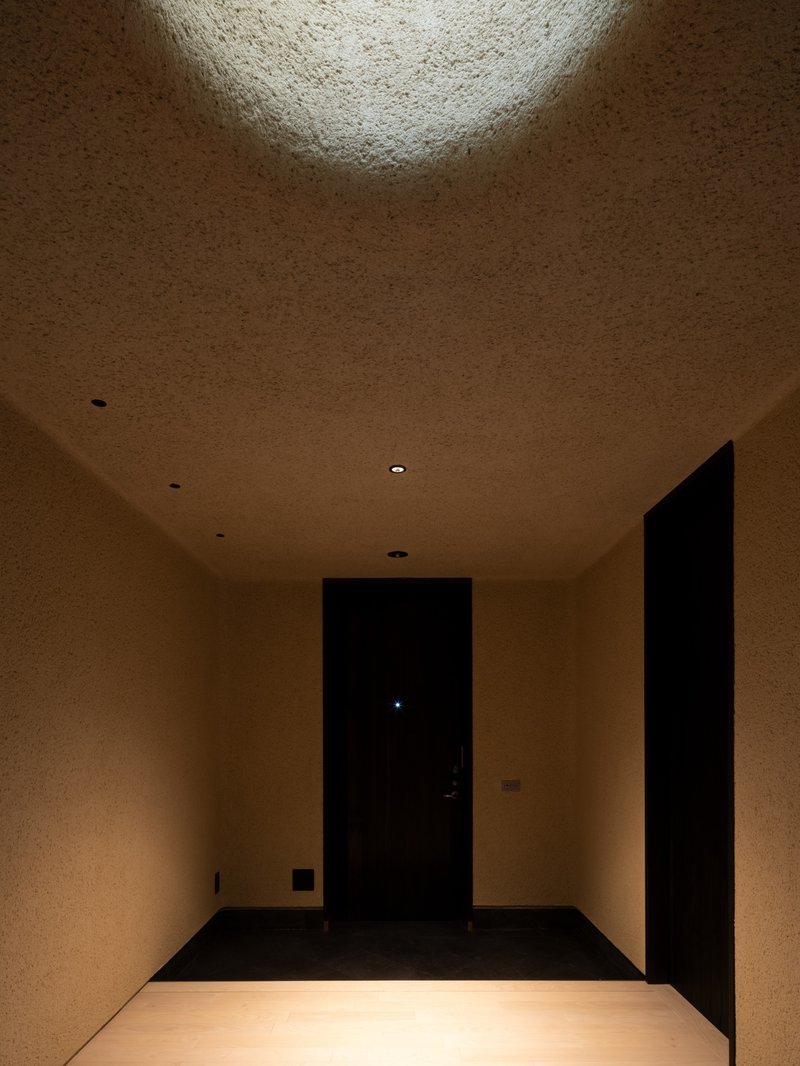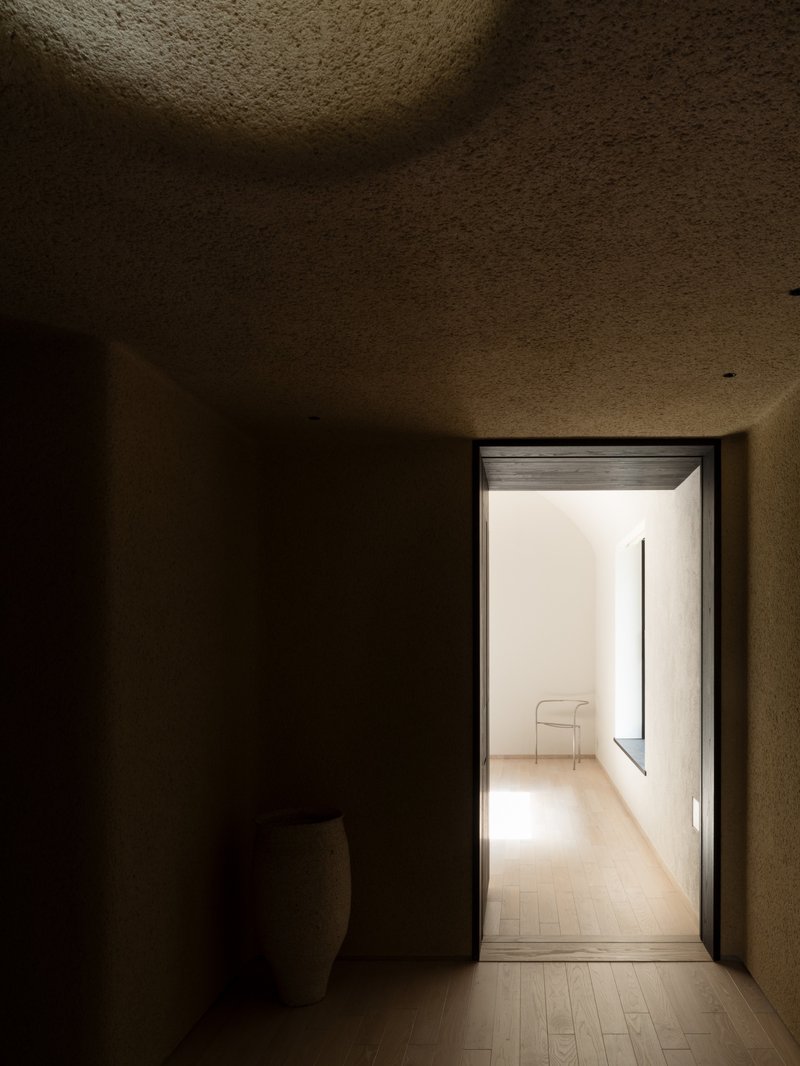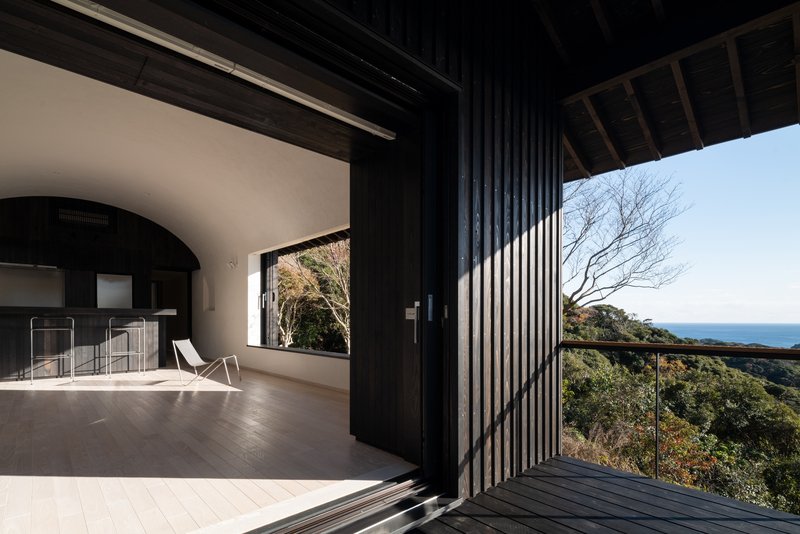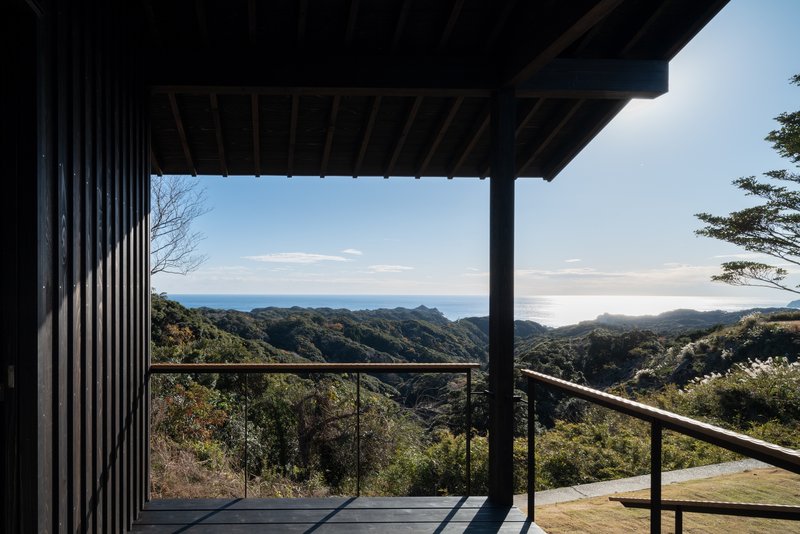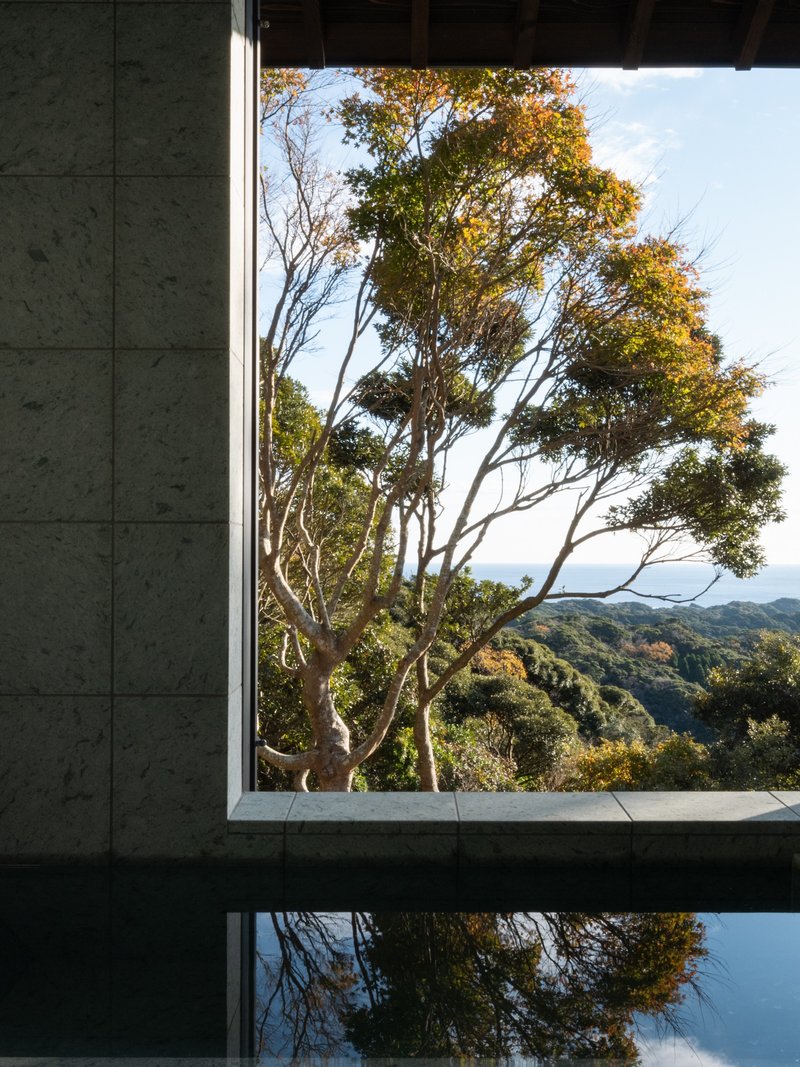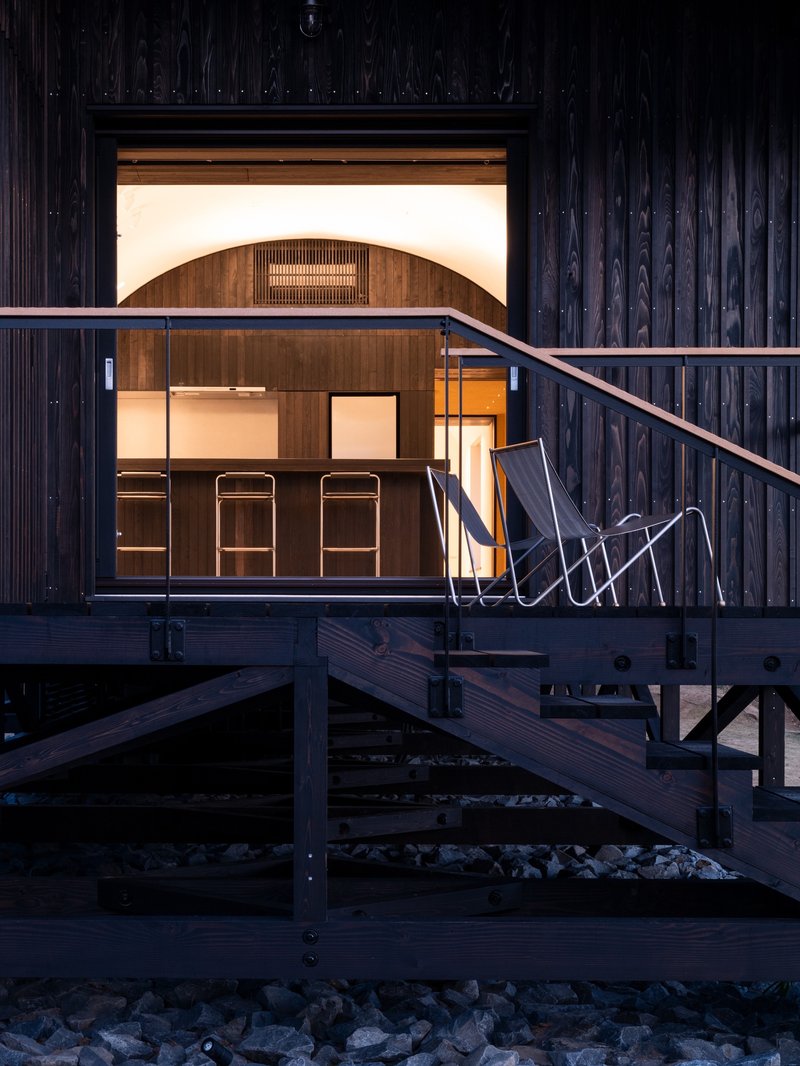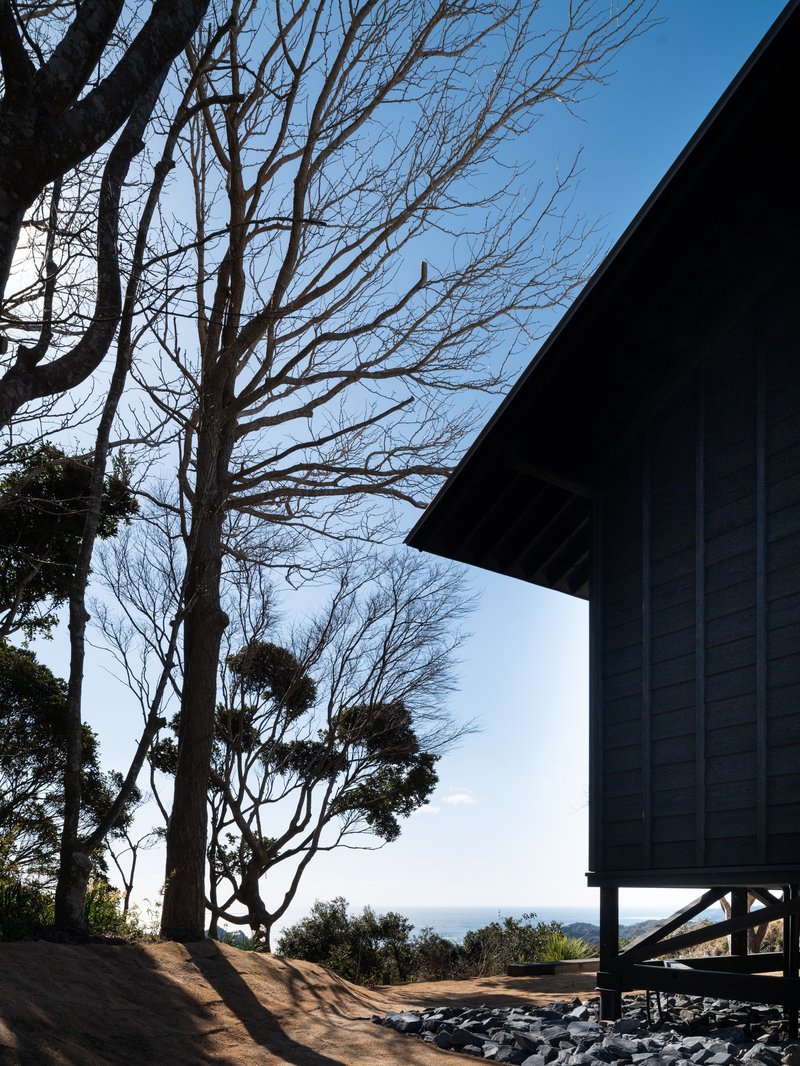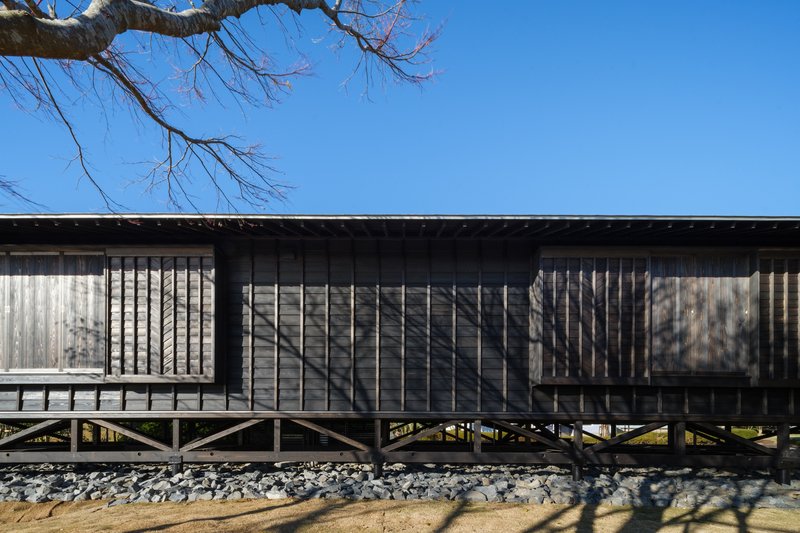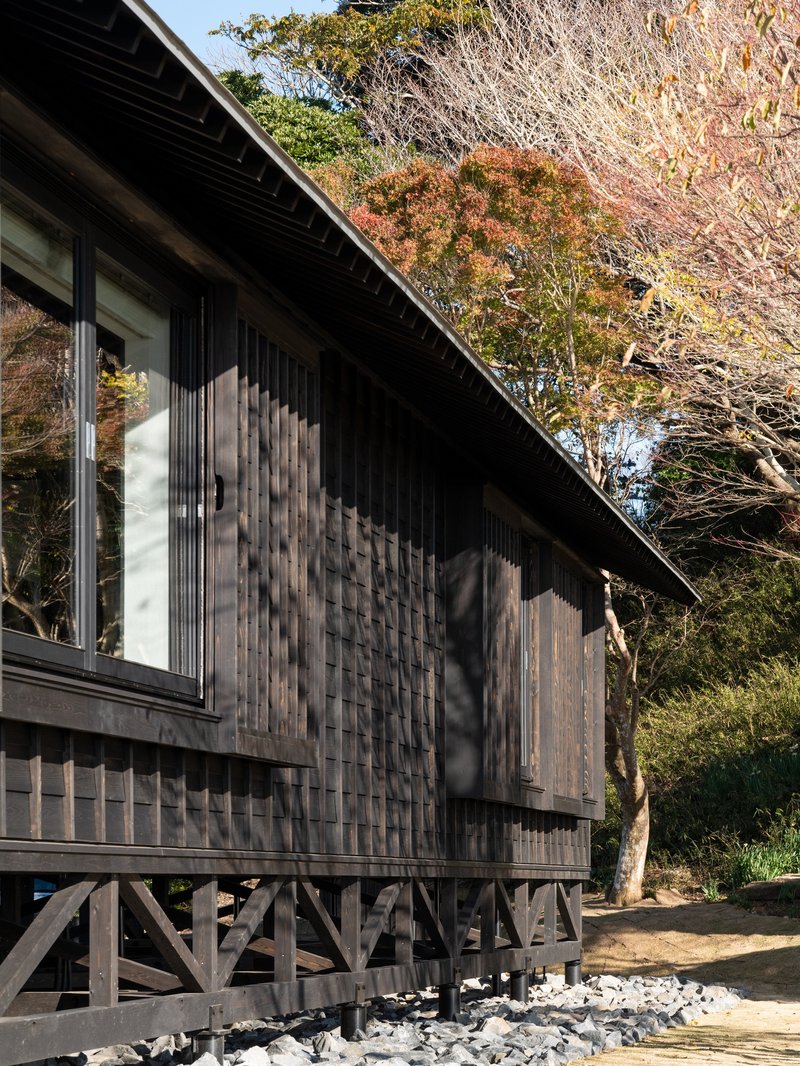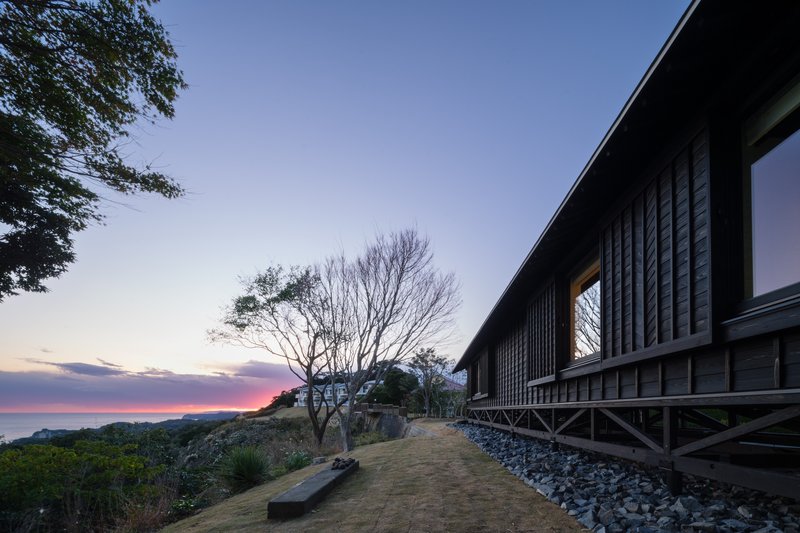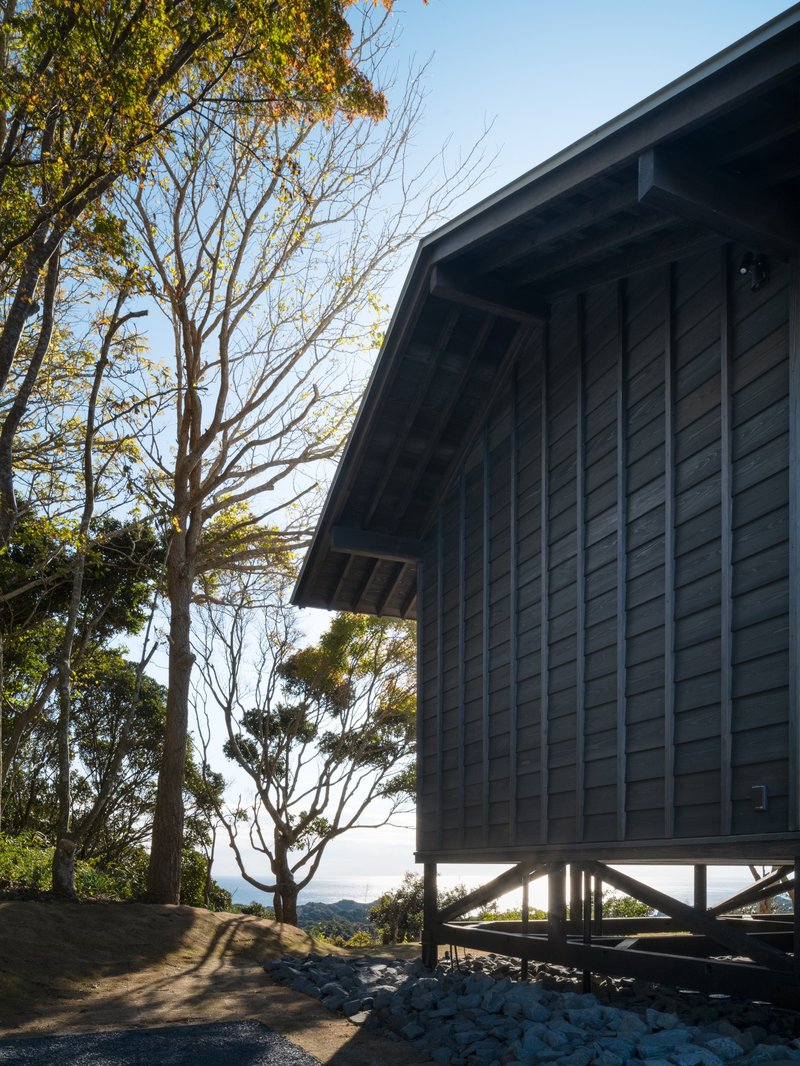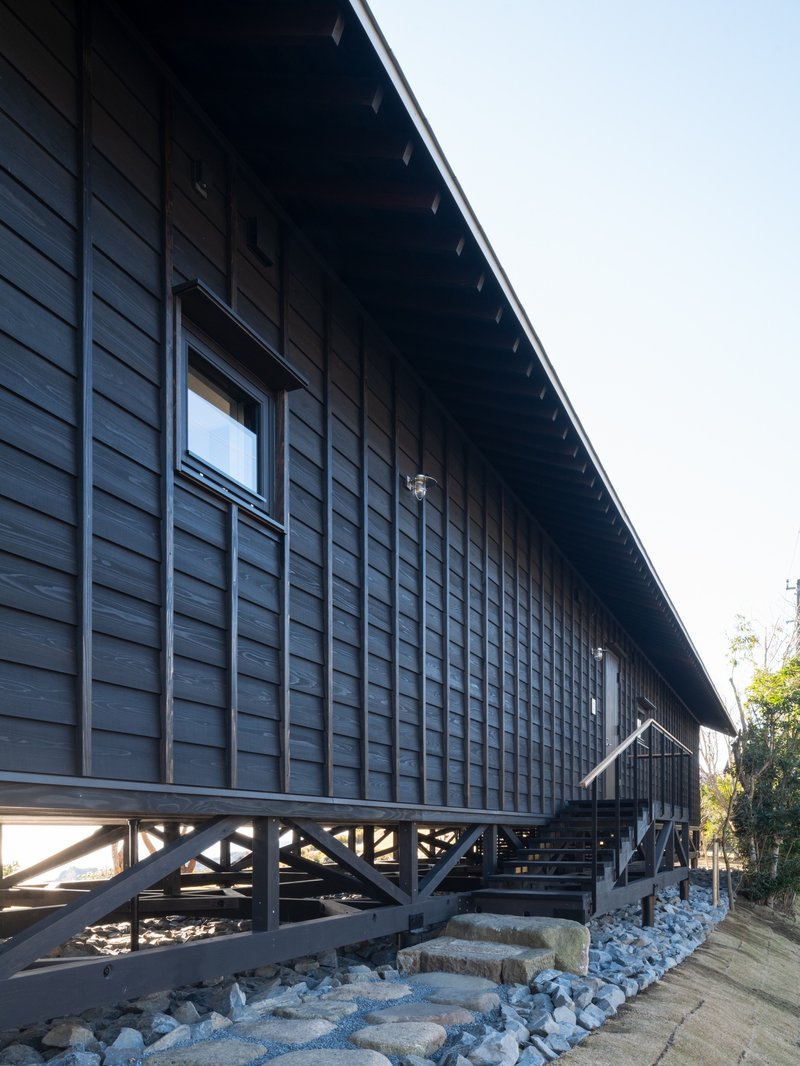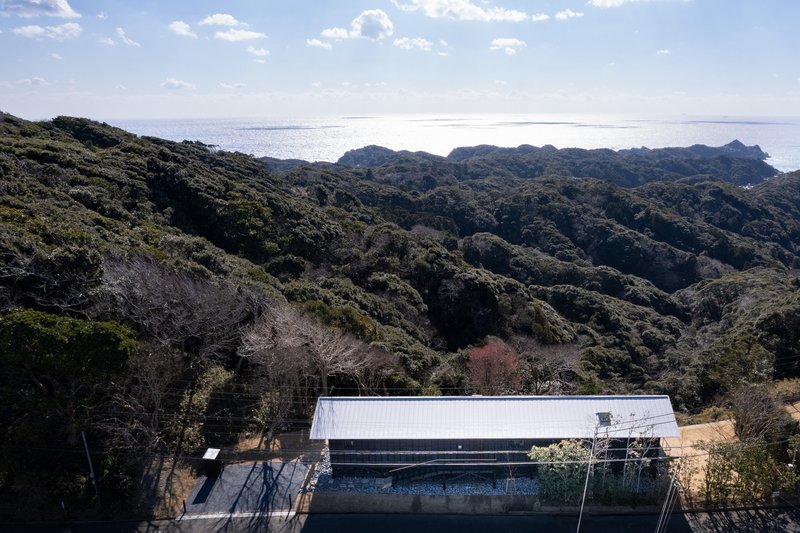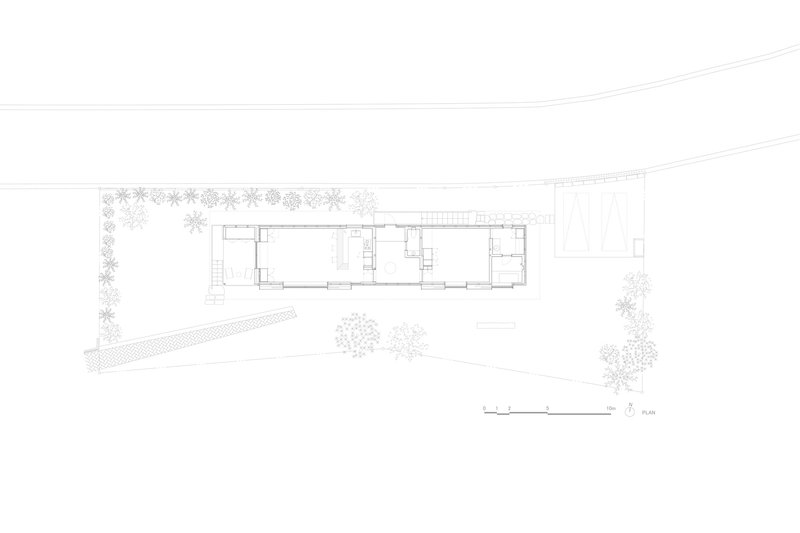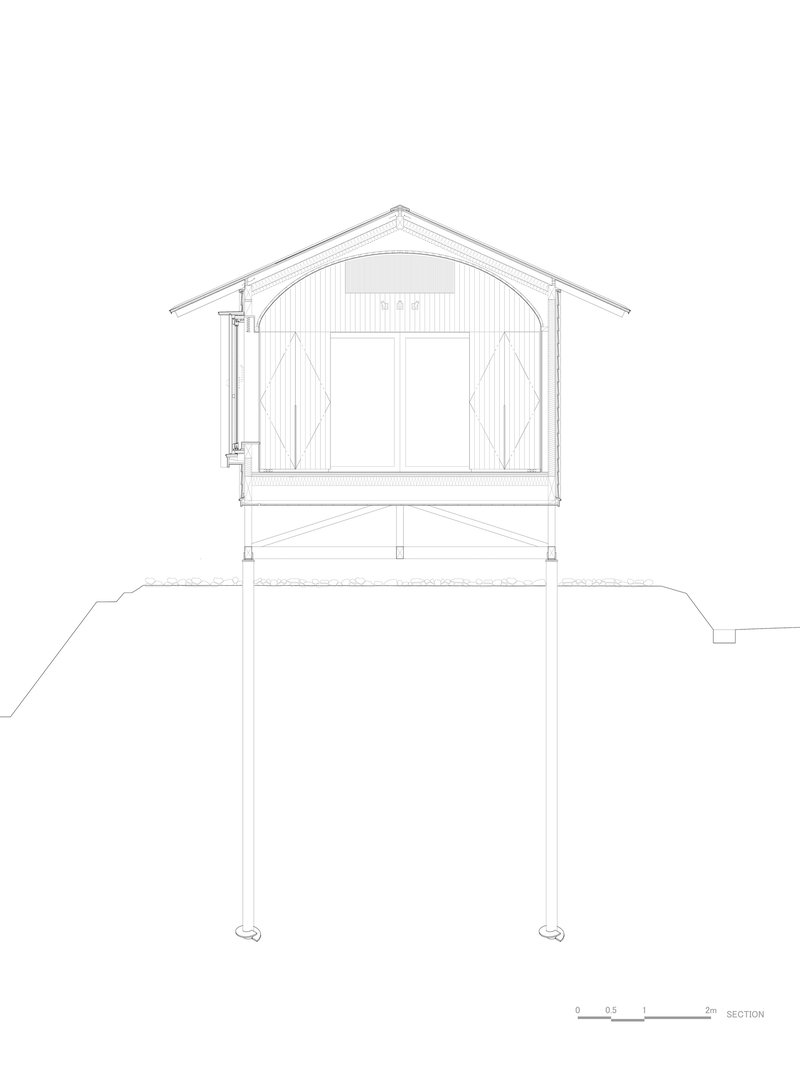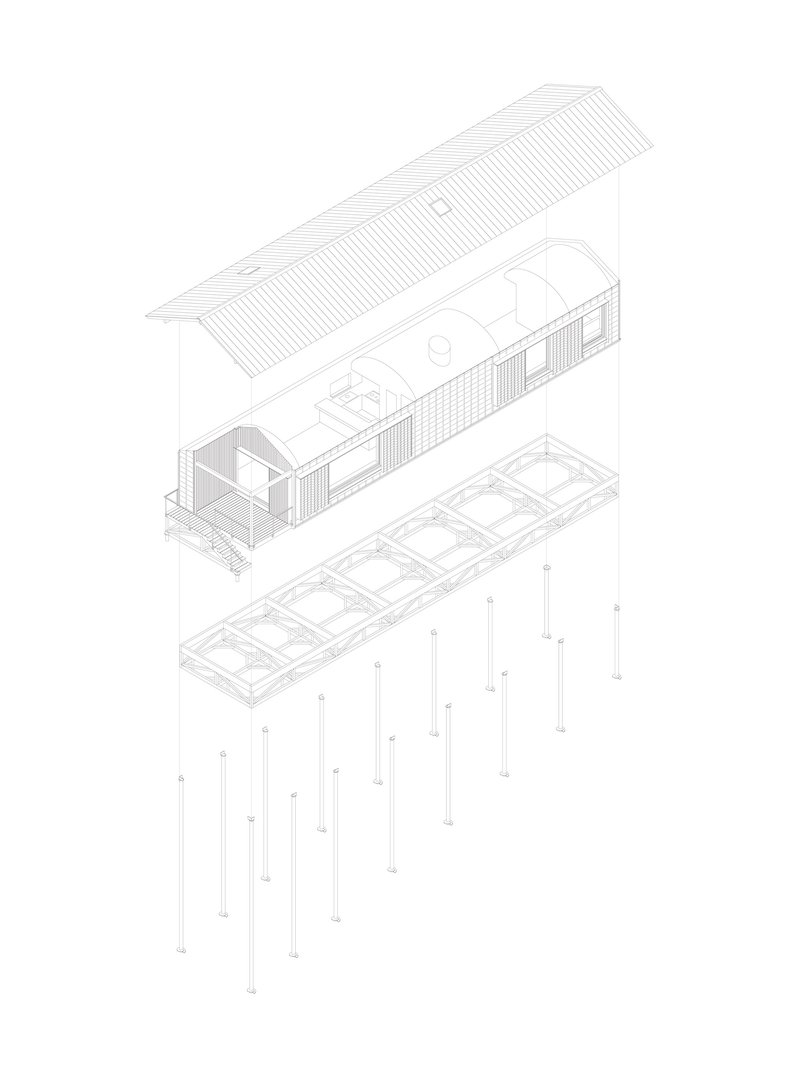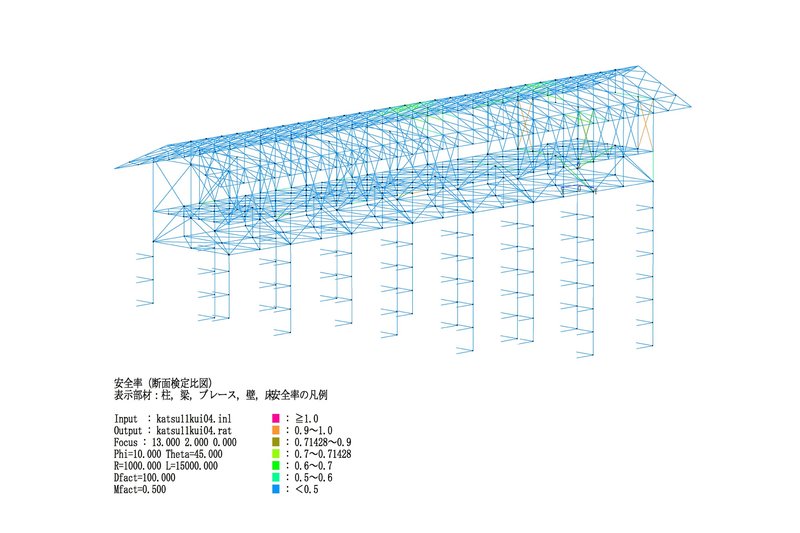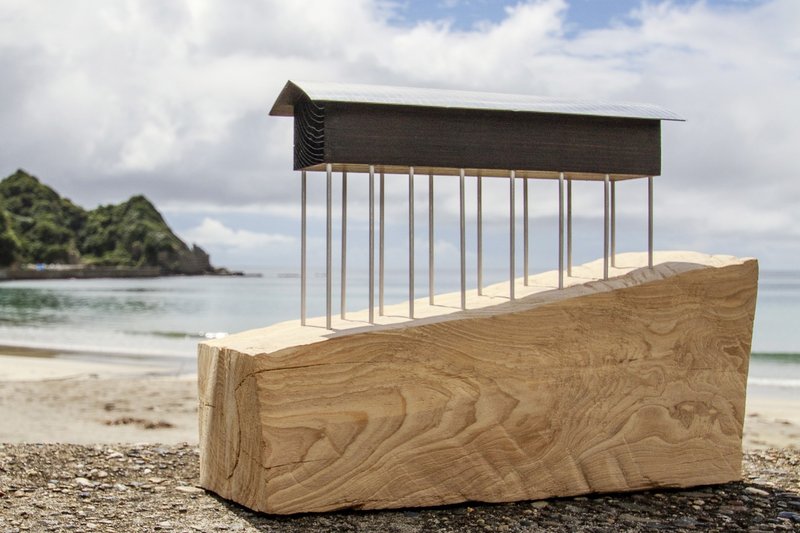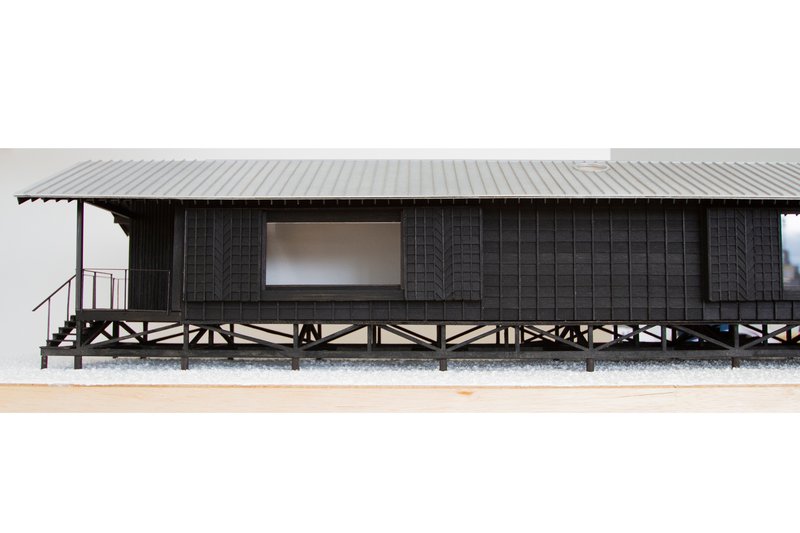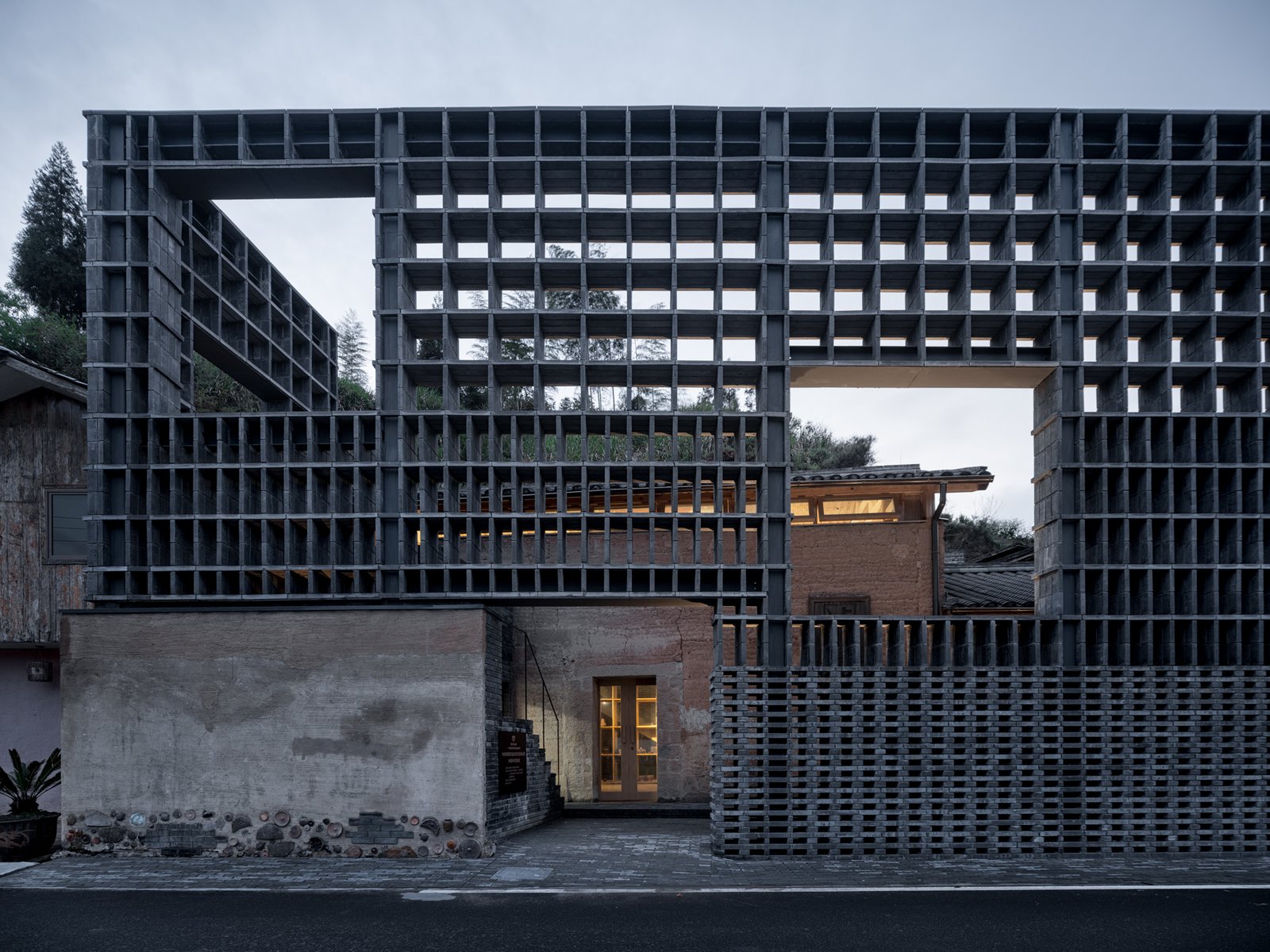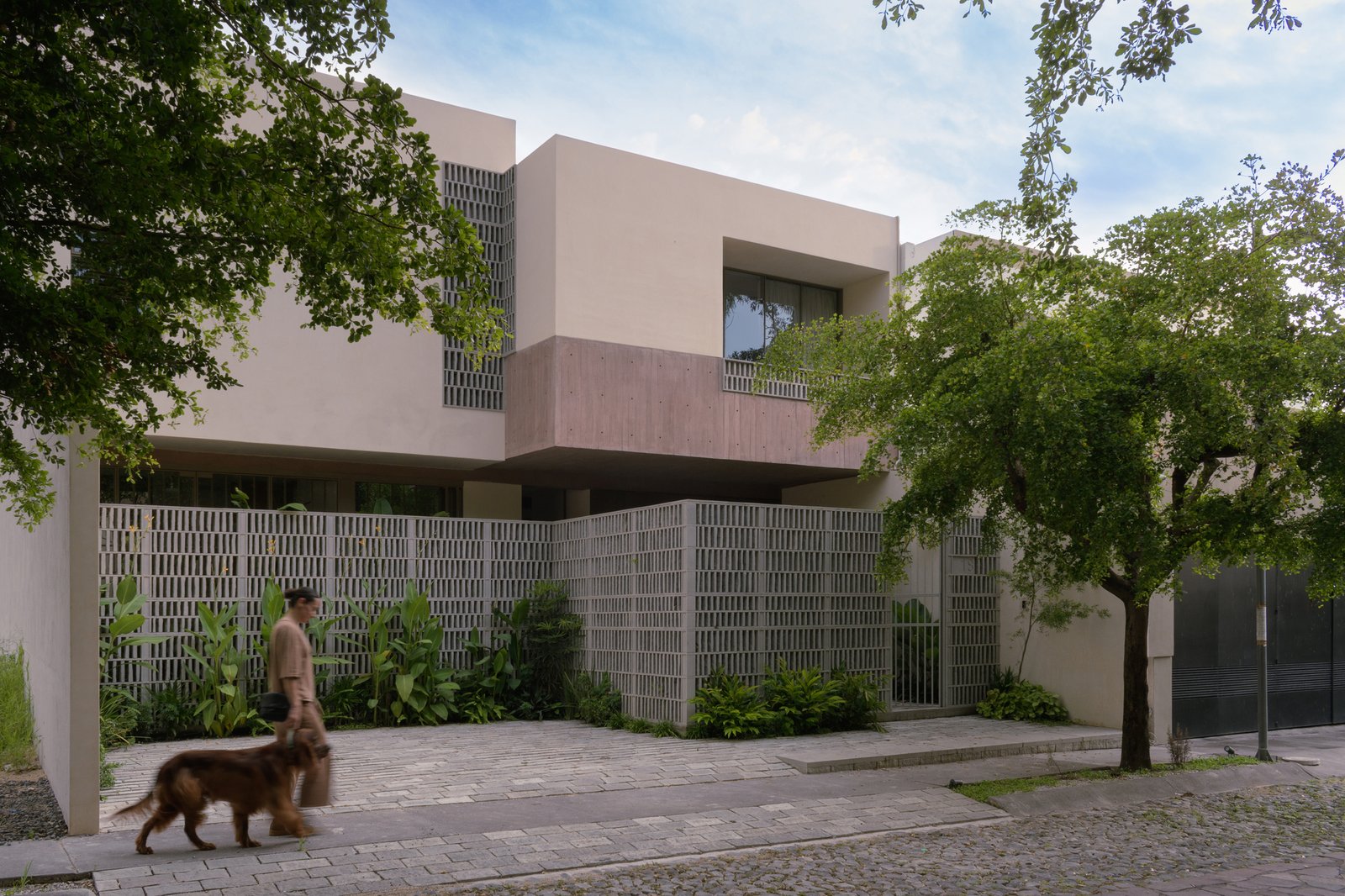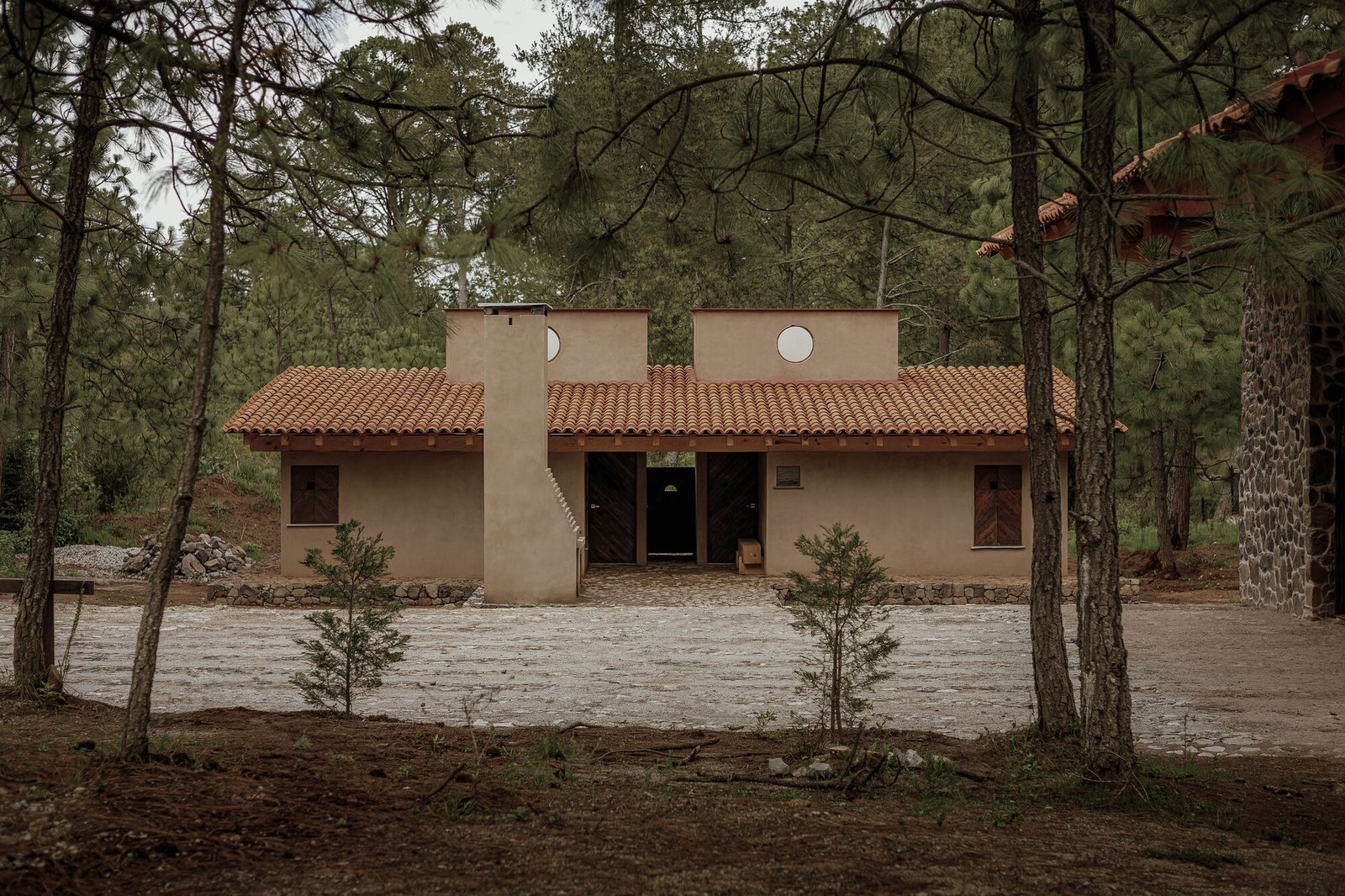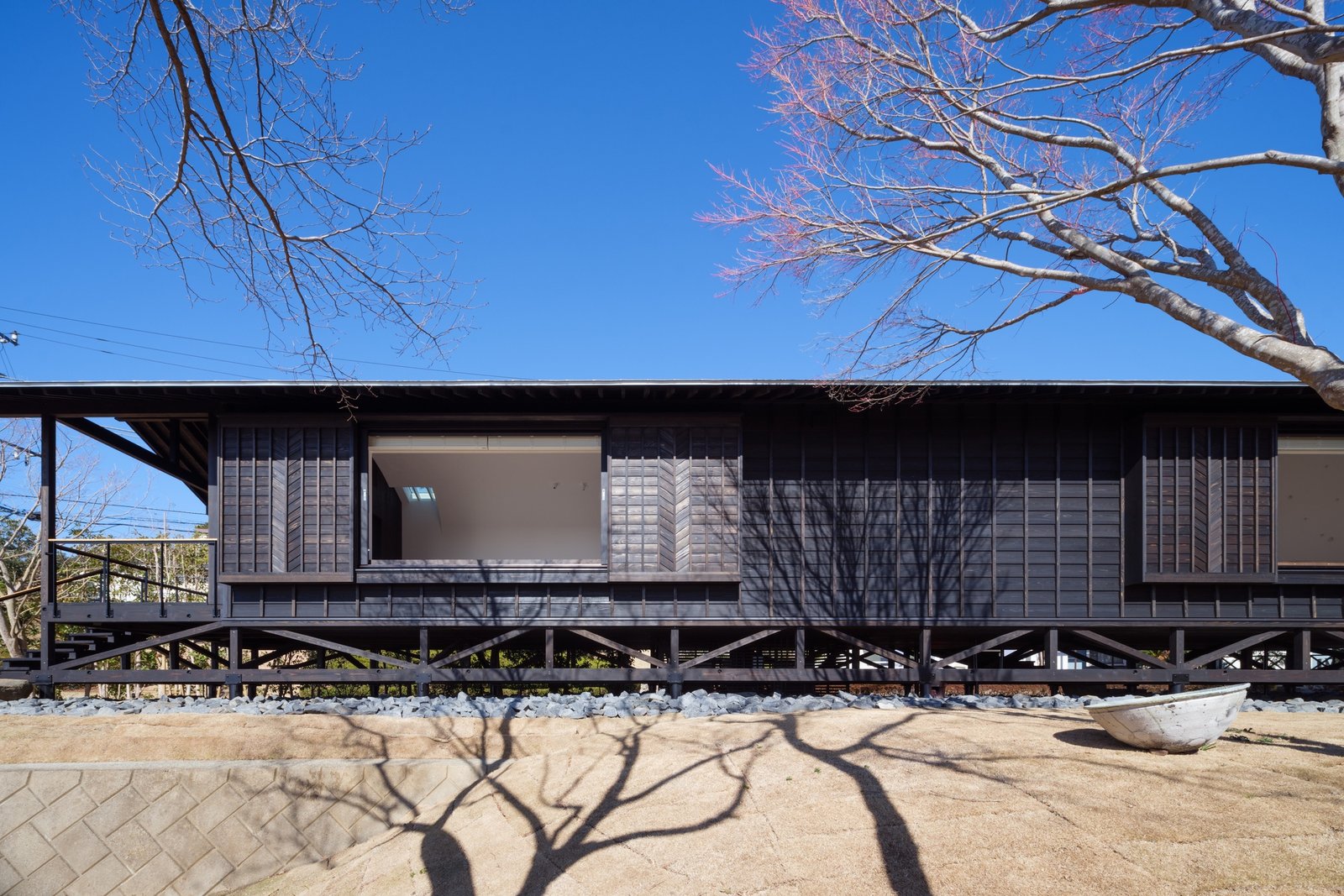
In the serene embrace of nature, where the whispers of tradition linger in the rustling leaves and the soft murmur of the earth, stands a residence that defies the conventions of modern construction. Designed by Kenichi Teramoto and the office of Teramoto, this abode is an ode to the ingenuity of vernacular architecture, a testament to the enduring spirit of building that predates the universal embrace of concrete. Here, in this tranquil village, architecture finds its roots not in the cold rigidity of concrete but in the warm embrace of materials that speak the language of the land.
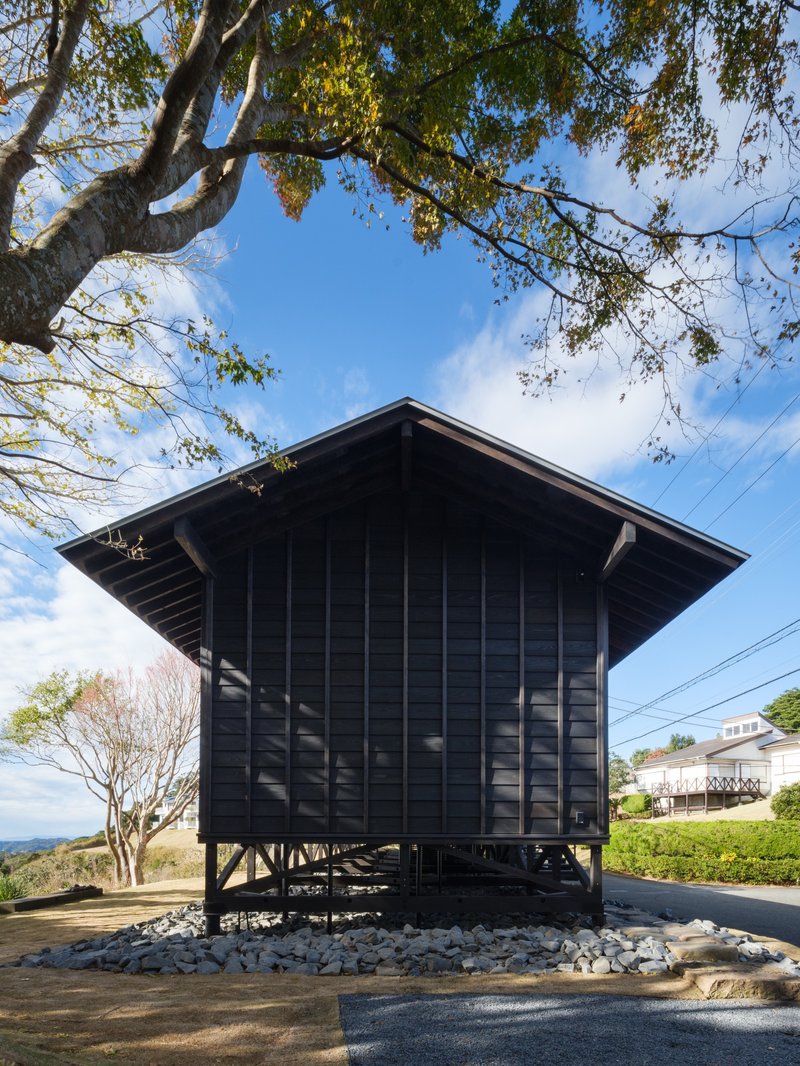
Imagine stepping into a realm where each element is a dialogue with the past, where the very walls seem to breathe with the history of the earth. The residence is sculpted entirely without concrete, a deliberate departure from the norm, inviting us to reconsider our reliance on this ubiquitous material. Instead, it draws from the rich tapestry of local resources, weaving together timber and earth in a harmonious symphony that resonates with the surroundings.
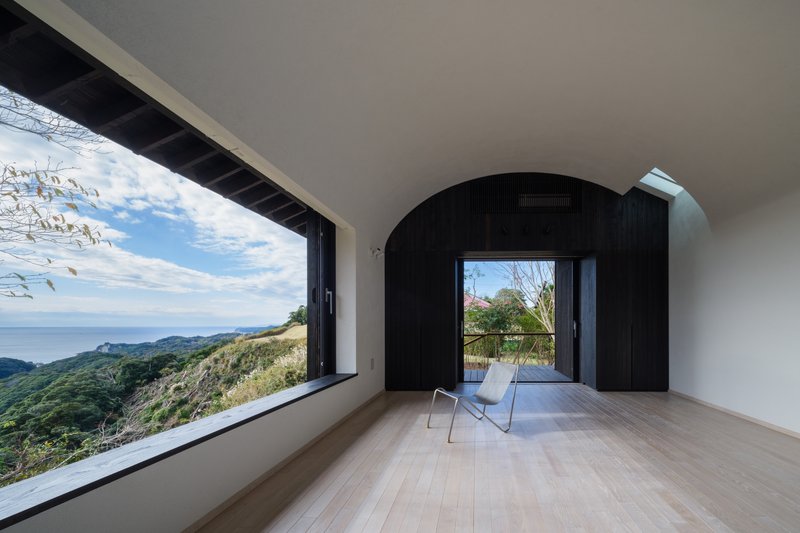
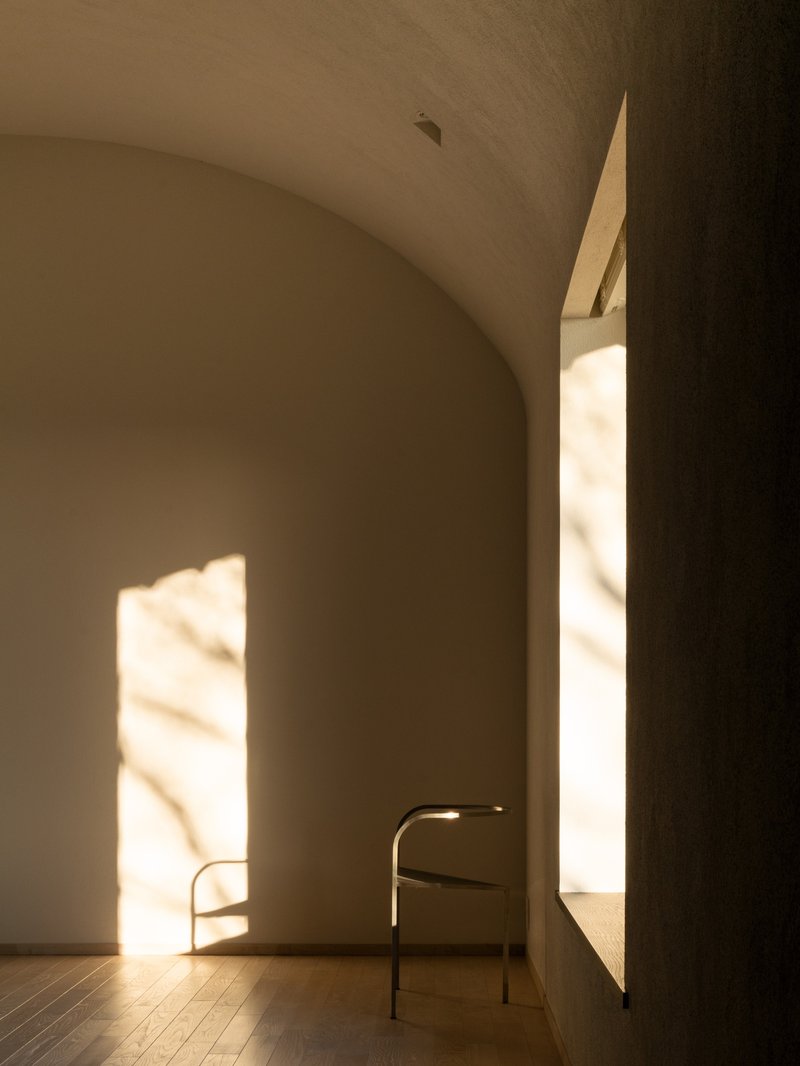
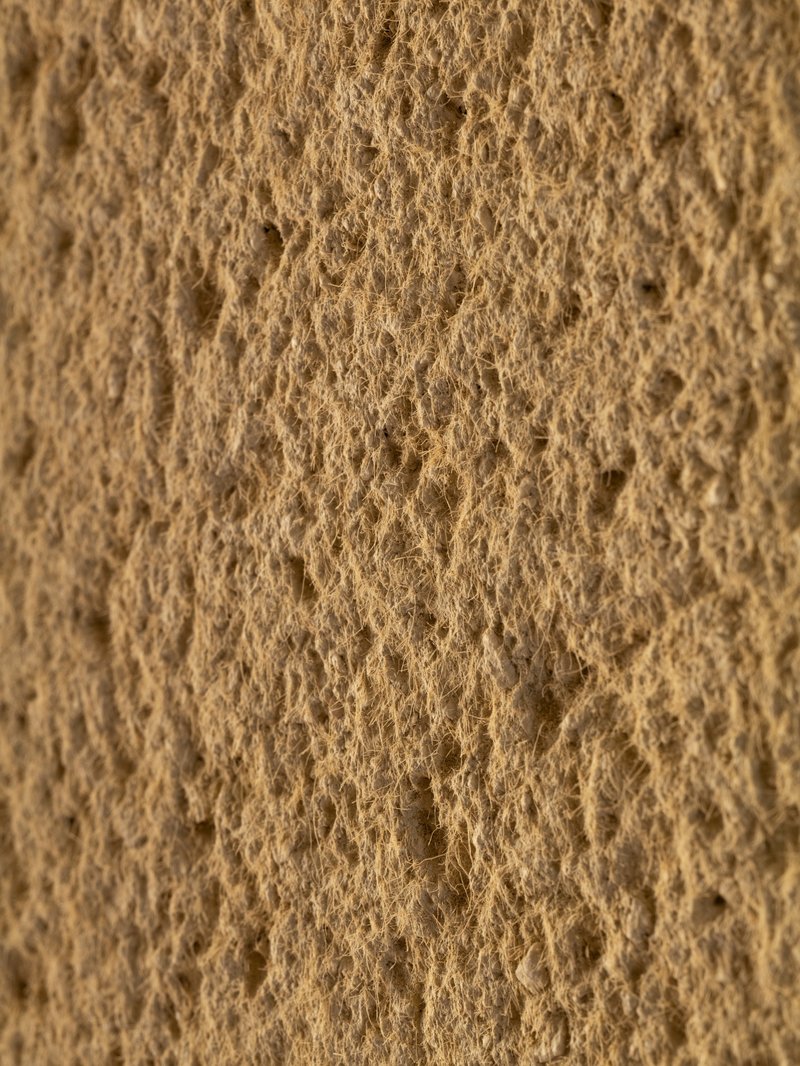
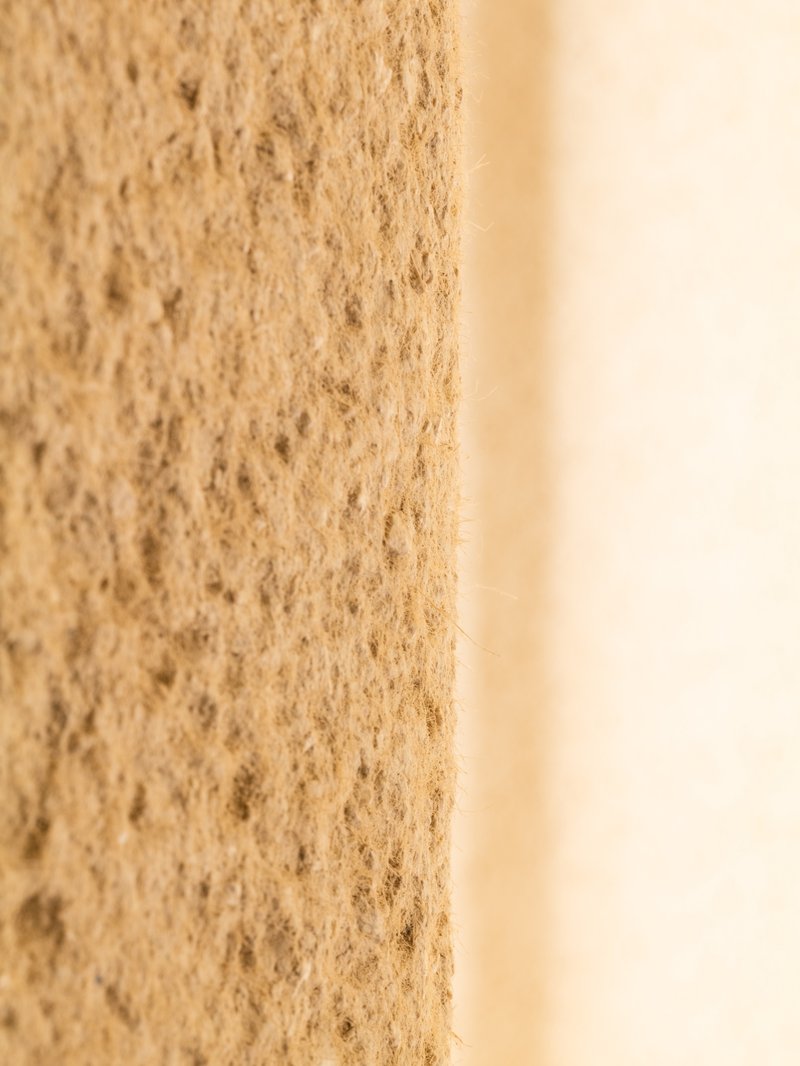
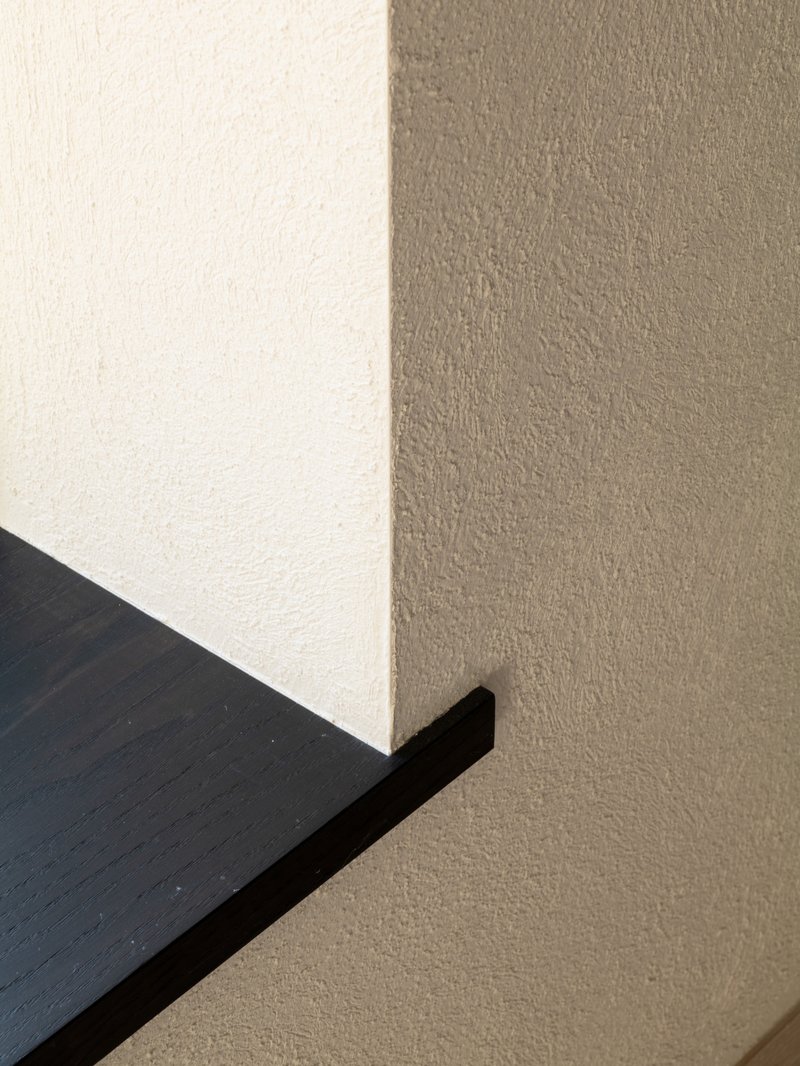
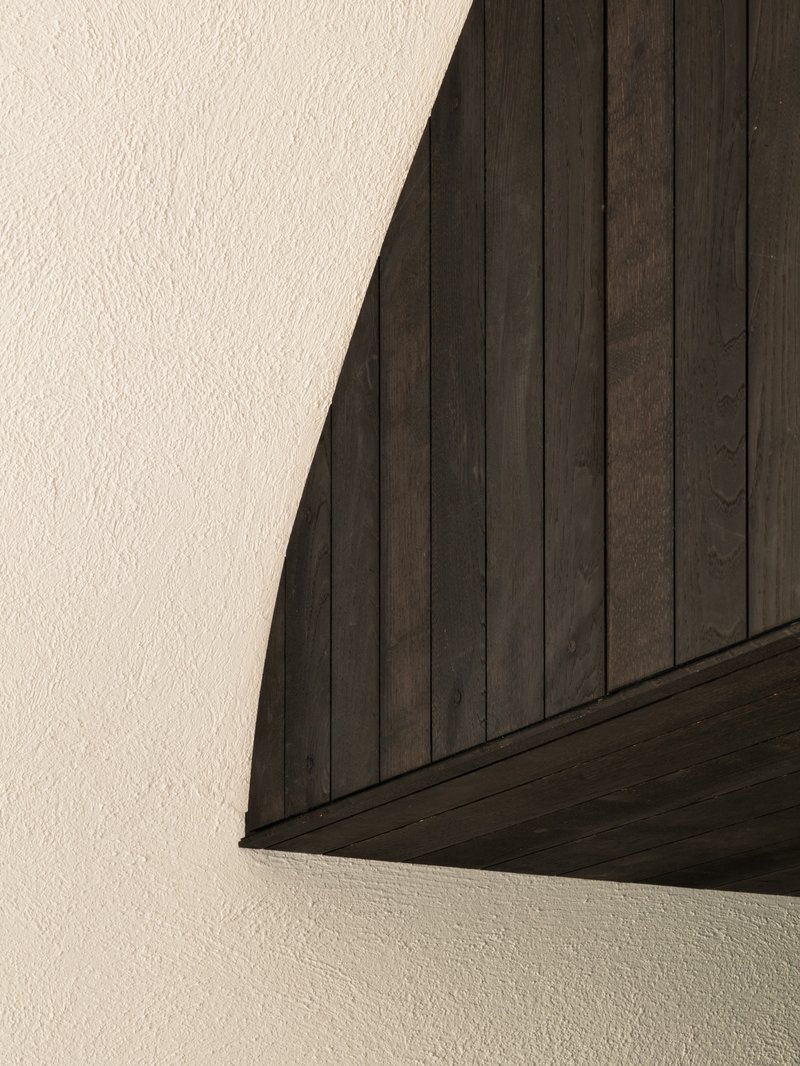
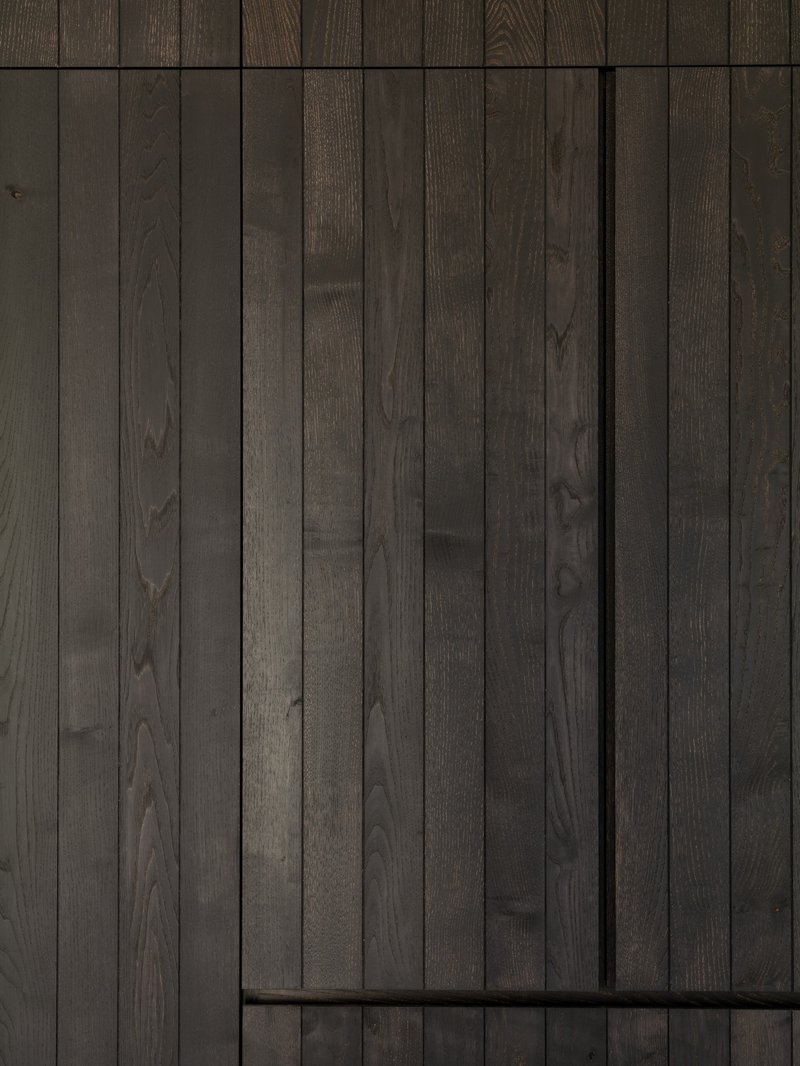
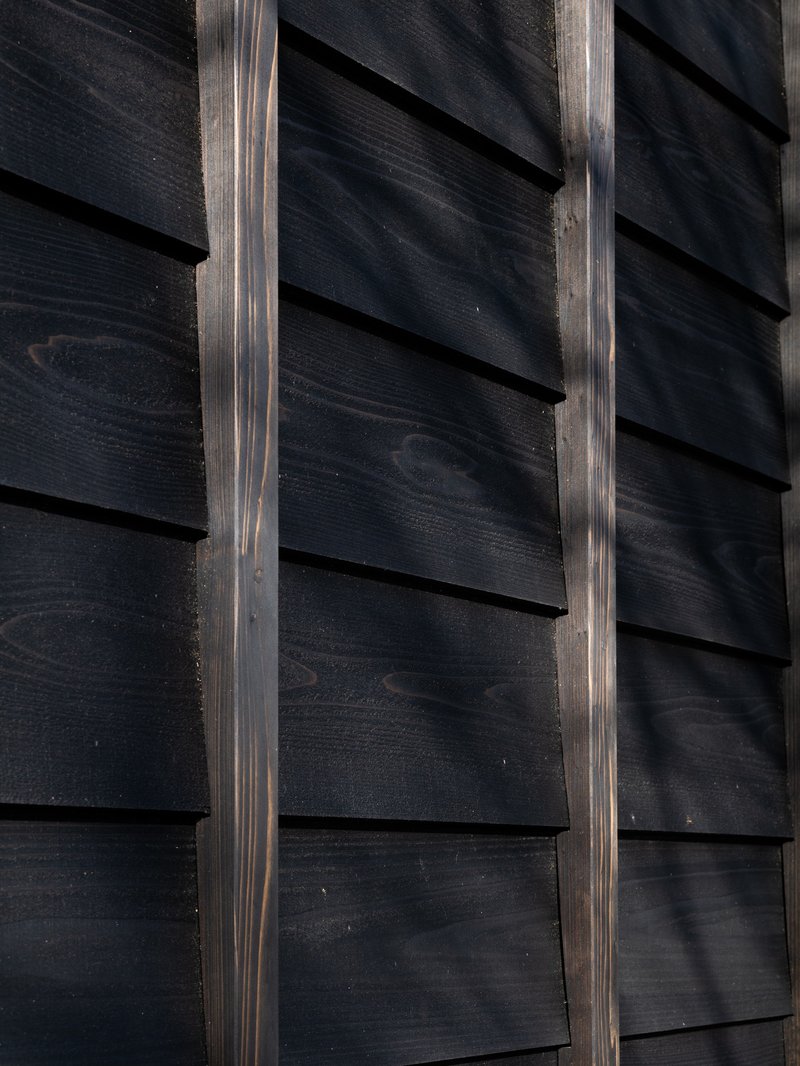
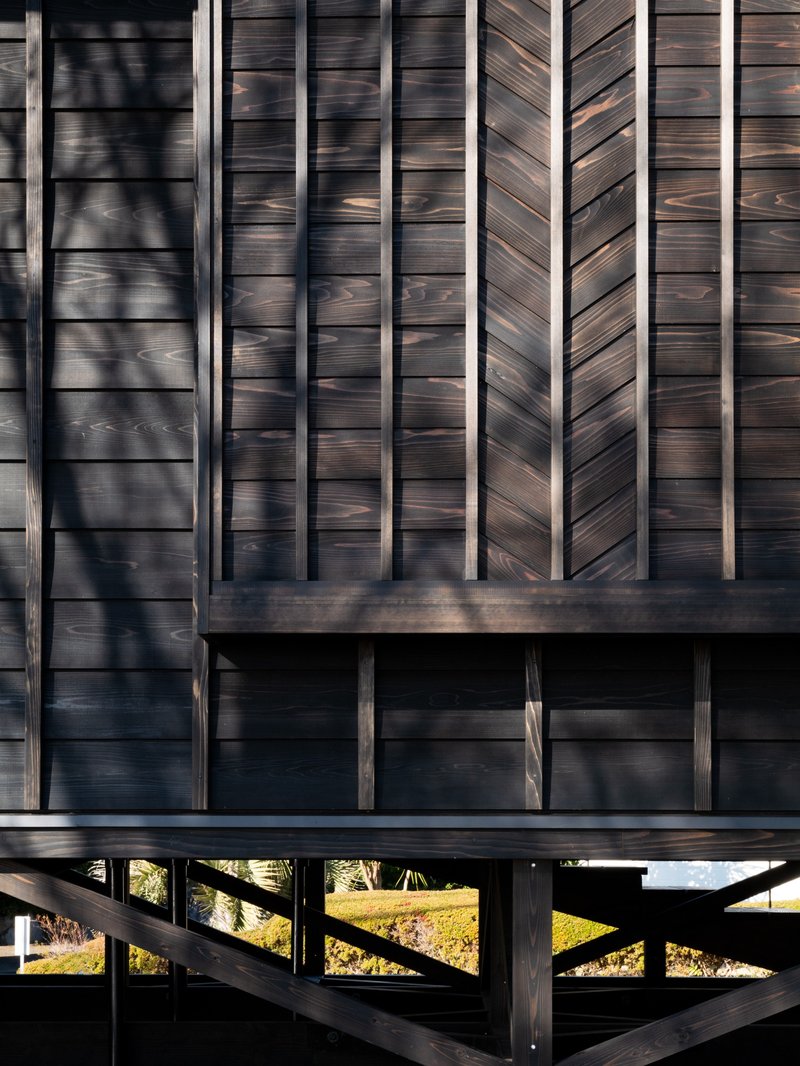
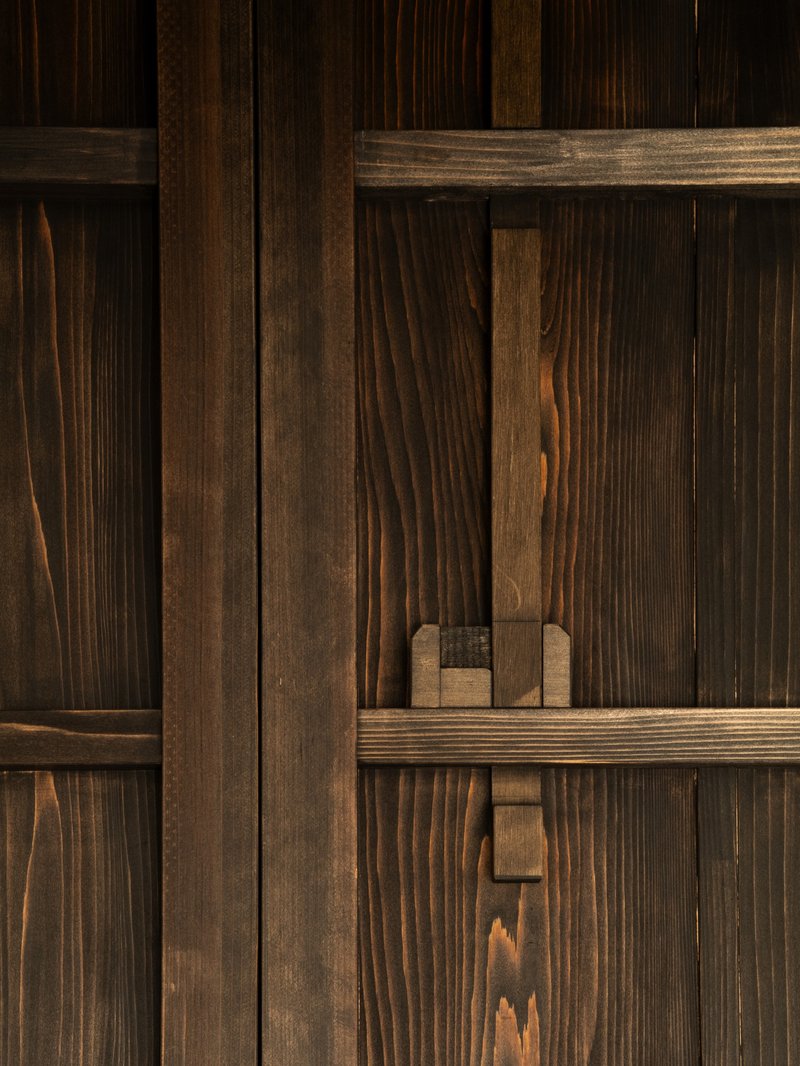
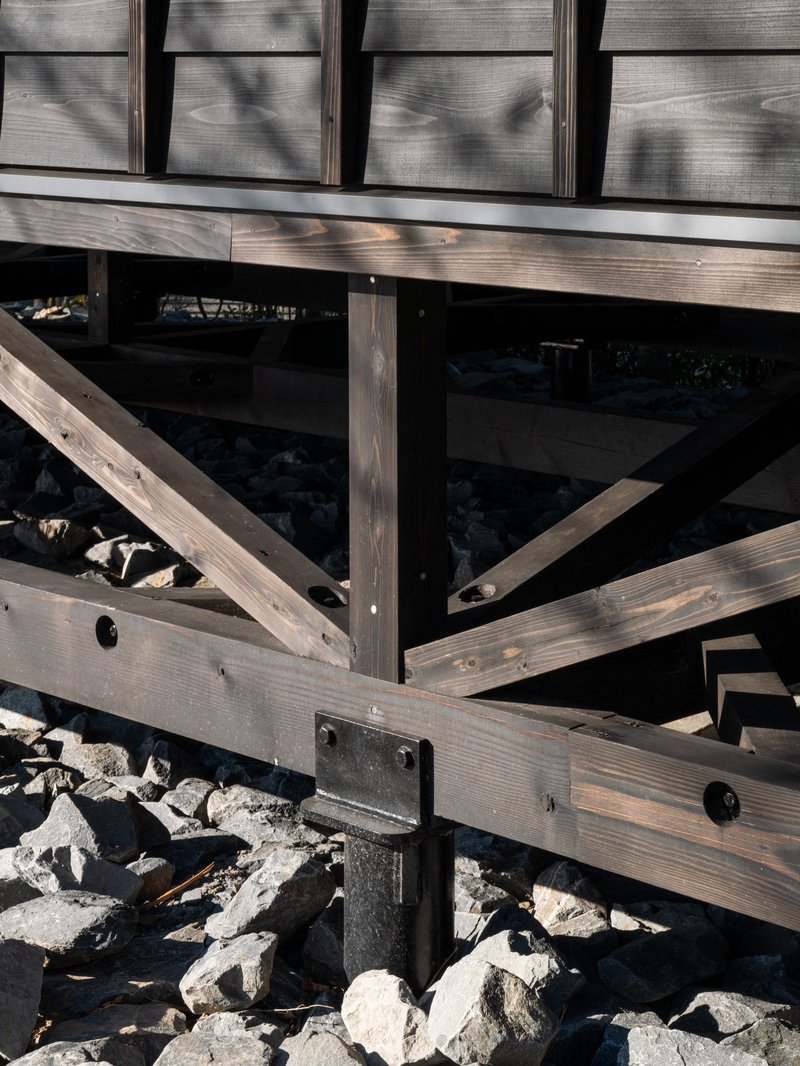
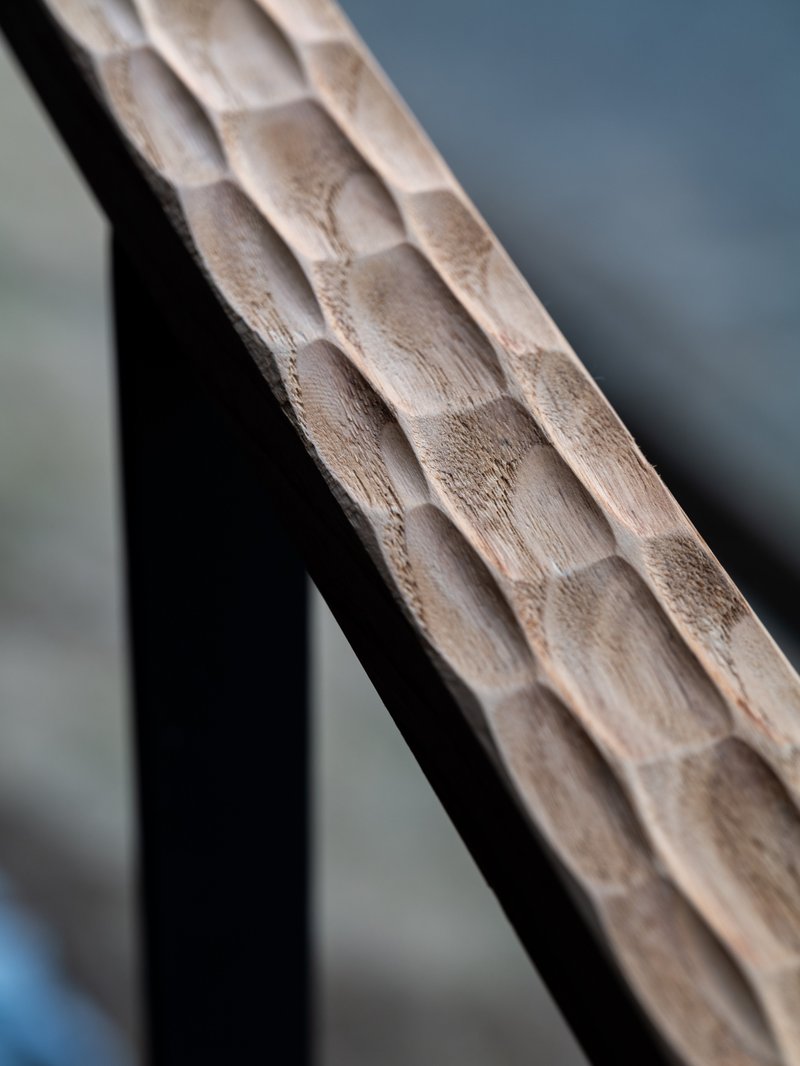
As the sun casts its golden gaze upon the structure, light dances across surfaces, revealing the intricate textures of wood and the subtle hues of clay. The play of light and shadow becomes a narrative, a poetic interplay that shifts with the passage of time, transforming each moment into a unique experience. The absence of concrete allows for a fluidity in design, where spaces unfold organically, inviting contemplation and a deep connection with the environment.
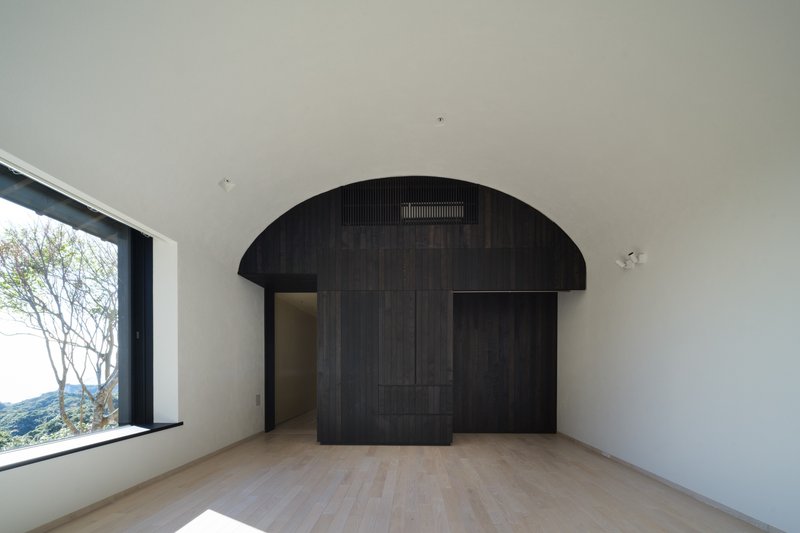
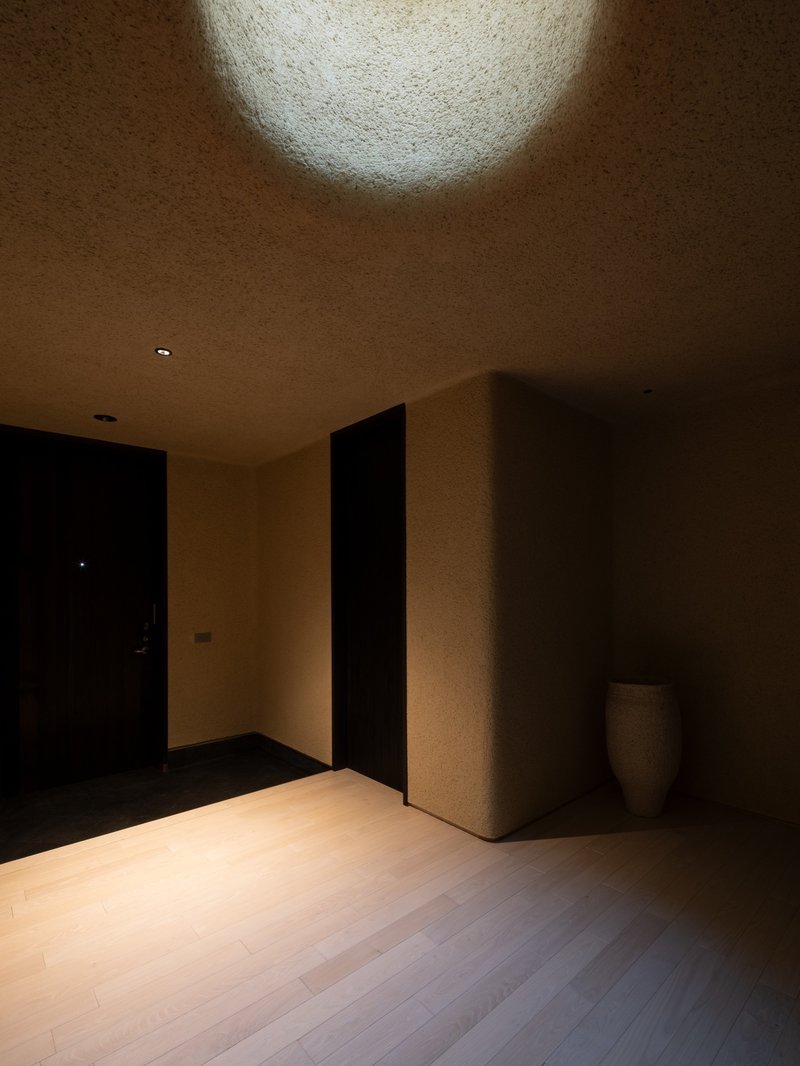
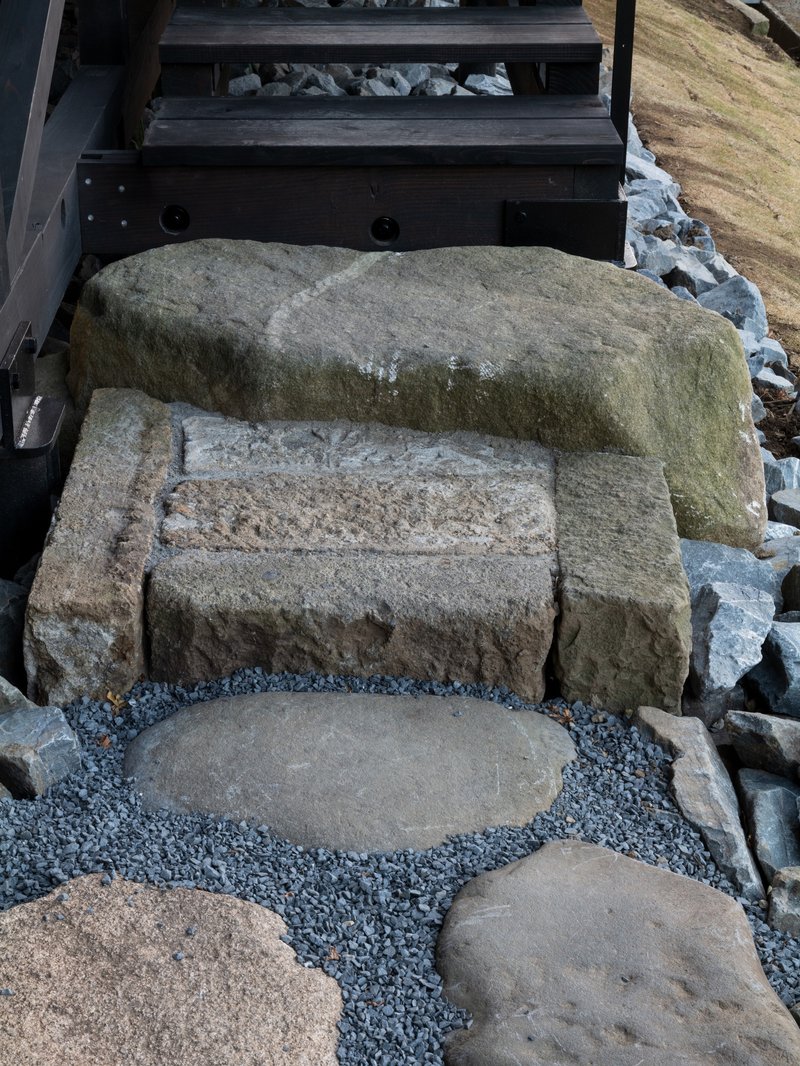
The architecture here is not merely about shelter but about creating a space that nurtures the soul. It is an exploration of materiality, where the tactile qualities of timber, the coolness of stone, and the grounding presence of earth coalesce to form a sanctuary that is both timeless and contemporary. This is a home that invites reflection, where each room is a canvas painted with the colors of nature and the wisdom of generations past.
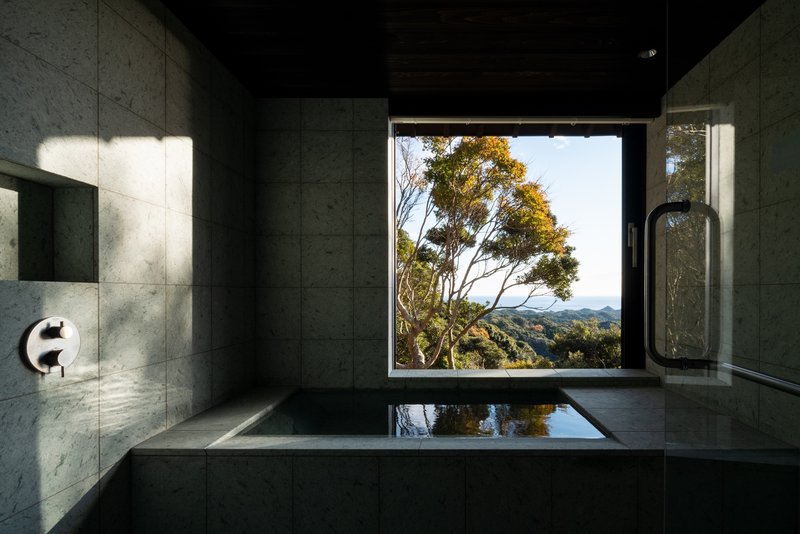
In this modern reinterpretation of vernacular architecture, there is a profound sense of continuity. It challenges the notion that concrete is the pinnacle of construction, instead celebrating the diverse methods and materials that have shaped human dwellings across centuries. The residence is a reminder that architecture, at its essence, is an art of storytelling, where every choice of material, every angle of light, and every spatial transition conveys a narrative of place and identity.
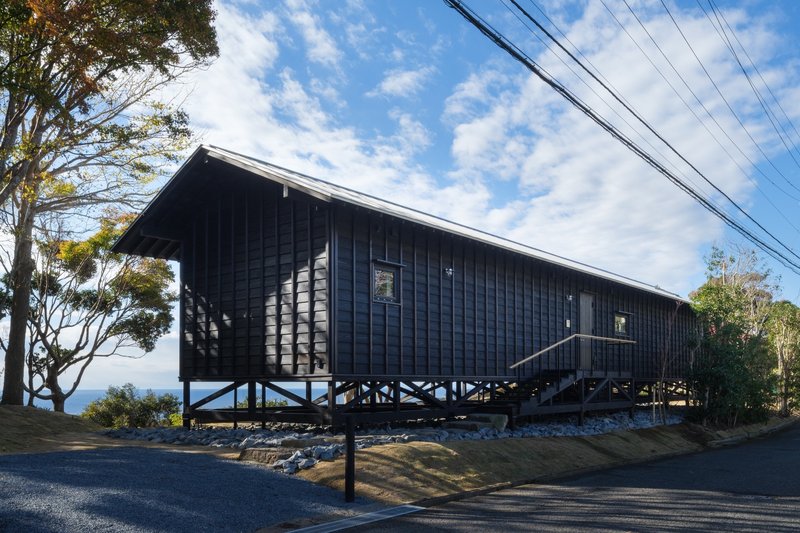
As you wander through this space, there is an inherent sense of belonging, a feeling that the building itself has emerged organically from the landscape. It is a space that breathes, that lives in harmony with its surroundings, and that invites those who enter to pause, to listen, and to become part of its story. In the absence of concrete, a new vernacular emerges, one that is as much about innovation as it is about honoring the past.
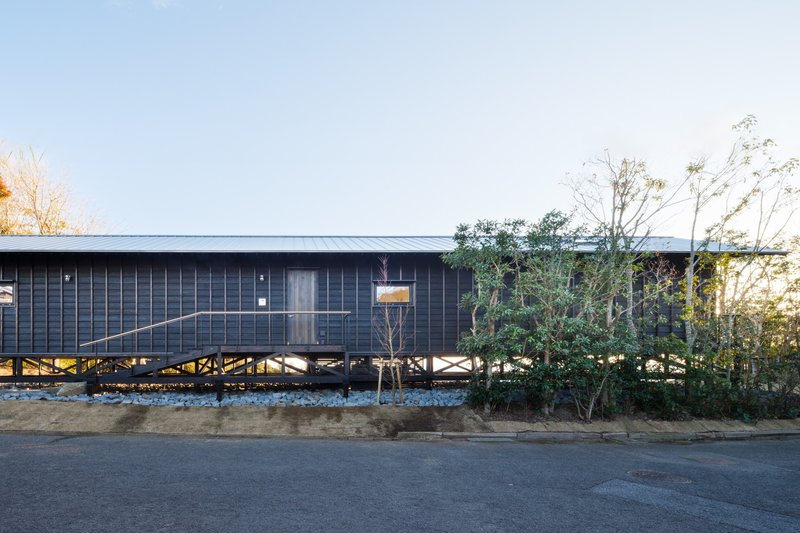
Ultimately, this residence is a meditation on the possibilities of architecture without concrete, a vision that reimagines the future by looking to the past. It is a call to embrace the beauty of impermanence, to find strength in the natural world, and to create spaces that resonate with the human spirit. Here, in this village, the architecture speaks softly yet profoundly, reminding us that true elegance lies in simplicity, in the quiet dialogue between humanity and the earth.