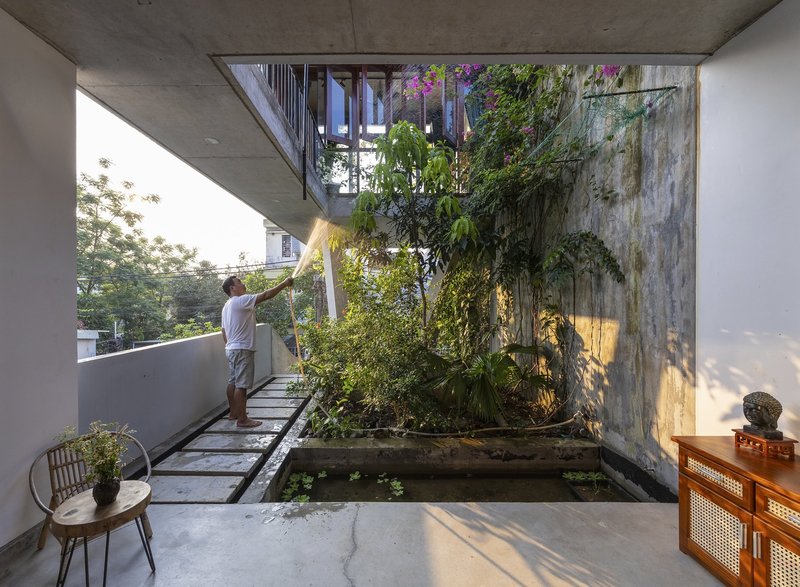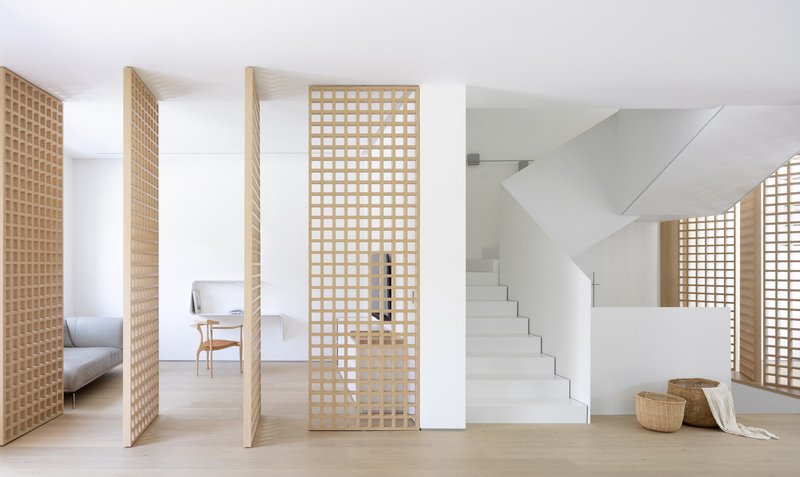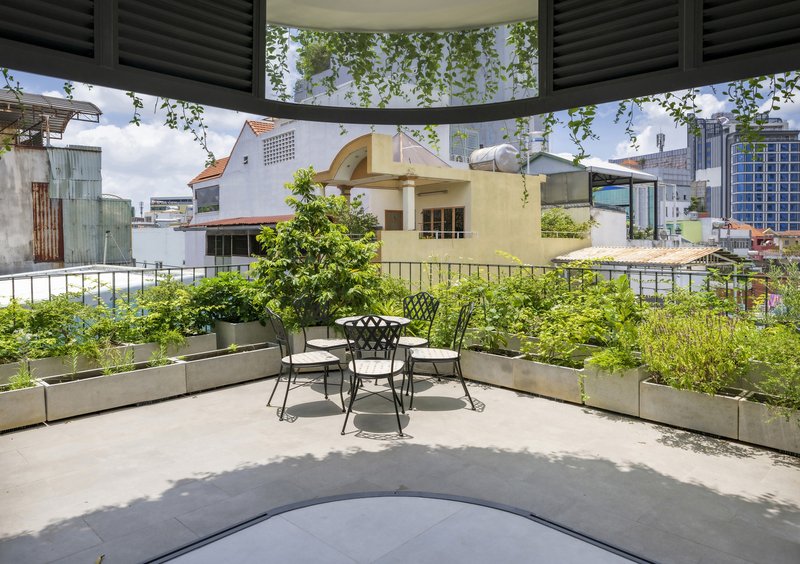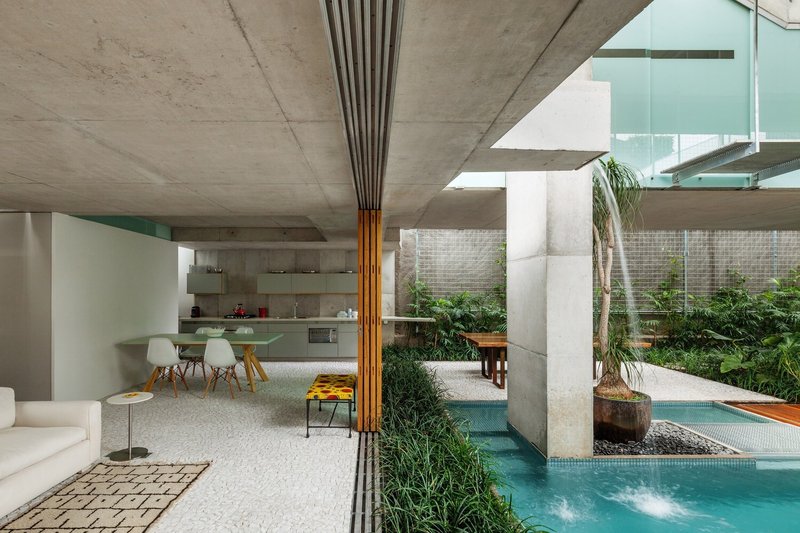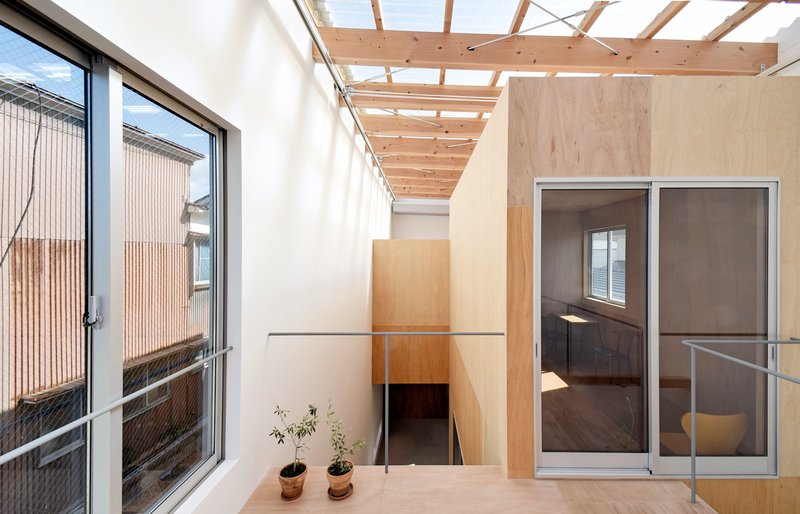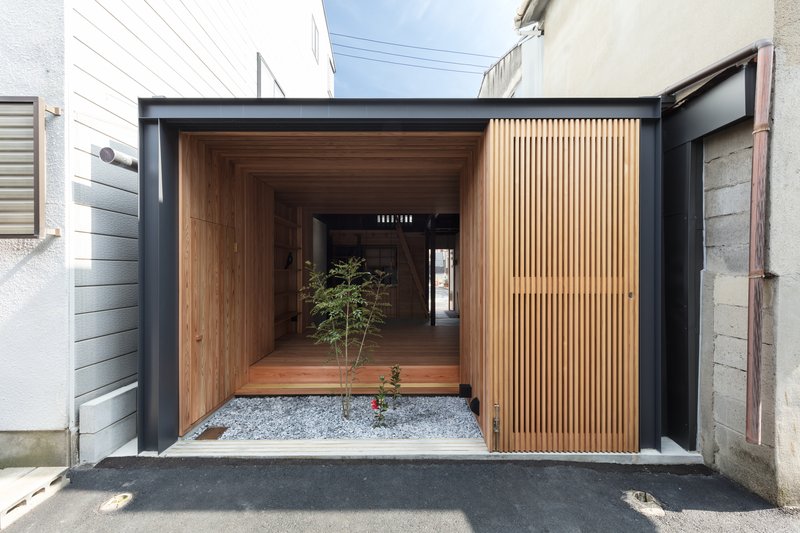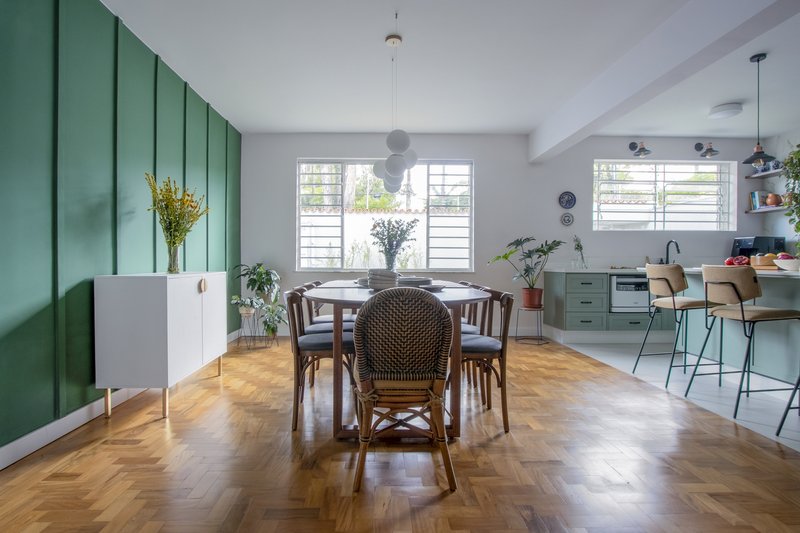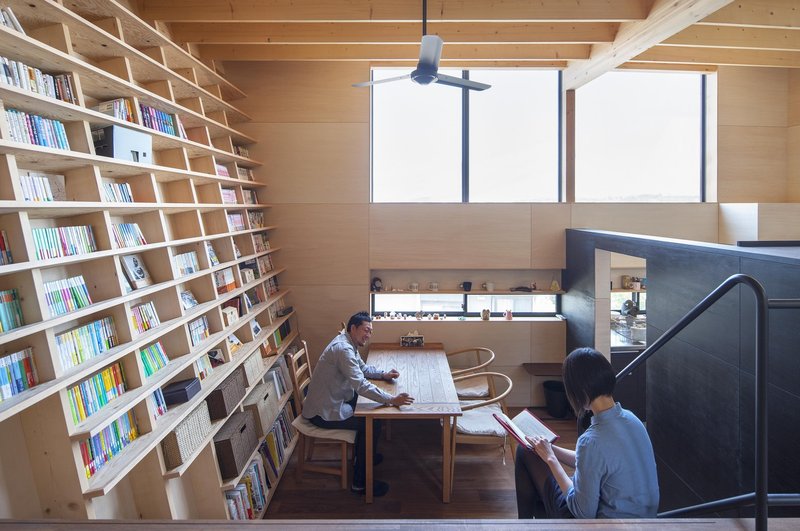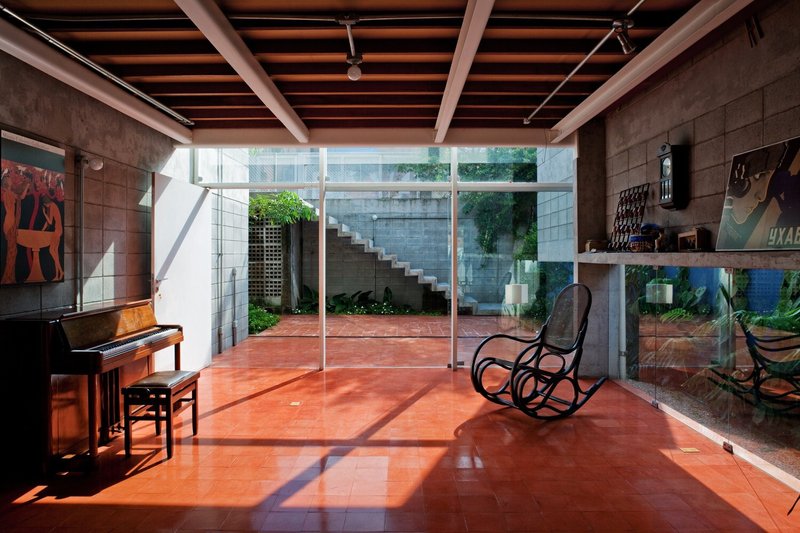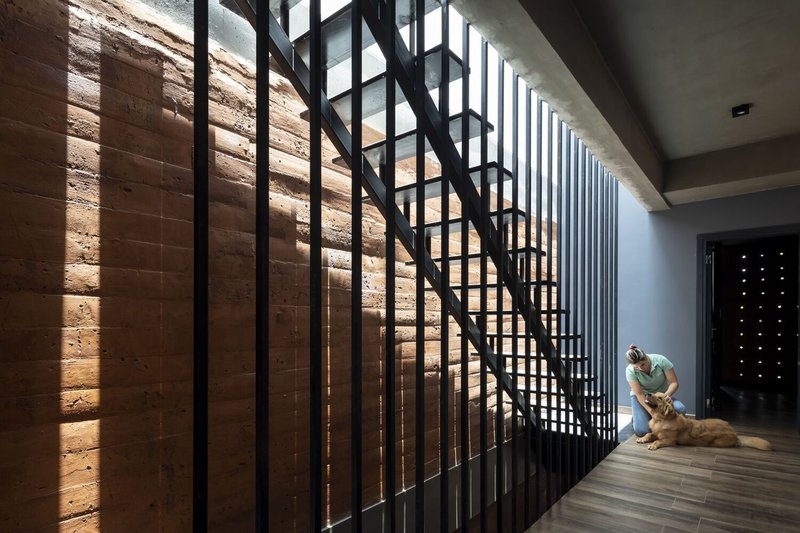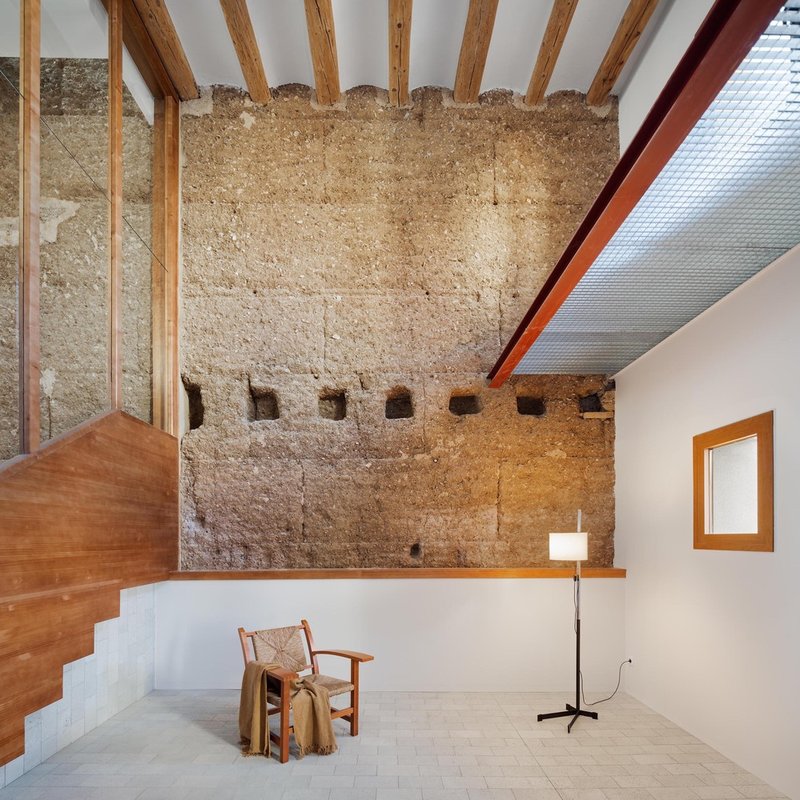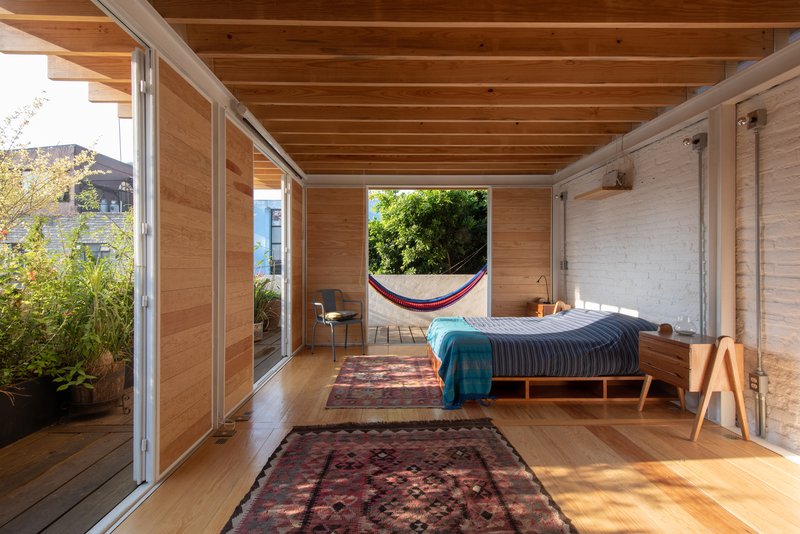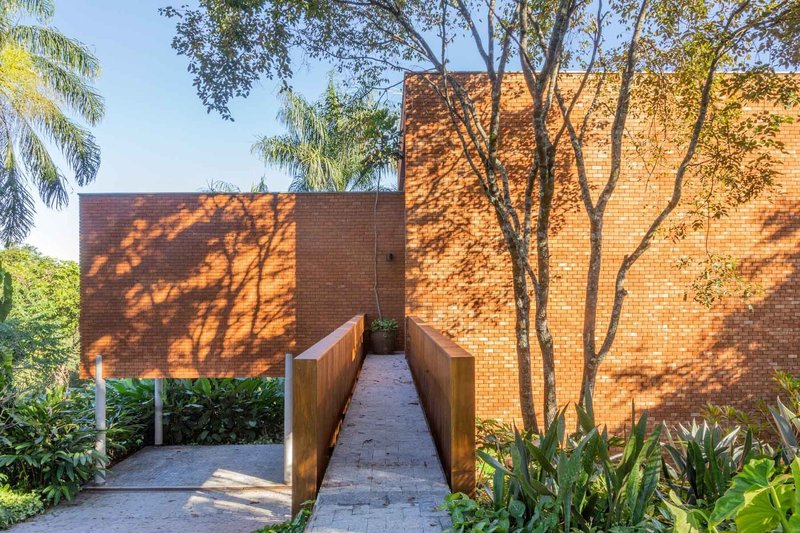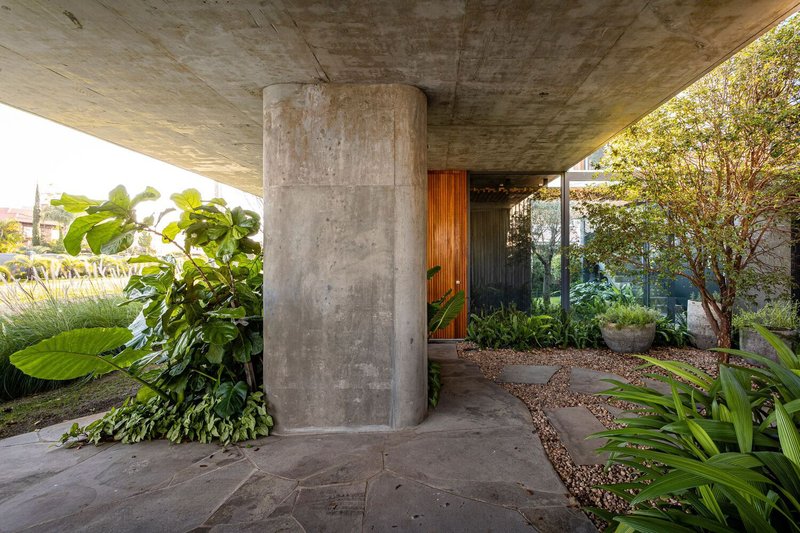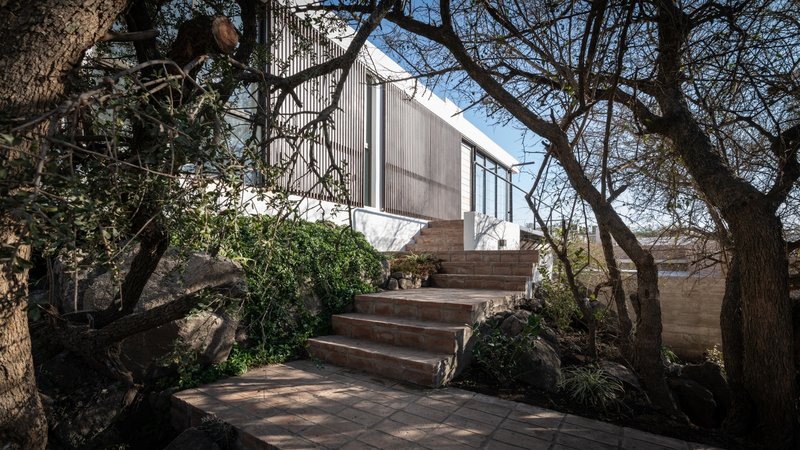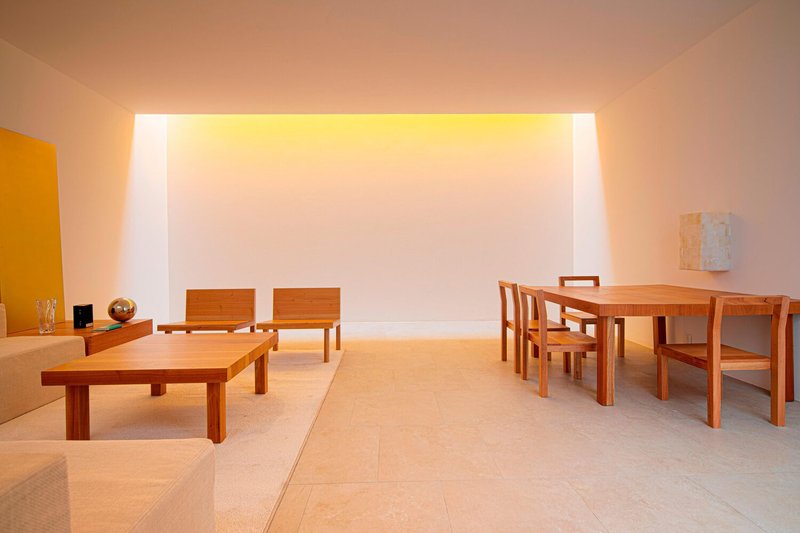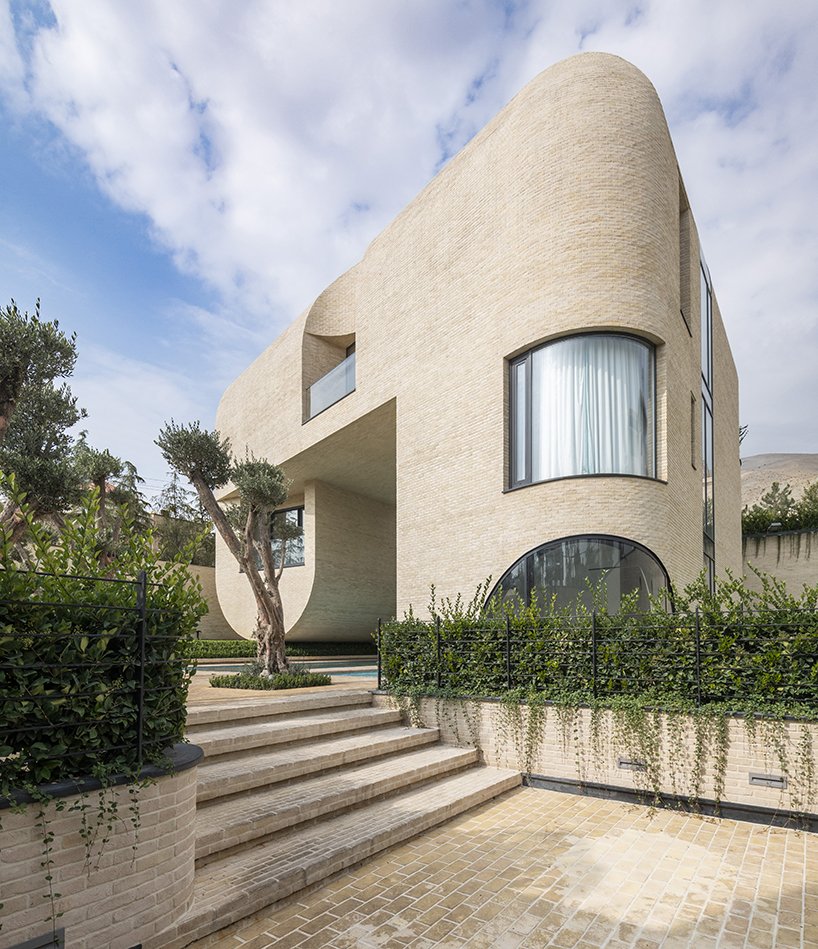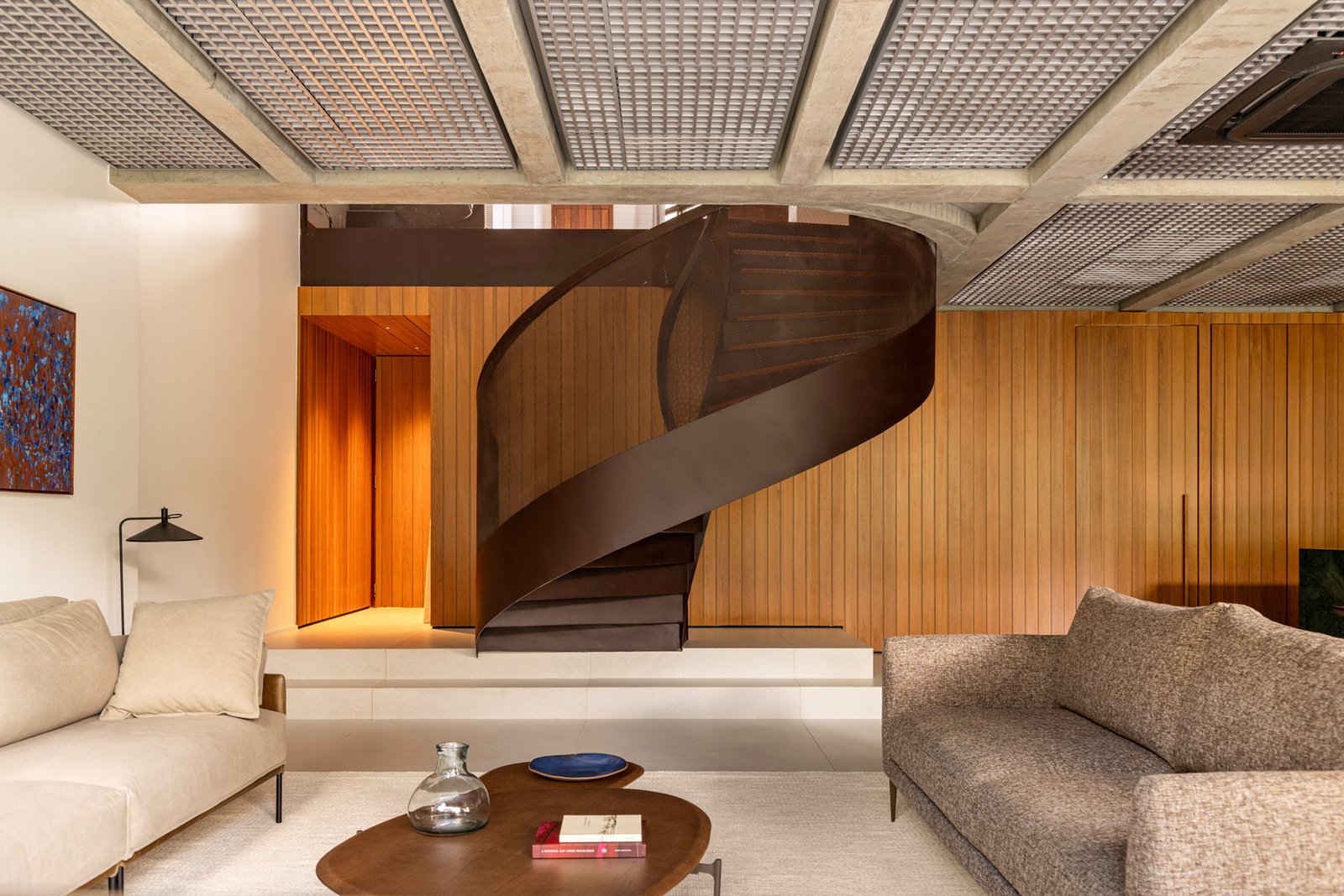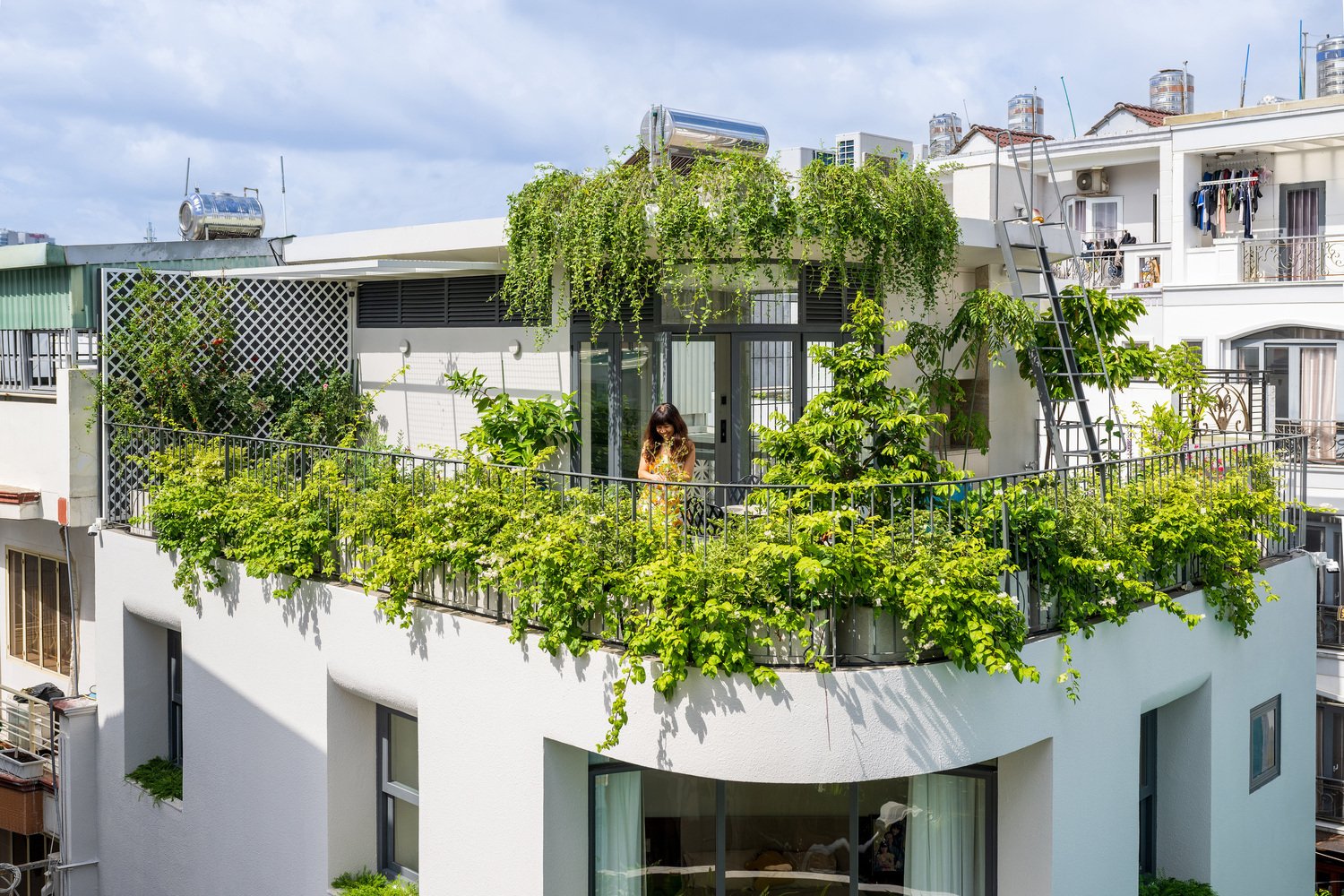
Feeling at home is more than just an expression; it is the sense of warmth and comfort that transforms a space into a true refuge. To achieve this, elements such as color, texture, lighting, and materials play a crucial role in shaping an environment that fosters relaxation and well-being. Backed by research in environmental psychology and neuroscience, the connection between physical spaces and human behavior highlights how architecture can directly influence the atmosphere, turning chaos into tranquility. Finnish architect Juhani Pallasmaa argues that a home is more than just a physical structure; it is a fluid, evolving condition shaped by memories, images, desires, and fears. Built over time through rituals and routines, a home develops as individuals and families adapt to their surroundings. In this process, the pursuit of a space that conveys warmth and tranquility becomes essential—especially when the external world suggests the opposite. With this in mind, we have selected five strategies to help create sanctuaries shielded from external chaos. These strategies work together to create serene environments that promote intimacy and comfort. Thoughtfully designed elements enhance personal connections and sensory experiences, cultivating spaces that invite tranquility. Additionally, a well-planned entryway serves as a transition from the external hustle to the peaceful retreat of home, reinforcing its role as a sanctuary within the urban landscape. 'The light from a home's window is a light that waits,' observed Bachelard. A true home has a soul—a presence that awaits its inhabitant. Lighting plays a fundamental role in shaping this atmosphere. Since tranquility is closely linked to warmth and a sense of belonging, light becomes a powerful tool in influencing emotions. Soft, warm lighting creates a cozy ambiance, while abundant natural light promotes both physical and mental well-being. Alongside lighting, colors stimulate the brain, forming a unique visual language connected to personal memories and experiences. Color combinations communicate on a deep level, directly or indirectly influencing human behavior. Beyond shaping the spatial atmosphere, colors serve as a powerful tool for evoking emotions, with neutral and soft tones like blue, green, and light gray fostering a sense of calm. One of the most well-known strategies for creating cozy spaces is incorporating natural elements and materials. This practice, known as biophilia, highlights the importance of nature in reducing stress. Depending on the available space, this can mean integrating thoughtfully designed landscaping or even small touches of greenery. Additionally, using natural materials for structures or finishes—such as wood—adds warmth to the home environment, reinforcing a connection to nature. According to Schmid, 'A house welcomes; it meets basic needs for security and belonging [...] as if offering endless comfort to humans, while the outside world often does the opposite.' In this contrast between the interior and the exterior, architecture has the power to create a shelter, a space that not only houses but also nurtures.